
Plants
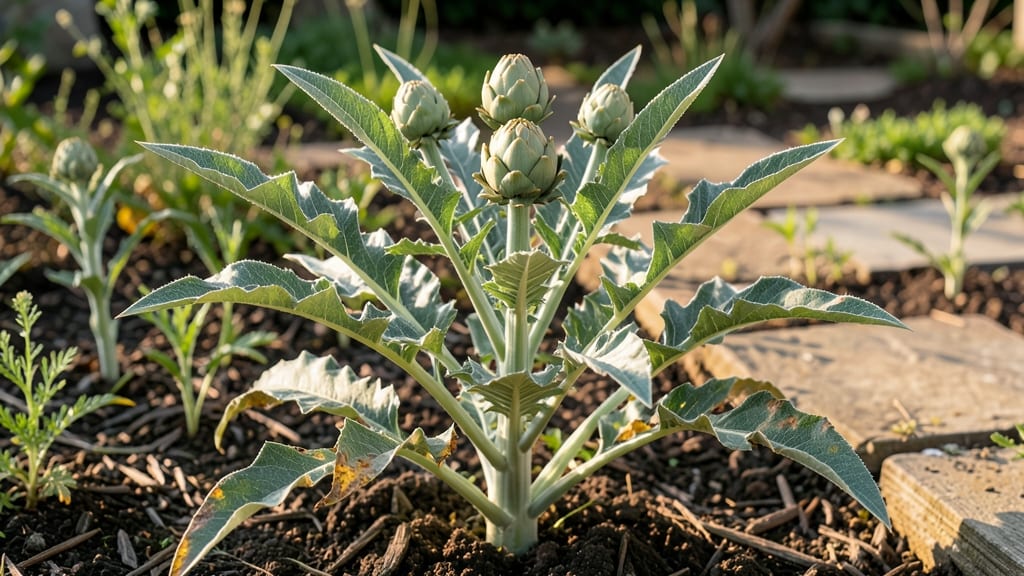
If you're wondering how tall can an artichoke plant grow, the answer might surprise you—these Mediterranean beauties can stretch from compact 3-foot dwarfs to towering 7-foot giants, depending on the variety.
Whether you're a city gardener with limited space or a rural grower with acres to spare, knowing these height ranges helps you plan your garden layout and maximize your harvest.
Artichokes like globe varieties often reach their full height by the second year, while French types tend to stay shorter but produce more buds.
The key to controlling their size lies in proper pruning, sunlight exposure, and soil quality—all factors that directly impact how much vertical space your 🌿 artichoke will claim.
If you're planting in USDA Zone 6a, timing matters too. Starting seeds in March or April gives them enough warmth to establish strong roots before summer heat sets in. With the right care, you can coax even the tallest varieties to thrive without taking over your garden.
Ready to grow your own? I’ll break down the exact height ranges by variety, plus tips to manage growth—whether you want to keep them compact or let them reach their full potential. Let’s get started!


Artichoke plant height by variety: exact growth ranges and space requirements
Artichoke plants are known for their impressive height, but the exact size depends heavily on the variety you choose. While some varieties can stretch over 7 feet tall, others stay compact enough for containers or small gardens.
Understanding these differences helps you plan your garden layout and choose the right plants for your space.
I’ve grown several varieties, and the differences in height are striking. For example, globe artichokes like 'Green Globe' often reach 5-6 feet tall, while French varieties like 'Violetto' can grow even taller, sometimes exceeding 7 feet in ideal conditions.
Meanwhile, smaller varieties like 'Baby Blue' or 'Opera' stay around 3-4 feet tall, making them perfect for urban gardeners or balcony planters.
Here’s the key takeaway: Artichoke height varies dramatically based on genetics, growing conditions, and care. If you’re working with limited space, prioritize compact varieties or use pruning and trellising to manage growth. For larger gardens, taller varieties can create a stunning focal point while producing abundant harvests.
Below is a detailed comparison of popular artichoke varieties, their mature heights, and space requirements to help you make an informed choice.
| Variety | Type | Mature Height | Space Needs | Best For |
|---|---|---|---|---|
| Green Globe | Globe | 5-6 ft | 3-4 ft spacing | Large gardens, full sun |
| Violetto | French | 6-7 ft | 4-5 ft spacing | Trellising, tall beds |
| Baby Blue | Globe | 3-4 ft | 2-3 ft spacing | Containers, small gardens |
| Opera | French | 4-5 ft | 3 ft spacing | Balconies, raised beds |
| Imperial Star | Globe | 5-6 ft | 3-4 ft spacing | Large harvests, full sun |
| Romanesco | Romanesco | 4-5 ft | 3 ft spacing | Unique buds, trellising |
When planning your garden, consider not just the height of the plant but also its spreading habit. Some varieties, like 'Green Globe,' develop wide canopies that need ample space, while others like 'Baby Blue' stay more upright and compact.
For small spaces, I recommend container growing with dwarf varieties or using vertical trellises to guide taller plants upward and save ground space.
Another factor to consider is the growing season. Artichokes thrive in warm climates and need a long, frost-free period to mature. In cooler regions, opt for earlier-maturing varieties like 'Baby Blue' or 'Opera' to ensure they reach their full height and produce harvestable buds before the first frost.
If you’re new to growing artichokes, start with a medium-height variety like 'Imperial Star' or 'Opera'. These offer a good balance between manageable size and productive yields. Once you’re comfortable, experiment with taller varieties like 'Violetto' to see how they perform in your specific climate and soil conditions.
Pro tip: Always check the seed packet or plant tag for exact height expectations, as growing conditions can influence final size. Rich, well-draining soil and consistent moisture will help your artichokes reach their potential height without compromising bud quality.
How to control artichoke plant height: pruning, staking, and variety selection tips
If you’re growing artichoke plants and want to manage their height, you’ve got options—whether you’re dealing with a 7-foot globe variety or a 4-foot French type. The right techniques can keep your plants at your preferred height while maximizing bud production.
I’ll walk you through the best ways to control growth, from pruning to trellising, so you can tailor your approach to your garden’s needs.
First, let’s talk about pruning. Regular pruning not only controls height but also encourages more buds to form. For tall varieties like Green Globe, pinch off the top growth when the plant reaches 3 feet to redirect energy toward side shoots.
This method works best in early summer when the plant is actively growing. Just be sure to use clean, sharp pruners to avoid damaging the stems.
For French varieties, which naturally stay shorter, pruning is less critical but can still help. Focus on removing any yellow or diseased leaves to keep the plant healthy and encourage new growth. If you notice leggy stems, a light trim can help thicken the plant and improve bud production.
🌿
Pinch back Green Globe at 3 feet to encourage bushier growth and more buds.
Tall varieties benefit from stakes or trellises to prevent flopping and improve airflow.
Opt for French varieties like Imperial Star if space is limited—they max out at 4 feet.
Apply 2-3 inches of mulch to retain moisture and slow vertical growth.
If you’re growing tall artichoke varieties, consider using trellises or stakes to support their height. This not only keeps them upright but also improves airflow, reducing the risk of fungal diseases. For varieties like Green Globe, a sturdy bamboo stake or a simple wire trellis can make a big difference. Just
For those with limited space, choosing the right variety is key. French types like Imperial Star or Violetto stay shorter and are perfect for containers or small gardens. These varieties typically reach 3-4 feet, making them ideal for urban growers or balcony gardens. Pair them with dwarf herbs like thyme or oregano to maximize your space efficiently.
Finally, don’t overlook the power of mulching. A thick layer of organic mulch—like straw or shredded leaves—helps retain moisture and regulates soil temperature, which can slow down rapid vertical growth. It also suppresses weeds, giving your artichokes less competition for nutrients. Just
With these tips, you can keep your artichoke plants at the perfect height—whether you want them towering over your garden or neatly tucked into a container. Happy growing! 🌱