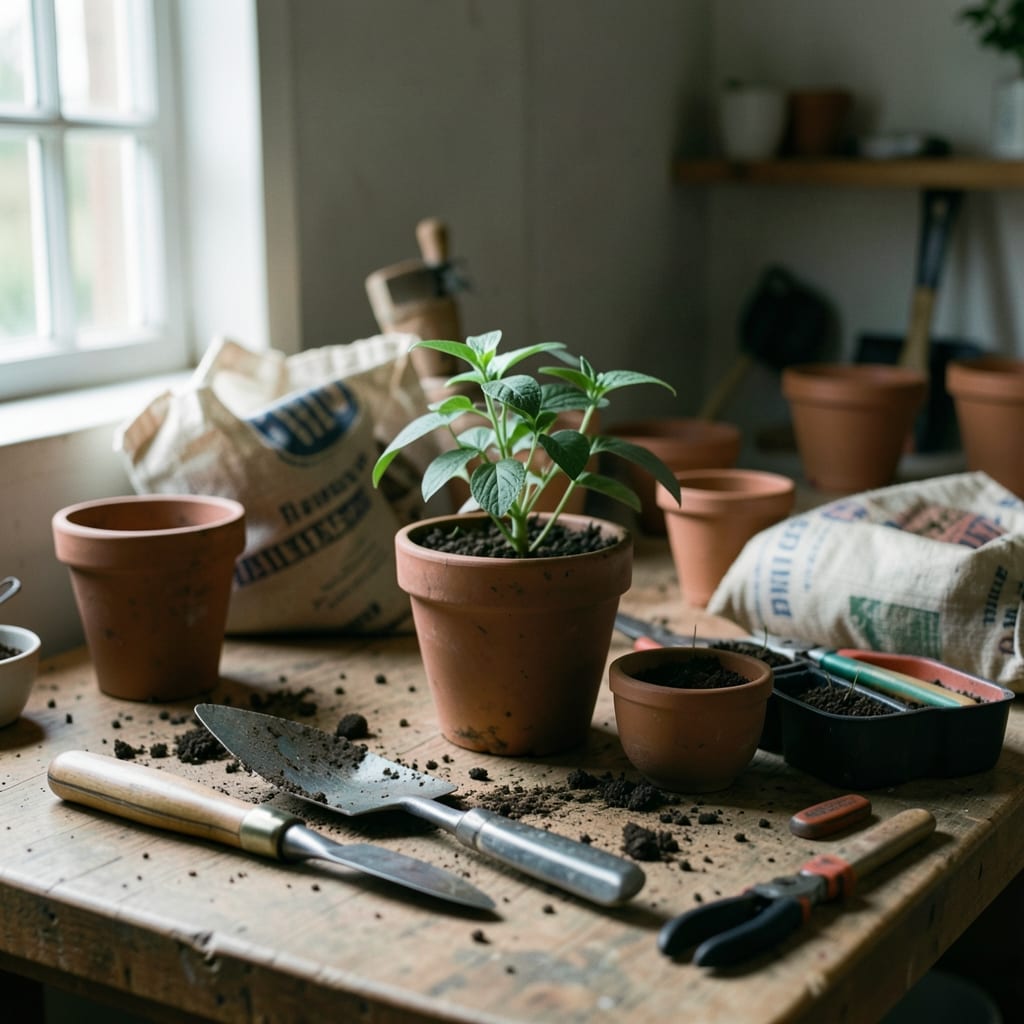
Why I started Plant At Home
I was twenty-seven, digging up a patch of my grandmother’s garden where the tomatoes had died the year before—again. The soil was hard as stone, and no matter how much compost I mixed in, the new seedlings just wilted.
My grandmother, who’d been growing food here since before I was born, shook her head and said, *‘You’re trying to force it, boy.
Plants don’t like being told what to do.’* That’s when I realized I’d spent years reading books and watching videos about gardening, but none of them talked about the *real* problems: the soil that never warms, the pests that move in overnight, the way a seedling can look perfect one day and rot the next.
So I started writing down what actually worked in *my* yard—not the theory, but the messy, unpredictable truth.
This site is for anyone who’s ever stared at a sad little sprout and wondered if they’d ever get it right. No fluff, no ‘best practices’ that don’t apply to your climate or your soil.
Just the things that matter: what to plant when, how to fix it when it goes wrong, and why some plants just refuse to play nice. If you’re here, you’re already holding a trowel. Let’s get your hands dirty.
Meet the founder

My first gardening lesson came from my grandmother’s hands, not a book. She’d press a seedling into the dirt with her thumb, muttering about ‘stubborn earth,’ and I’d watch the way her fingers remembered the weight of soil that was too dry or too heavy. She didn’t measure; she *felt*.
That’s how I still garden—by touch, by guesswork, and by the way a plant leans toward the light or wilts when it’s thirsty. She also taught me the only rule that matters: *‘If it’s not growing, you’re doing something wrong—or the plant is lying to you.’*
The only tool I’ve ever owned that still works is a rusted trowel I stole from her shed when I was twelve. The handle’s splintered, the blade’s bent from digging up too many dandelions, and I won’t trade it for anything.
It’s the one that broke when I tried to pry up a blackberry bramble and sent me sprawling into a patch of mint. Now it lives in a jar of linseed oil on my windowsill, beside a pile of seeds I’ve saved from plants that outsmarted me.
The year I killed my first tomato plants changed everything. I’d followed a chart that said ‘plant after the last frost,’ but my soil stayed cold for weeks, and by the time it warmed, the seedlings were leggy and weak.
I replanted them anyway, and they lasted exactly three days before collapsing. That’s when I stopped trusting timelines and started watching the soil. Now I plant based on when the earth smells like rain, not a calendar.
I talk to my plants. Not in a ‘hear my voice’ way—more like a running commentary on their life choices. *‘You again? Really?’* when the mint spreads, or *‘I fed you. Why are you yellow?’* when the basil turns sad. My neighbors think I’m eccentric.
I think it keeps the squirrels honest.
‘A garden is just a conversation with the earth. Half the time, you’re the one doing the listening.’
Gordon Faulkner (who should’ve known better than to argue with mint)
Meet the mascot

The first sketch of what would become our little gardener started on a napkin at a café in Portland, where I’d gone to complain about the overpriced latte.
I drew a seedling with a face—just a dot for an eye and a lopsided grin—because I was annoyed that the barista hadn’t noticed my compost-stained apron. The scribble looked more like a confused worm than a plant, so I tried again, adding a trowel and a dirt-smudged cheek.
That’s when it clicked: not a perfect gardener, but someone who’d just been digging in the rain.
The proper drawing came later, on yellow legal pads in my kitchen.
I traced the napkin sketch onto graph paper, then spent an afternoon erasing everything that didn’t *need* to be there—the overcomplicated leaves, the trowel that looked like a shovel, the second eye that made it look like a frog.
The final version had to fit on a browser tab, so the trowel became a stick, the grin got wider, and the dirt turned into a single smudge under one foot. I named it *Dirt*, because that’s what always wins.
What had to go wasn’t just details—it was the idea that gardening is neat. Dirt’s clothes are permanently grass-stained, its hair is a leaf, and its posture says *‘I just pulled this weed out with my teeth.’* That’s the point. Gardening isn’t about looking like you know what you’re doing.
It’s about showing up, getting your hands dirty, and hoping for the best.
What I promise you
This site isn’t about growing perfect plants. It’s about growing *anything* in the conditions you’ve got, with the tools you’ve got, and the patience you’ve got left after a long day. Here’s what you can count on:
What you can hold me to
- If I say ‘plant in spring,’ I mean *your* spring—not the one in a catalog that ships seeds to people who live in Florida.
- Every ‘fix this now’ tip actually works. I’ve tried them all on plants that were already half-dead.
- The failures are here too. You’ll see the ones that died, the pests that won, and the lessons I learned from both.
- No ‘wait until the soil reaches 68°F.’ Just watch for the worms, the smell of rain, and the way your thumb sinks into the dirt.
How I create a guide
A guide starts with a plant that’s already misbehaving—either because I screwed up or because it’s just a jerk (looking at you, mint). I don’t begin with a blank page or a perfect bed.
I start with the dirt under my nails, the way the leaves feel, and the questions I wish I’d known the answer to when I was standing there, confused. The first draft is always a rant: *‘Why does this keep happening?!’* The second draft is what actually fixed it.
The soil test
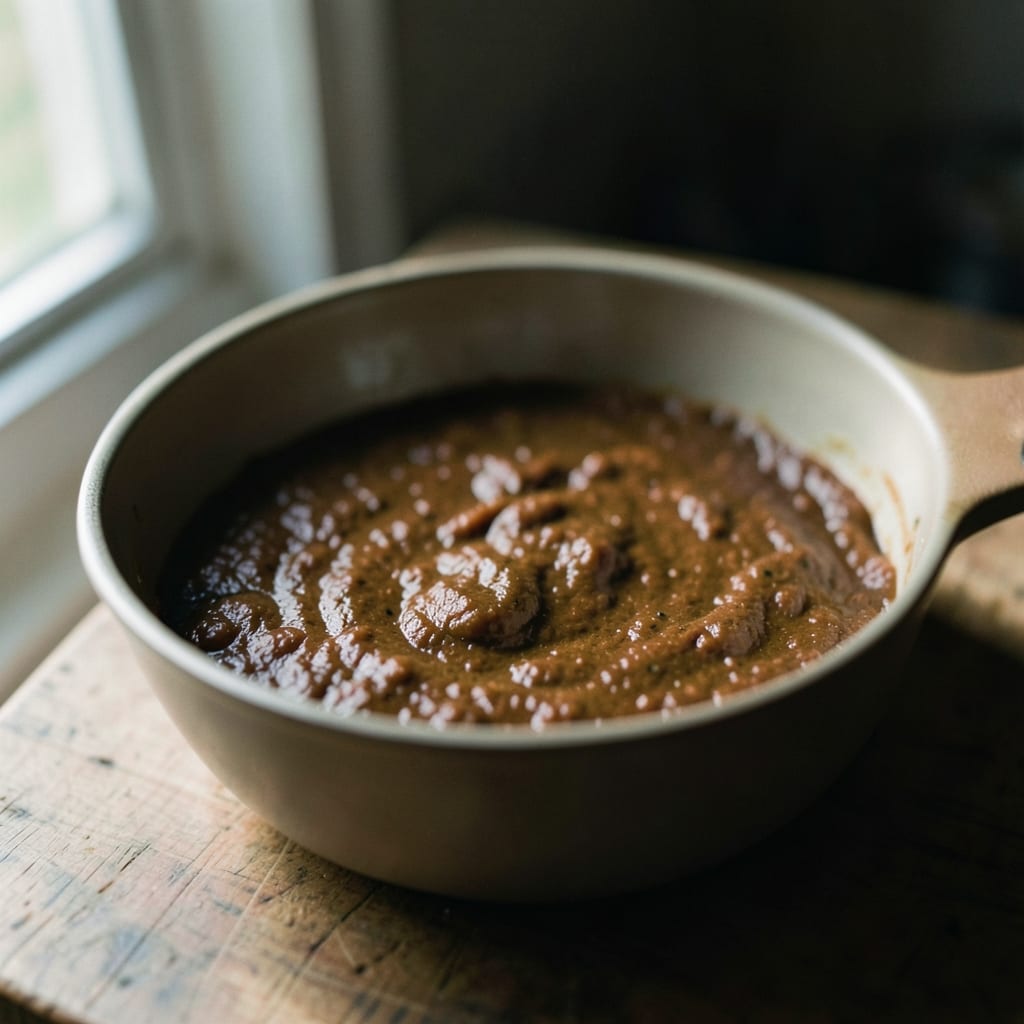
The first step is pressing your thumb into the dirt. If it holds a shape but crumbles when you poke it, it’s ready. If it sticks to your skin like glue, it’s too wet.
If it falls apart like sand, you’re either in a desert or you forgot to water last week. I dig a hole with my fingers, fill it with water, and wait. If the hole fills in five minutes, the soil’s happy.
If it’s still a puddle after an hour, we’ve got drainage problems.
Watch for the worms. If they’re surfacing when you water, your soil’s alive. If you don’t see any, we’re adding compost—*a lot* of it. And if the dirt smells like chemicals or nothing at all, we’re starting over. Plants don’t care about your ‘perfect’ mix.
They care if the earth breathes.
The fix-it rules
Yellow leaves? Check the water first—too much or too little, and you’re flushing money down the drain. If the roots smell rotten, it’s time to repot into something that doesn’t hold a grudge. Brown edges? That’s sunburn.
Move the plant to a spot where the light’s soft, like dappled shade under a tree. And if the stems are soft and mushy? You’ve overwatered. Drain the saucer, cut off the bad bits, and hope the rest survives.
The only rule that never changes is this: *Stop watering when the soil’s damp, not when it’s soggy.* I learned that the hard way with a fern that turned into a science experiment. Now I use my finger, not a timer.
And if a plant’s still struggling after a week of ‘fixing’? I pull it up, take a photo, and write a guide about what *not* to do next time.
How a guide gets onto this site
The notes go into a notebook while the soil’s still warm from my hands. I scribble in pencil—ink bleeds when it rains—and cross out the parts that don’t make sense on the second read.
The first draft is always too long, so I cut everything that doesn’t answer *this*: *‘What would I want to know if I were standing here, staring at this sad plant?’* The guide only goes live after I’ve tested the fix at least three times.
If it fails once, it stays in the notebook. If it fails twice, I write about the failure.
Write to me
I love hearing about the plants that outsmarted you, the pests that moved in uninvited, and the ‘quick fixes’ that actually worked. Send me photos of your battle scars—wilted leaves, gnawed stems, the occasional triumph. The contact page is where to tell me your gardening war stories.
And if you’re the kind of person who talks to their plants, we should definitely be friends.
Gordon Faulkner
The guides are grouped by category: Advice, Aphids, Blooming, Companion Plants, Container Gardens and Flowers.