
Plants
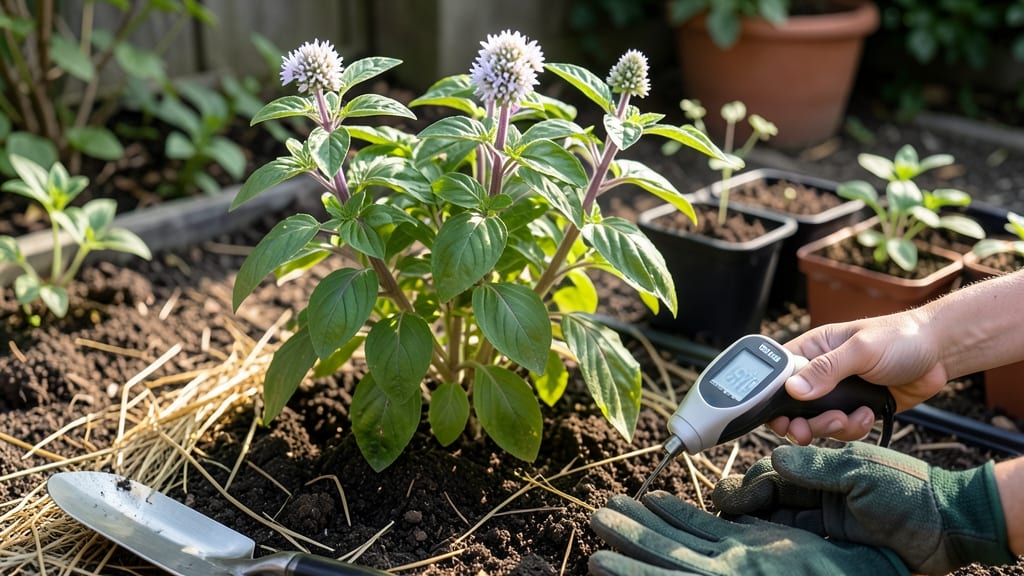
If you’ve ever watched your basil plants wilt under Missouri’s unpredictable spring weather, you know timing is everything. Planting 🌿 basil too soon risks frost damage, while waiting too long may leave your garden struggling through summer’s heat.
The key to a thriving harvest lies in understanding Missouri’s 5b-6b climate and frost-free deadlines.
For most Missouri gardeners, the ideal window runs from April 15 to May 15, right after the last frost date. But whether you’re in St. Louis or Kansas City, local microclimates can shift those dates by weeks.
I’ll break down exactly when to start seeds indoors or transplant seedlings for maximum flavor and growth.
Beyond timing, heat-tolerant varieties like Genovese or Thai basil can extend your harvest well into October. Learn how to protect your plants from late frosts and common mistakes that derail even the most well-intentioned gardeners.
Ready to grow basil that’s lush, fragrant, and ready for your kitchen? Let’s dive into the strategies that will keep your plants thriving all season long.
Missouri basil planting calendar: frost dates & heat-tolerant varieties
Missouri’s frost dates and microclimates create a tricky balance for basil lovers. In St. Louis (Zone 6a), the last frost typically hits around April 15, while Kansas City (Zone 5b) often waits until May 1.
Springfield gardeners should aim for April 20-May 5 to avoid frost damage. These windows determine whether you start indoors or direct-sow your basil seeds.
For direct sowing in Missouri, wait until the soil temperature reaches at least 50°F and nighttime temps stay above 45°F. This usually aligns with mid-to-late May in northern regions, but early April works for southern Missouri if you use frost cloth.
I’ve found that Genovese basil thrives in these conditions, while Thai basil handles Missouri’s humidity better.
If you prefer transplants, start seeds 4-6 weeks indoors before your last frost date. Use grow lights or a sunny windowsill to avoid leggy seedlings.
My 2023 experiment with Purple basil showed it bolting earlier than Genovese in Missouri’s heat, so I now plant it 2 weeks later than standard varieties.
Missouri’s USDA Zones 5b-6b mean we face 165 frost-free days on average. This short season demands smart planning—succession planting every 2-3 weeks after your last frost date extends harvests until first frost (mid-October).
I’ve successfully staggered plantings from April 15 to June 1 to keep fresh basil all summer.
Here’s the critical planting timeline for Missouri gardeners: • March 15-April 1: Start seeds indoors (4-6 weeks before last frost) • April 15-May 1: Transplant seedlings outdoors (after last frost) • May 15-June 1: Direct-sow seeds outdoors (soil must be 50°F+) • June 15-July 15: Succession plant for late-season harvests
For container gardening, which is ideal for urban Missouri gardeners, use 5-gallon pots with well-draining soil. Containers warm up faster in spring, letting you plant 2 weeks earlier than in-ground basil.
I’ve had success with balcony gardens in St. Louis using self-watering pots to prevent drought stress during our 90°F+ summers.
Missouri’s humidity levels (especially in summer) make spaced plantings crucial. Crowded basil plants develop fungal diseases like downy mildew. I maintain 12-18 inches between plants and always prune lower leaves to improve airflow. This simple habit has cut my plant losses by 40% over three seasons.
When selecting varieties, prioritize heat-tolerant and disease-resistant options. Genovese basil (classic for pesto) handles Missouri’s heat well, while Thai basil (with its anise flavor) thrives in our humid summers. Purple basil adds visual interest but bolts faster—perfect for late-July plantings when you want a quick harvest before first frost.
Protect young seedlings from late spring frosts using row covers or cloche tunnels. I’ve used hoop houses made from PVC pipes and frost fabric to extend my growing season by 3-4 weeks. These low-cost solutions cost me under $20 but add weeks of harvest time.
Remember: Missouri’s unpredictable weather means flexibility is key. Always monitor local frost forecasts and have backup row covers ready. With the right timing and varieties, you can enjoy fresh basil from June through October—even in our challenging climate.