
Trees
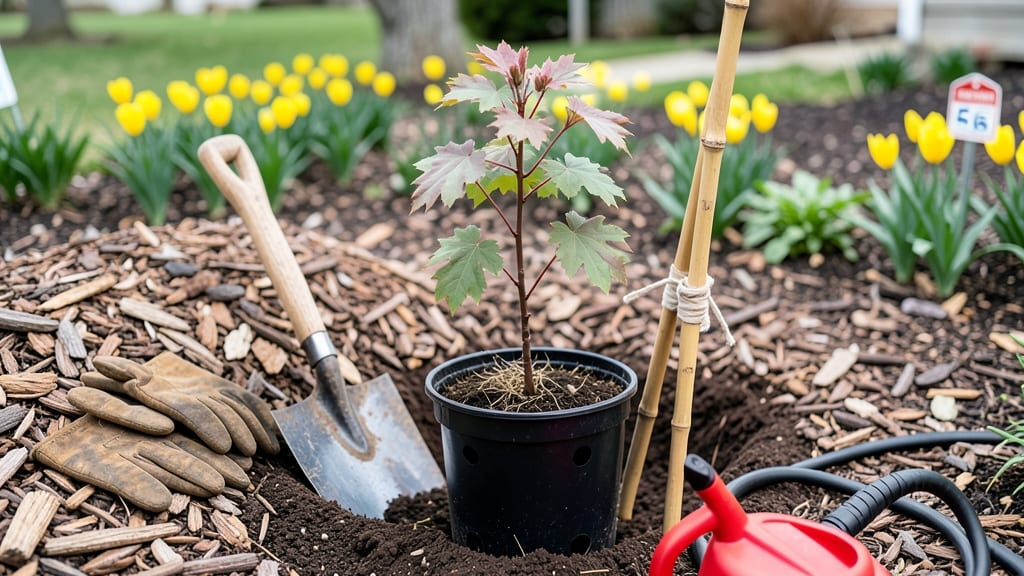
The best time to plant trees in Indiana isn’t just about the calendar—it’s about soil temperatures that give your 🌳 a fighting chance to thrive from day one.
Most gardeners assume spring is the only option, but Indiana’s 5b-6b climate actually offers two prime windows: early spring (when soil warms to 50°F) and fall (before the first frost).
Planting at the wrong time can mean slow root growth, transplant shock, or even death—yet getting it right guarantees a tree that grows faster and stronger for decades.
I’ll break down the science behind soil thermodynamics, so you know exactly when to dig—whether you’re planting an oak, maple, or fruit tree. Plus, I’ll share Indiana-specific tips to avoid common mistakes that waste time and money.
Ready to give your tree the best start? Let’s dive into the ideal planting schedule that works with Indiana’s seasons, not against them.
Optimal Indiana planting windows by soil temperature (not just calendar dates)
Indiana’s USDA zones 5b-6b create unique soil temperature triggers that determine when roots can establish safely. Unlike calendar dates, soil thermodynamics dictate success—planting when daytime highs reach 50-60°F and nighttime lows stay above 40°F ensures root growth without frost damage.
Most gardeners focus on spring vs. fall planting, but Indiana’s microclimates shift these windows. Northern Indiana’s colder zones (5b) need earlier spring planting (late April), while southern Indiana’s warmer zones (6b) can start as early as mid-March for frost-sensitive species like dogwoods or redbuds.
🌱
🌱 Indiana Tree Planting by Soil Temperature
| Season | Soil Temp (°F) | Best Months | Tree Types | Key Tip |
|---|---|---|---|---|
| Early Spring | 45-55°F | March-April | Oaks, Maples, Pines | Plant before buds swell |
| Late Spring | 55-65°F | May-June | Fruit Trees, Birches | Avoid drought stress |
| Early Fall | 50-60°F | September-October | Redbuds, Serviceberries | 6-8 weeks before frost |
| Late Fall | Below 40°F | November | None (risky) | Avoid transplant shock |
For bare-root trees, Indiana’s USDA zone 5b (north) requires late April planting when soil warms to 50°F, while zone 6b (south) can start as early as mid-March.
Container-grown trees offer flexibility—they tolerate warmer spring soils (up to 70°F) but avoid summer heat (above 85°F) which stresses roots.
Evergreens like pine or spruce need cooler soil (50-55°F) to prevent transplant shock, while deciduous trees (oak, maple) thrive in warmer soils (60-65°F) for faster canopy growth. Use a soil thermometer to verify—Indiana’s clay soils heat up slower than sandy regions.
🌿
Mulch plays a critical role in extending root-zone warmth. Apply 3-4 inches of mulch (wood chips or straw) to retain soil moisture and moderate temperature swings.
In northern Indiana, mulch helps delay frost damage by 2-3 weeks, while southern Indiana’s humid climate requires well-draining mulch to prevent root rot.
Pro tip: Bare-root trees planted in fall (September-October) establish 60% more roots before dormancy than spring-planted trees. This root advantage translates to faster canopy growth in the first growing season—a secret many Indiana gardeners miss.
✂️
Optimal Indiana planting windows by soil temperature (not just calendar dates)
Indiana’s USDA zones 5b-6b create a unique window for planting trees that most gardeners miss. The ideal soil temperature for root establishment is 50-60°F, not just the air temperature.
In northern Indiana, this typically aligns with late April to early May, while southern Indiana can start as early as mid-March.
Fall planting works too—aim for September to early October when soil stays above 50°F but nights cool down. This gives roots time to grow before dormancy, often outperforming spring plantings. Evergreens like pine trees need special attention—their roots must establish before winter to avoid frost damage.
Here’s how Indiana’s microclimates shift planting windows:
For bare-root trees, plant as soon as soil is workable—don’t wait for perfect conditions. Container-grown trees offer more flexibility but still need consistent moisture during establishment. Mulch heavily (3–4 inches) to maintain soil warmth and moisture, especially in dry springs or hot summers.
Pro tip: Use a soil thermometer to check depth (6 inches down). If temps dip below 50°F, delay planting until conditions improve. This simple tool can save your tree from transplant shock and poor root growth.
Evergreens like arborvitae or spruce need extra care—their roots must establish before winter. Plant them in early fall (Sept) to allow 6–8 weeks of root growth before frost. Avoid planting in late fall when soil temps drop below 45°F.