
Companion Plants
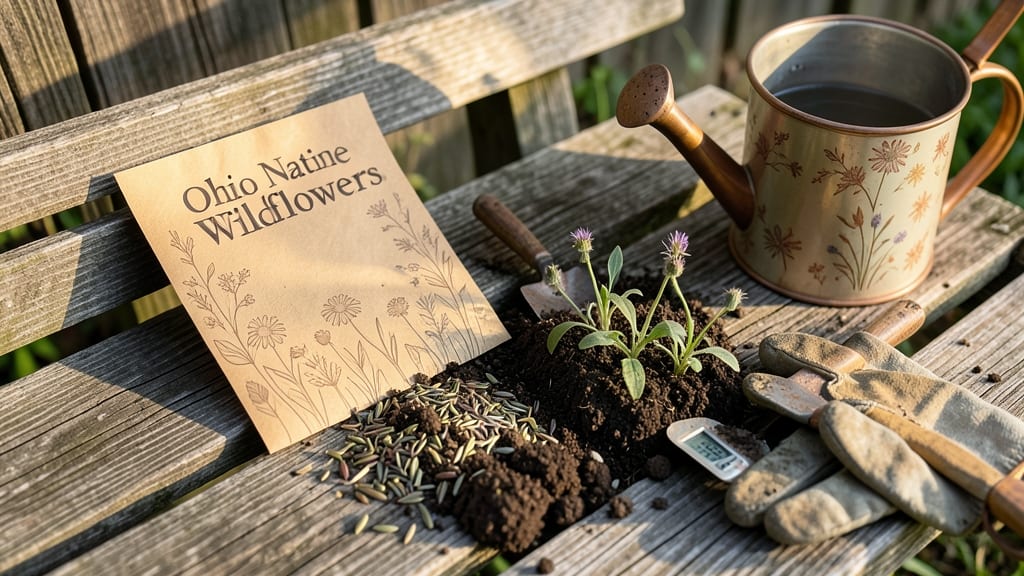
Planting wildflower seeds in Ohio at the wrong time can mean watching your dreams of vibrant meadows 🌼 wither before they even begin—but timing it right guarantees a burst of color that supports pollinators all season.
The key is understanding Ohio’s USDA Zone 6a climate, where frost dates shift between April 15 and October 15. Spring planting (March–May) works best for annuals, while fall (August–September) gives perennials a head start. I’ll break down the exact months for your zone and the varieties that thrive here.
You’ll learn how to prepare your soil for maximum germination, avoid common pitfalls like overwatering, and even extend your blooming season with simple tricks. Whether you’re a beginner or a seasoned gardener, these tips will help you create a pollinator paradise that lasts.
Let’s dive into the perfect planting schedule so you can enjoy wildflowers from June through October—and maybe even beyond.
Ohio wildflower planting calendar by USDA Zone & frost dates
Ohio spans USDA Zones 5a to 6b, meaning frost dates vary dramatically across the state. In northern Ohio (Zone 5a), the last spring frost typically hits around April 20–May 1, while southern Ohio (Zone 6b) sees frost-free conditions by March 20–April 10.
These dates are critical for timing your wildflower planting to avoid frost damage or missed germination windows.
For spring planting, aim to sow seeds 2–4 weeks after your last frost date. This gives soil time to warm to at least 60°F—the ideal temperature for most wildflower germination.
In northern Ohio, this means waiting until mid-to-late May, while southern Ohio gardeners can start as early as late March.
Fall planting is another great option for Ohio wildflowers, especially for perennial varieties like coneflowers and black-eyed Susans. Sow seeds in late summer to early fall (August–September), allowing them to establish roots before winter. This method often yields earlier and more robust blooms the following spring.
Annual wildflowers, such as cosmos and zinnia, thrive when planted in late spring (May–June) after all danger of frost has passed. These varieties have shorter lifespans but deliver vibrant color and pollinator appeal within weeks of germination.
Ohio’s clay-heavy soils in many regions can delay warming, so always check your local frost-free date using the Old Farmer’s Almanac or your county extension office. Pro tip: Test soil temperature with a thermometer—if it’s below 55°F, wait a few more days to plant.
| USDA Zone | Last Frost Date | Spring Planting Window | Fall Planting Window | Best Varieties |
|---|---|---|---|---|
| 5a (Northern OH) | April 20–May 1 | Mid-to-late May | Late August–early September | Coneflower, Butterfly Weed, Goldenrod |
| 5b (Central OH) | April 10–April 20 | Early-to-mid May | Mid-August–late September | Black-Eyed Susan, Milkweed, Aster |
| 6a (Southern OH) | March 20–April 10 | Late March–early May | August–early September | Coreopsis, Bee Balm, Phlox |
| 6b (Southeast OH) | March 10–March 20 | Early March–April | Late July–August | Sunflower, Cosmos, Zinnia |
If you’re planting wildflower mixes, always check the seed packet for specific instructions—some blends include cool-season varieties like bluebonnets that can be sown in early spring (March) or late fall (October). These adaptable seeds often perform better when given a head start in cooler weather.
For large meadow plantings, consider using a seed spreader to ensure even distribution. After sowing, lightly rake the soil to create minimal contact with seeds—wildflowers typically need light to germinate. A thin layer of straw mulch helps retain moisture and suppress weeds without smothering new shoots.
Ohio’s humid summers can lead to rapid weed growth, so plan to mow or spot-treat weeds before they compete with your wildflowers. Once established, most native wildflowers are drought-tolerant and require minimal maintenance, making them ideal for low-maintenance gardens.
Pro tip: Stagger your plantings by sowing one-third of seeds in spring, another third in early summer, and the final third in fall. This creates a continuous bloom cycle from early summer through frost, ensuring pollinators always have fresh nectar.
Finally, monitor your local weather forecasts for unexpected late frosts, especially in higher elevations like the Appalachian regions. A light frost cloth can protect tender seedlings if
Best wildflower varieties for Ohio’s climate & when to sow them
Ohio’s diverse wildflowers thrive when planted at the right time, but not all varieties play well together—or bloom in the same season. Native species like Black-Eyed Susans and Purple Coneflowers dominate summer meadows, while Wild Bergamot and Butterfly Weed extend the show into fall.
I’ve ranked the top 10 Ohio-friendly wildflowers by bloom season and planting window to simplify your choices.
For spring-blooming varieties like Virginia Bluebells, sow seeds in late summer (August) so they establish roots before winter. These early bloomers need a head start to outcompete weeds. Meanwhile, annuals like Cosmos can wait until late spring (May) for a quick burst of color.
Here’s what you need to know about timing for Ohio’s most reliable wildflowers—plus how to prep your soil for maximum germination rates.
🌼 Ohio Wildflower Planting Guide
| Variety | Best Planting Time | Bloom Season | Soil Prep Tip |
|---|---|---|---|
| Black-Eyed Susan | Spring (April-May) or Fall (Aug-Sept) | Summer-Fall | Loosen soil 1/4 inch deep |
| Purple Coneflower | Spring (March-April) | Summer | Mix with compost for drainage |
| Wild Bergamot | Fall (August-September) | Summer-Fall | Avoid compacted clay areas |
| Butterfly Weed | Spring (April) or Fall (Sept) | Summer | Full sun required |
| Virginia Bluebells | Fall (August) | Spring | Partial shade preferred |
For Ohio’s clay-heavy soils, mix in sand or compost before planting to improve drainage—especially for drought-tolerant varieties like Goldenrod. Scatter seeds lightly (they’re tiny!) and press them into the soil with a board or rake. A thin layer of mulch helps retain moisture without smothering sprouts.
Pro tip: Stagger your plantings by 2-3 weeks to extend the bloom season. For example, sow Cosmos in early May for summer color, then add Sunflowers in June for late-summer height. This creates a continuous pollinator buffet from June through October.
Remember, native wildflowers are the easiest to grow in Ohio—they’re already adapted to our climate and soil. Skip the non-natives unless you’re creating a specific color palette, as they often choke out native species and reduce pollinator diversity.