
Plants
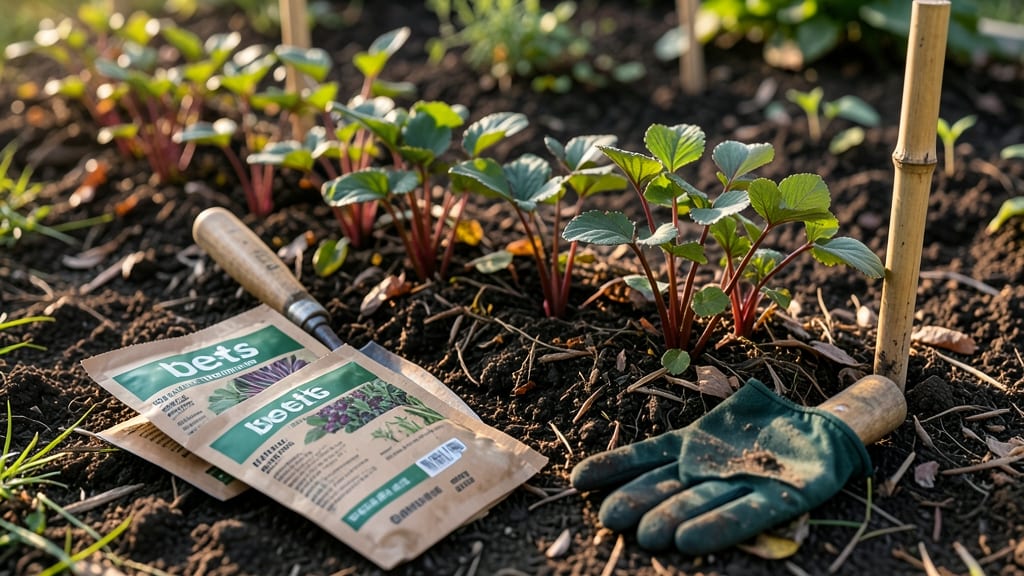
Timing your 🍠 beet planting in Oregon is the difference between sweet, tender harvests and tough, bitter failures—especially when coastal fog clashes with inland heat. The perfect window depends on your microclimate, whether you're in the Willamette Valley or the high desert, where last-frost dates can shift by weeks.
In USDA zones 7b-9a, most gardeners aim for early spring (March–April) or late summer (August–September) to dodge frost while giving roots time to mature before winter. But here's the catch: Portland's last frost hits around April 15, while Medford's arrives weeks earlier.
Plant too early, and seedlings bolt; too late, and you risk stunted growth.
I’ll break down the exact frost-free timeline for your region, plus pro tips for extending harvests into fall. Whether you're a first-time gardener or a seasoned grower, these strategies will help you avoid common mistakes like overcrowding or uneven soil moisture—so you can enjoy crisp beets from June through November.
Ready to transform your garden into a beet bonanza? Let’s dive into the ideal planting schedule and companion plants that’ll keep pests at bay while maximizing your yield.
Oregon’s frost-free planting windows for beets by region
Oregon’s diverse climate—from the cool coastal fog to the hot inland valleys—means your beet planting timeline should vary by region. Beets thrive in soil temperatures between 50°F and 75°F, so timing is everything to avoid frost damage or stunted growth.
Let’s break down the best planting windows for Oregon’s three key zones: coastal, Willamette Valley, and high desert.
For coastal areas like Seaside or Cannon Beach, where frost lingers until mid-April, start sowing seeds indoors in late February and transplant outdoors by April 15.
The milder climate also allows for a fall planting window from July to August, with harvests stretching into October or November. Just be prepared for heavier rainfall, which can lead to soil compaction—amend with compost to improve drainage.
In the Willamette Valley, including Portland and Salem, last frosts typically occur around April 15, making mid-March to early April the ideal time to sow seeds directly into the garden.
This zone’s mild summers also support a late-summer planting (August) for fall harvests. Aim to finish harvesting before the first frost in mid-October, or use row covers to extend the season.
The high desert (e.g., Bend or La Pine) has a shorter growing season but warmer days. Plant seeds as early as late February to capitalize on the longer daylight hours, with harvests ready by late June.
For fall crops, sow seeds in early August to avoid early frosts, which can hit as soon as mid-September. Mulch heavily to retain soil moisture in this drier climate.
Oregon Beet Planting Calendar by Region
| Region | Spring Planting Window | Fall Planting Window | Last Frost Date | First Frost Date |
|---|---|---|---|---|
| Coastal (Seaside) | Late Feb (indoors) / April 15 (outdoors) | July - August | Mid-April | Mid-October |
| Willamette Valley (Portland) | Mid-March - Early April | August | April 15 | Mid-October |
| High Desert (Bend) | Late February | Early August | Late March | Mid-September |
🌱 Pro Tip: Test soil temperature with a thermometer—beets need 50°F+ to germinate.
Soil temperature is just as critical as frost dates. Beets germinate best in soil that’s at least 50°F, but ideal germination occurs between 60°F and 75°F. Use a soil thermometer to check before planting—cold soil can delay germination by weeks.
In cooler zones, opt for cold-hardy varieties like Detroit Dark Red or Golden to speed up growth.
Don’t overlook succession planting, either. Sow new seeds every 2-3 weeks from March to June to ensure a continuous harvest. This works especially well in the Willamette Valley, where the growing season is long enough to support multiple plantings.
Just be sure to thin seedlings to 3-4 inches apart to prevent crowding and woody roots.
If you’re new to beet growing, start with small batches to test your local conditions. For example, coastal gardeners might find that fall plantings produce sweeter roots due to cooler temperatures, while high desert growers should prioritize early spring to avoid summer heat stress.
Keep a gardening journal to track which planting windows yield the best results in your specific microclimate.
One common mistake is planting too late in the season, especially in warmer inland areas. Beets can bolt (go to seed) quickly when exposed to high temperatures (above 80°F), leading to bitter, tough roots.
To avoid this, mulch heavily to keep soil cool and provide afternoon shade during heatwaves. This is particularly important in July and August, when summer plantings are most at risk.
For container growing, choose compact varieties like Babybeat or Little Ball and plant in deep pots (12+ inches) filled with well-draining soil. Containers
How to extend your beet harvest season in Oregon’s climate
Oregon’s cool, wet springs and early autumn frosts can limit your beet harvest—but with the right strategies, you can enjoy fresh roots from spring through fall. The key? Fall planting and cold-hardy varieties that thrive when temperatures dip.
I’ve grown beets in Portland’s Willamette Valley and Bend’s high desert, and these methods work in both climates.
Start by choosing late-maturing varieties like Detroit Dark Red or Golden Beet, which handle cooler soils better than faster varieties. These can be sown as late as mid-August in most of Oregon, giving you a harvest before frost.
For even later harvests, use row covers or low tunnels to protect plants into October or November.
Another trick? Succession planting every 2-3 weeks from March through May. This ensures a steady supply of beets without overwhelming your garden at once.
In my coastal garden, I’ve stretched harvests by planting a final batch in early September, using black plastic mulch to warm the soil and speed germination.
- Planting too early in cold, wet soil (below 50°F) causes rot—wait until soil warms to 55-60°F.
- Skipping succession planting leads to a single harvest instead of continuous yields.
- Overcrowding seedlings results in small, misshapen roots—thin to 3-4 inches apart.
- Ignoring bolting risks—long daylight hours in summer trigger flowering; use shade cloth if planting in June or July.
For winter harvests, try cold-hardy varieties like Chioggia or Bull’s Blood. These can survive light frosts and even be harvested after a 20°F freeze if covered. In Medford’s Zone 8b, I’ve pulled beets straight from the snow in December—their sweetness intensifies after frost!
Don’t forget companion planting to deter pests like leaf miners. Pair beets with onions, garlic, or lettuce to confuse pests naturally. In my high-desert garden, I also interplant with radishes, which mature faster and mark beet rows for easy thinning.
With these strategies, you can enjoy homegrown beets for 6+ months—from early spring greens to late-fall roots. The secret? Plan ahead, protect from frost, and keep planting until soil cools. Your taste buds (and dinner table) will thank you!