
Plants
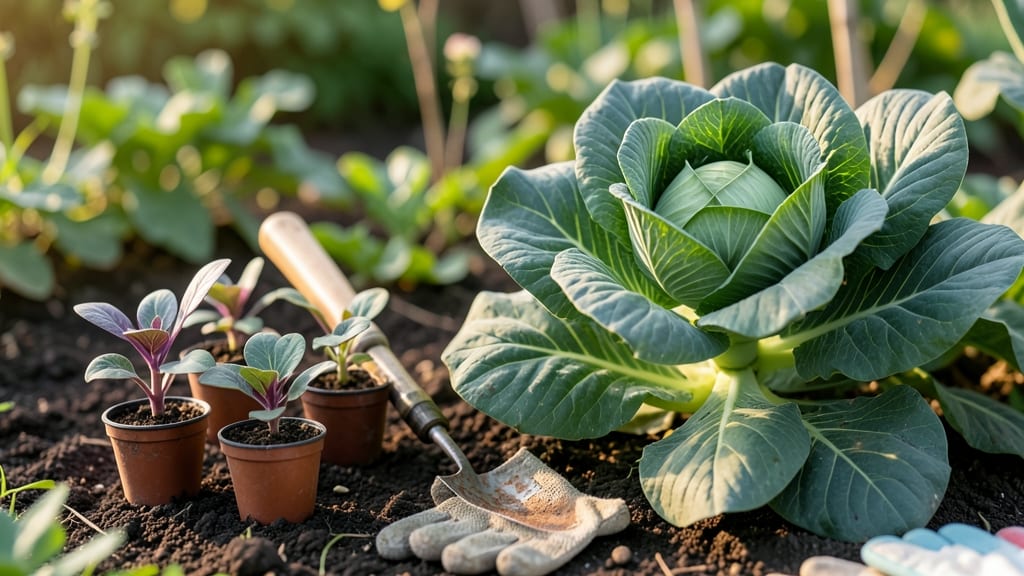
If you’ve ever stared at your Maryland garden wondering "when to plant cabbage" and ended up with bitter, bolted heads instead of crisp harvests, you’re not alone.
Cabbage thrives in Maryland’s 7a zone, but timing is everything—plant too early, and frost ruins your seedlings; too late, and those long summer days trigger bolting before you can enjoy a single leaf.
The secret lies in Maryland’s frost dates: aim for March–April for spring plantings or August–September for fall harvests. But here’s the catch—early varieties like Golden Acre need to hit the ground 6–8 weeks before last frost, while late varieties like January King can stretch into October.
Get this wrong, and you’ll be left with sad, yellowing heads instead of the 🥬 goldmine you’re after.
I’ve grown cabbage in Maryland for years, and I’ll show you exactly how to sync your planting with the local climate—no guesswork. We’ll cover frost-date strategies, soil prep, and even how to cheat the system with row covers for fall success.
By the end, you’ll know the most important windows to plant, plus how to avoid the 3 biggest mistakes Maryland gardeners make.
Ready to grow cabbage that’s crisp, flavorful, and ready to harvest? Let’s dive into the frost-date guide that’ll turn your garden into a cabbage powerhouse—no more wasted seeds or bolted disappointments.
Maryland cabbage planting dates by variety to avoid bolting
Timing your cabbage planting in Maryland is all about beating the last frost (around April 15) while avoiding bolting from heat stress. The USDA Zone 7a climate gives us two prime windows: spring and fall.
But not all varieties thrive in both seasons—early cabbages like Golden Acre do best in spring, while late varieties such as January King shine in fall.
For spring cabbage, start seeds indoors 6-8 weeks before your last frost (so around February 15) or transplant hardened seedlings after April 15. Fall cabbage needs a different approach: sow seeds 8-10 weeks before your first frost (around August 15) to ensure harvest before October 31.
Miss these windows, and you’ll end up with bitter, bolted heads instead of sweet, crisp harvests.
Maryland’s short growing season (about 180 frost-free days) means we must plan carefully. Early varieties mature in 60-75 days, while late varieties take 80-100 days. Let’s break down the best planting dates by variety to maximize your garden’s potential.
🥬 Maryland Cabbage Planting Guide by Variety
| Variety | Type | Spring Planting Window | Fall Planting Window | Days to Maturity | Notes | ||||||||||||||||||||
|---|---|---|---|---|---|---|---|---|---|---|---|---|---|---|---|---|---|---|---|---|---|---|---|---|---|
| Golden Acre | Early | Feb 15 - Mar 15 (indoors) / Apr 15 (outdoors) | Not recommended | 60-70 days | Best for spring; heat-sensitive | ||||||||||||||||||||
| Savoy | Mid-Season | Mar 1 - Apr 1 (indoors) / Apr 15 (outdoors) | Aug 1 - Aug 15 (direct sow) | 70-80 days | Crinkled leaves; versatile for both seasons | ||||||||||||||||||||
| January King | Late | Not recommended | Aug 15 - Sep 1 (direct sow) | 90-100 days | Cold-hardy; stores well for winter | ||||||||||||||||||||
| Red Express | Mid-Season | Mar 15 - Apr 1 (indoors) / Apr 15 (outdoors) | Aug 1 - Aug 15 (direct sow) | 70-80 days | Vibrant purple-red; great for slaw | ||||||||||||||||||||
| Danish Ballhead |
Maryland cabbage planting dates by variety to avoid boltingMaryland’s 7a climate gives you two prime windows to plant cabbage—spring and fall—but each variety has its own ideal timing. The key is working with Maryland’s last frost date (April 15) and first frost date (October 31). Plant too early, and seedlings freeze; too late, and long summer days trigger bolting before harvest. Let’s break it down by variety to maximize your 🥬 harvest. For spring cabbage, aim to transplant hardened-off seedlings 2–4 weeks before last frost (mid-March to early April). This gives early varieties like Golden Acre (60-day maturity) enough time to mature before summer heat sets in. Fall plantings should start 8–10 weeks before first frost (late August to early September) for varieties like January King (100-day maturity) to reach harvest before winter. Here’s the 📋 breakdown of Maryland’s best planting windows by variety: Variety |
Type |
Spring Planting Window |
Fall Planting Window |
Days to Maturity |
Key Tip |
Golden Acre |
Early |
Mid-March |
Late July |
60 |
Plant early to avoid summer heat |
Savoy |
Mid-Season |
Early April |
Early August |
75 |
Thicker leaves tolerate cooler temps |
January King |
Late |
N/A |
Late August |
100 |
Use row covers to extend harvest |
Pro tip: Maryland’s humidity can slow germination, so pre-soak seeds for 4–6 hours before planting. For fall plantings, use lightweight row covers to protect young seedlings from cabbage worms and extend the season by 2–3 weeks. This is especially critical for late varieties like January King, which need every extra day to mature before frost. If you’re starting seeds indoors, begin 6–8 weeks before last frost (early February for spring). Use grow lights to provide 14–16 hours of light daily—cabbage needs long days to form tight heads. Harden off seedlings for 7–10 days before transplanting to prevent shock, especially if Maryland’s spring temps swing wildly between 40°F and 80°F. Remember, soil temperature matters just as much as air temperature. Cabbage thrives when soil is at least 45°F, so wait until late March or early April to transplant outdoors. Use a soil thermometer to check—cold soil delays growth and invites pests like cabbage maggots. By following these variety-specific windows, you’ll avoid the #1 mistake Maryland gardeners make: planting at the wrong time and ending up with bitter, bolted cabbage instead of crisp harvests. |