
How To
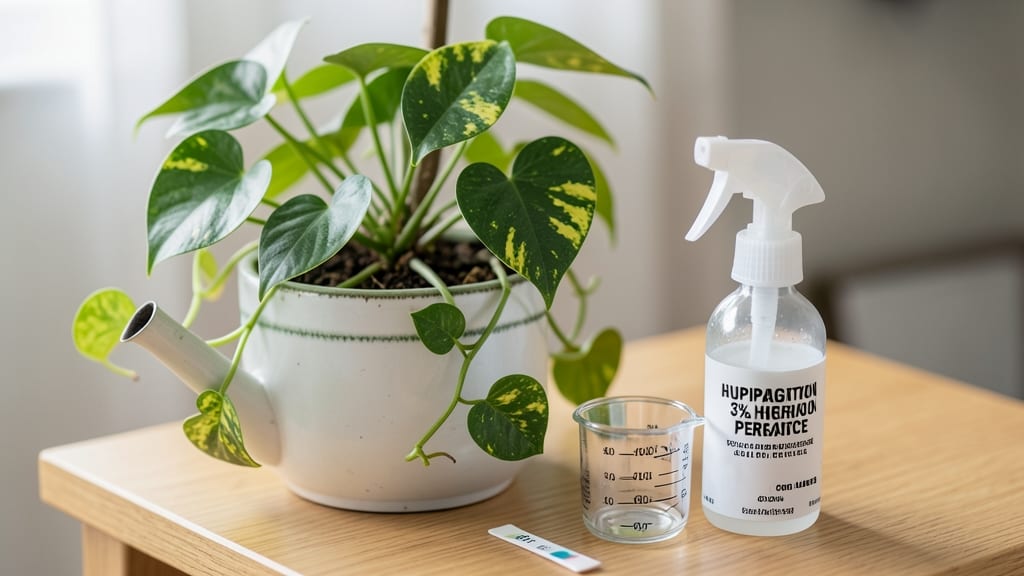
That tiny splash of hydrogen peroxide in your plant water could be the difference between thriving 🌱 and struggling foliage. When used correctly, it sterilizes roots, boosts oxygen levels, and even fights fungal infections—but get the dose wrong, and you might accidentally harm your green friends instead.
I’ve tested the science-backed ratios that keep your General Plants in zone 6a healthy without risking root burn. Whether you’re battling black spot on leaves or giving seedlings a growth boost, knowing the right concentration is everything. Let’s break down exactly how much to use and when to stop.
Most gardeners swear by 1 teaspoon per gallon for a gentle sanitizing effect, but some tougher plants need up to 3 teaspoons for deeper benefits. The key? Understanding your plant’s needs and applying it the right way—whether as a root soak or foliar spray.
Ready to transform your watering routine? I’ll walk you through the exact steps, common mistakes to avoid, and which plants should steer clear entirely. Your garden’s health starts with the right mix—let’s get it perfect.

Safe hydrogen peroxide concentrations for plant watering: dosage guide by plant type
Hydrogen peroxide isn't just for disinfecting cuts—it's a powerhouse for plant health when used correctly. The key lies in the concentration and dilution. Too much can burn roots, while too little won't deliver benefits. For most plants, a 3% hydrogen peroxide solution is the safest starting point, but dilution ratios vary by plant type and purpose.
Hydrogen peroxide works by releasing oxygen when diluted, which helps sterilize soil, boost root growth, and even treat fungal infections. However, plants like succulents and cacti are far more sensitive than leafy greens or herbs.
Always start with the lowest effective dose and monitor your plants for stress signs.
Here’s a quick reference for safe dilution ratios based on your plant’s needs. Remember: never use undiluted hydrogen peroxide—it’s far too concentrated for plants and will cause severe damage.
| Plant Type | Dilution Ratio (3% Solution) | Purpose | Frequency | Notes |
|---|---|---|---|---|
| Vegetables (tomatoes, peppers, lettuce) | 1 tablespoon per gallon (1 tsp per quart) | Soil sterilization, root boost | Every 2-4 weeks | Safe for heavy feeders; flush soil after use |
| Houseplants (pothos, snake plant, ferns) | ½ teaspoon per quart (2 tsp per gallon) | Fungal control, oxygenation | Monthly or as needed | Avoid overwatering; sensitive roots |
| Succulents & Cacti | ¼ teaspoon per quart (1 tsp per gallon) | Root dip for propagation | Once during transplant | Never water directly; risk of root burn |
| Seedlings & Cutting Roots | 3 tablespoons per gallon | Root stimulation, sterilization | During propagation only | Use for 5-10 minutes max; rinse after |
| Fruit Trees (apples, citrus, berries) | 1 tablespoon per gallon | Soil fungus prevention | Every 4-6 weeks | Best applied to soil, not foliage |
| Herbs (basil, mint, rosemary) | ½ teaspoon per quart | Mild sterilization, growth boost | Every 3-4 weeks | Herbs tolerate higher frequency than flowers |
For foliar sprays (directly on leaves), always use a lower concentration—no more than ¼ teaspoon per quart—to prevent leaf burn. Spray in the early morning so leaves have time to dry and avoid fungal growth from excess moisture.
Hydrogen peroxide breaks down quickly in sunlight, so always prepare your solution fresh. Store-bought 3% food-grade hydrogen peroxide (like what you’d use for first aid) is ideal—avoid higher concentrations, which are toxic to plants. If you’re unsure about your plant’s tolerance, test on a small area first.
Pro tip: Mix your solution in a clean spray bottle or watering can. Add the hydrogen peroxide to water last to preserve its potency. For example, if you’re treating 1 gallon of water, add 1 tablespoon for vegetables or ½ teaspoon for delicate houseplants. Stir gently to avoid creating bubbles that could damage roots.
Hydrogen peroxide is especially useful for reviving stressed plants or preventing damping-off disease in seedlings. However, it’s not a substitute for proper soil drainage or fungicide treatments in severe cases. Combine it with compost amendments or beneficial microbes for best results.
Always observe your plants for 24-48 hours after treatment. Healthy roots will appear firm and white, while damaged roots may turn brown or mushy. If you notice wilting or discoloration, flush the soil with plain water immediately and reduce future doses.
🌱
Safe hydrogen peroxide concentrations for plant watering: dosage guide by plant type
Hydrogen peroxide isn’t just a disinfectant for cuts—it’s a powerhouse for plant health when used correctly. At the right dilution, it sanitizes soil, boosts oxygen levels in roots, and even fights fungal infections like powdery mildew.
But the wrong concentration can cause root burn or oxygen deprivation, stunting growth instead of helping it.
The key is understanding your plant’s sensitivity. Most gardeners start with 1 teaspoon per gallon of 3% hydrogen peroxide (the strength sold in pharmacies), but some tougher plants—like vegetables or succulents—can handle up to 3 teaspoons per gallon for deeper benefits.
Below, I’ve broken down the safe ranges for different plant types, including how often to use it and what to watch for.
| Plant Type | Hydrogen Peroxide Ratio | Frequency | Best For |
|---|---|---|---|
| Houseplants (e.g., pothos, snake plant) | 1 tsp per gallon (0.3%) | Monthly (preventative) | Root health, mild sterilization |
| Vegetables (tomatoes, peppers, herbs) | 1–3 tsp per gallon (0.3–1%) | Weekly (during fungal outbreaks) | Fungus control, root oxygenation |
| Succulents & Cacti | ½ tsp per gallon (0.15%) | Bi-monthly (drought stress) | Root rot prevention |
| Seedlings & Cutting Roots | 1 tsp per quart (0.6%) | Once during propagation | Faster root development |
The 3% concentration is the safest for gardening—never use higher strengths like those sold for cleaning (e.g., 6% or more). For foliar sprays, always dilute to ½ teaspoon per gallon to avoid leaf damage.
The solution should fizz slightly when mixed; if it’s too bubbly, it’s too strong and could harm your plants.
Pro tip: Always water plants deeply before applying hydrogen peroxide to avoid over-saturation. This ensures the roots absorb the treatment evenly without stress. For container plants, let the mix soak into the soil for 10–15 minutes before draining excess—never let roots sit in undiluted peroxide.
If you’re treating fungal infections, repeat the application every 5–7 days until symptoms improve. For general root health, monthly use is plenty. And remember: never use hydrogen peroxide on acid-loving plants like blueberries or azaleas—it can alter soil pH over time.