
Plants
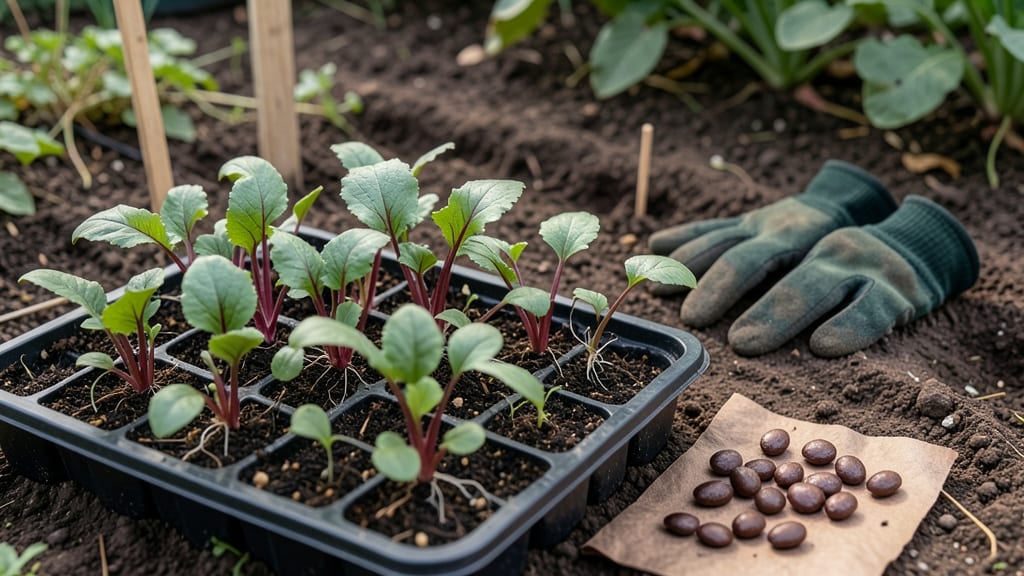
Planting beets in Minnesota isn’t just about the calendar—it’s about catching the perfect soil temperature window to avoid bolted greens and stunted roots. Too early, and your 🥕 seedlings will bolt before you can say "harvest"; too late, and frost steals your crop.
With Minnesota’s USDA zones 4a-5b and unpredictable spring swings, timing is everything.
Most gardeners assume "as soon as the ground thaws" is the answer, but beets actually thrive when soil hits 40°F—not air temperature. That means waiting for late April or early May, even if snow still lingers.
The key? Plant your first batch between April 15 and June 15 for spring harvests, then again in July or August for fall crops.
Here’s the game-changer: Beets planted too close to summer’s heat will bolt faster than you can blink. We’ll show you how to read your soil’s cues, pick the right varieties for Minnesota’s short season, and even stretch your harvest window with simple tricks.
Ready to turn your garden into a beet bonanza?
Whether you’re a first-time gardener or a veteran with frostbitten memories, these soil-temperature secrets will help you grow sweeter, bigger beets—no guesswork required. Let’s dig in.
Minnesota beet planting calendar: exact soil temperature triggers by month
Beets thrive when planted at the right soil temperatures, and Minnesota’s USDA zones 3-5 demand precision. The ideal soil temp range for beet seeds is 40°F-85°F, but timing varies dramatically between northern and southern parts of the state.
In Zone 3 (northern MN), wait until May 15—after the last frost—while Zone 5 gardeners can start as early as April 15.
For a successful harvest, align your planting with frost-free windows. Minnesota’s average last frost date is April 20, but late frosts can linger into May.
Use a soil thermometer to confirm readiness—50°F+ soil signals it’s time to plant. Fall planting should begin by July 1 to ensure roots mature before first frost (usually October 10).
Here’s how to break it down by month for peak beet production:
| Month | Soil Temp (°F) | Planting Window | Notes |
|---|---|---|---|
| April | 40-50°F | Zone 5: Mid-April Zone 3: Wait |
Use row covers if frost risk |
| May | 50-65°F | All zones: Mid-May | Best for spring harvest |
| June | 65-75°F | Early June (succession) | Avoid bolting with shade |
| July | 70-80°F | Early July (fall crop) | Use heat-tolerant varieties |
| August | 60-75°F | Mid-August (late fall) | Extend season with mulch |
In northern Minnesota (Zone 3), prioritize late May planting to avoid early bolting. Use black plastic mulch to warm soil faster. Southern MN (Zone 5) gardeners can start 4 weeks earlier and enjoy two harvests: spring and fall.
For container growing, plant in early June when soil warms consistently above 55°F.
Pro tip: Direct-sow seeds—beets hate transplanting. Space rows 12 inches apart for easy thinning.
If your soil feels too cold (below 40°F), wait 1-2 weeks or use a cold frame to accelerate warming. Overheating soil (above 85°F) can also trigger bolting, so shade cloth is your ally in July-August.
Minnesota’s short growing season means succession planting is key. Sow new seeds every 2 weeks from May to July for a continuous harvest. Track your local frost dates using the MN State Climatology Office—their frost maps help adjust your schedule yearly.
For urban gardeners, raised beds warm up 2-3 weeks faster than in-ground soil, giving you an earlier start.
Remember: Beets are cool-season crops, but they won’t tolerate frost. If a late frost hits after planting, cover seedlings with frost cloth until danger passes. Fall-planted beets should be harvested before ground temps drop below 30°F, or they’ll develop woody roots.
Plan accordingly—September sowings are risky unless you’re in Zone 5’s southern tip.
For maximum yield, aim to harvest 60% of your crop by late August, leaving later plantings for fall storage. Store harvested beets in sandy soil or a cool basement (32-40°F) to preserve freshness through winter. With these so
How to prevent beet bolting in Minnesota’s unpredictable climate
Minnesota’s unpredictable spring frosts and sweltering summer heat can turn your beet dreams into a bolting disaster. Beets bolt—prematurely flowering—when stressed by temperature swings or overcrowding. The key? Proactive strategies to keep them cool, shaded, and spaced just right.
First, choose bolting-resistant varieties like 'Boltardy' or 'Early Wonder Tall Top'. These handle MN’s short growing season better than traditional types. Pair them with succession planting every 2-3 weeks from May to July to stagger harvests and avoid overcrowded seedlings.
Shade cloth is your best friend during hot July days when soil temps soar above 80°F. A 30-50% shade cloth keeps roots cool and prevents early bolting. Stake it 6-12 inches above plants to avoid blocking sunlight entirely.
🌱 5 Critical Steps to Stop Beet Bolting
- 1. Plant after soil hits 40°F—wait for last frost (avg. April 20) to avoid cold stress.
- 2. Thin seedlings to 3-4"—crowding triggers bolting faster than heat.
- 3. Mulch with straw—keeps soil 5-10°F cooler in summer.
- 4. Water deeply in AM—1 inch/week prevents drought stress.
- 5. Harvest young—pull 1-2" beets at 45-50 days to avoid maturity triggers.
For late-season planting (July-August), use row covers to extend harvests into September. Remove covers during daytime warmth but leave them on at night to protect from early frosts. This two-week trick buys you 4-6 extra weeks of growth.
If you miss the window, don’t panic! Baby leaf harvests work even on bolting plants. Snip the outer leaves when they’re 4-6 inches tall, leaving the center to regrow. This gives you 3-4 harvests from one planting before the plant flowers.
Finally, monitor your soil temperature with a $10 soil thermometer. Beets thrive at 60-75°F—any hotter, and they’ll bolt. Adjust planting dates based on your USDA zone (MN ranges from 3-5), with northern zones needing earlier starts.