
Plants
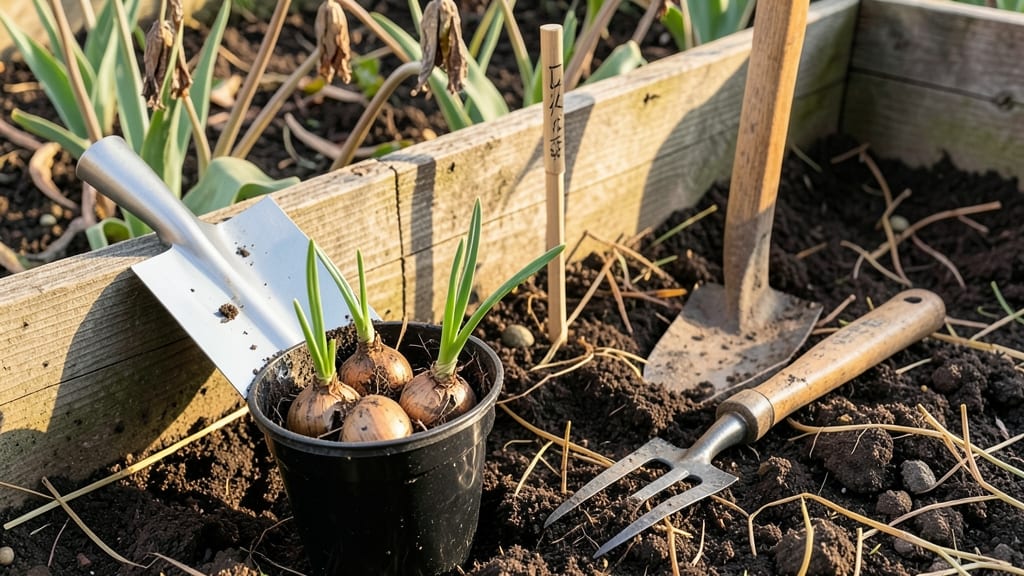
Timing is everything when it comes to planting potted tulips in the ground—get it wrong, and you might end up with weak stems or no blooms at all.
The key to vibrant spring flowers lies in understanding the exact weeks before frost that give your bulbs the best chance to root and thrive.
If you're in USDA Zone 6a, like many gardeners, the ideal window opens between September and November for fall planting, or March to April in spring.
But why does this matter? Because planting too early exposes tender roots to frost, while waiting too late can stunt growth before winter sets in.
I’ll walk you through the science-backed timing formula, including how to check soil temperature and recognize when your potted tulips are truly ready for the ground.
Whether you're a seasoned gardener or just starting, these steps will help you avoid common mistakes and ensure your tulips burst into color next spring.
Ready to transform your garden? Let’s dive into the exact weeks, signs, and care tips that make all the difference—so you can enjoy stunning blooms year after year without the guesswork.
Exact weeks before frost to plant potted tulips for best results
Planting potted tulips in the ground at the perfect time ensures strong roots and stunning spring blooms. The ideal window is 6-8 weeks before your first hard frost, when soil temperatures drop to 50°F (10°C).
This timing lets bulbs establish roots without freezing, giving you vibrant, long-lasting flowers next season.
For most USDA Zones 3-7, this means planting between mid-September and mid-November for fall planting. If you missed that window, spring planting (March-April) is your second chance—just aim for 2-3 weeks before last frost to avoid weak growth.
Your hardiness zone dictates the exact timing. For example, Zone 5 gardeners should plant by October 15, while Zone 8 can extend until December 1. Use your local frost date as your anchor—count backward from there.
Soil temperature is just as critical as frost dates. Tulip bulbs need cool soil (40-50°F) to root but won’t tolerate freezing. Use a soil thermometer to confirm readiness—plant when temps stabilize in this range for 3-5 days.
Mature tulip bulbs (those with 2-3 inches of roots) transplant best. Smaller bulbs or those with fewer than 2 inches of roots may struggle to establish before winter. Check roots by gently removing the bulb from its pot—if they’re thin and sparse, wait a few weeks.
Pro tip: Fall-planted tulips bloom earlier and more reliably than spring-planted ones. The 6-8 week rule gives roots time to anchor before winter dormancy, while spring planting risks weak stems and fewer blooms.
🌷 Tulip Planting Timeline by Zone
| Zone | Ideal Planting Window | Soil Temp Goal | Weeks Before Frost |
|---|---|---|---|
| 3-4 | Mid-Sept to Oct 15 | 40-50°F (4-10°C) | 8-10 weeks |
| 5-6 | Late Sept to Nov 1 | 45-55°F (7-13°C) | 6-8 weeks |
| 7-8 | Oct 15 to Dec 1 | 50-60°F (10-15°C) | 4-6 weeks |
| Spring Planting (All Zones) | 2-3 weeks before last frost | 50-60°F (10-15°C) | N/A |
💡 Use your local frost date as your starting point—count backward from there!
If you’re unsure about your frost date, local nurseries or agricultural extensions can provide exact timelines. Alternatively, use a frost calendar app to set reminders for your zone. Missing the window? Spring planting still works, but expect slightly smaller blooms.
Once you’ve nailed the timing, soil preparation is key. Tulips thrive in well-draining soil with a pH of 6.0-7.0. Amend heavy clay with compost or sand, and avoid soggy spots where bulbs could rot. A 2-inch layer of mulch after planting helps insulate roots over winter.
After transplanting, water deeply to settle soil around roots, then reduce watering to once a week until spring. Overwatering now can lead to rot or weak stems. In spring, resume watering when shoots emerge—this fuels stronger blooms.
Timing isn’t just about frost dates—it’s about giving your tulips the perfect head start. By following this 6-8 week rule and adjusting for your zone, you’ll enjoy healthier plants and bigger blooms every spring. Happy planting! 🌷
Signs your potted tulips are ready for ground planting (before frost)
Planting potted tulips at the right time ensures strong roots and vibrant blooms next spring. But how do you know when they’re truly ready? Look for these three key signs that your tulips are primed for transplanting—without waiting too late.
First, check the leaf growth stage. Healthy tulips will have 3-4 mature leaves that stand upright, not floppy. If the leaves are still small or curled, hold off on planting—your bulbs need time to establish roots before winter.
Next, examine the root development. Gently remove the tulip from its pot and inspect the roots. If you see white, fibrous roots filling the container, it’s time to plant. Roots that are sparse or brown signal stress, meaning your tulip isn’t ready yet.
Finally, watch for environmental cues. Tulips thrive when soil temperatures drop to 50-60°F (10-15°C). Use a soil thermometer to confirm—this is your green light to transplant. Planting too early in warm soil can shock the bulbs.
| Sign | What to Look For | Action |
|---|---|---|
| Leaf Growth | 3-4 mature, upright leaves | Ready to plant |
| Root Development | White, fibrous roots filling pot | Plant immediately |
| Soil Temperature | 50-60°F (10-15°C) | Ideal planting window |
Don’t ignore the weather forecast either. Aim to plant 4-6 weeks before the first hard frost in your area. This gives roots time to anchor before winter sets in. For example, in USDA Zone 6a, that’s typically late September to early October.
If you’re unsure, err on the side of caution. A tulip planted too early can rot in warm soil, while one planted too late may not establish roots before frost. Balance is key—trust your leaves, roots, and soil thermometer to guide you.
Once you’ve confirmed readiness, dig a hole twice as wide as the pot but only 6 inches deep. Place the tulip in gently, cover with soil, and water thoroughly. With the right timing, you’ll reward yourself with bold, healthy blooms next spring.