
Plants
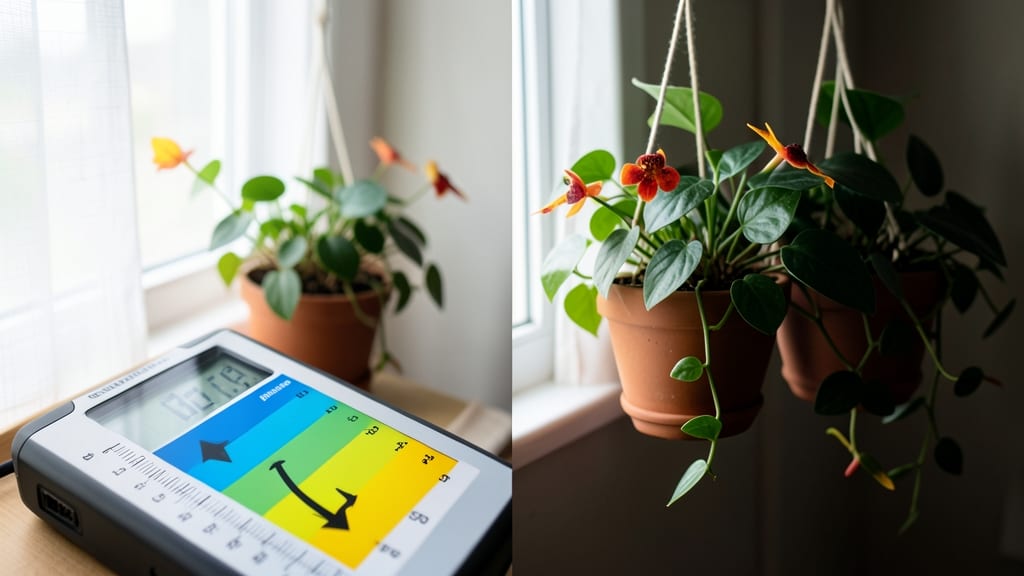
If you’re wondering how much light does a goldfish plant need, the answer is simple: it craves bright, indirect sunlight—but too much direct exposure can turn its leaves crispy faster than you can say "sunburn."
I’ve watched my own Goldfish Plant transform from a sad, leggy mess to a vibrant, cascading showstopper by making just a few simple light adjustments. The key isn’t harsh sunlight or dim corners—it’s finding that sweet spot where your plant gets enough energy to flourish without getting stressed.
Let me show you exactly how to spot the perfect light conditions for your space.
Whether you’re dealing with a dim apartment, a south-facing window that’s too intense, or even artificial lighting, I’ll break down the signs your Goldfish Plant is begging for better light.
You’ll learn how to tweak your setup—like rotating the pot or using sheer curtains—to keep those leaves lush and those flowers popping.
Ready to turn your Goldfish Plant into the star of your home? Let’s dive into the light secrets that’ll have it thriving in no time—no guesswork required.


Ideal light requirements for Goldfish Plant growth: bright indirect sunlight explained
The Goldfish Plant (Columnea microphylla) thrives in bright indirect sunlight, making it perfect for indoor gardeners with limited direct light. Unlike sun-loving succulents, this plant avoids harsh afternoon rays that can scorch its delicate leaves.
Think of it as the Goldilocks of houseplants—not too dim, not too intense, but just right!
In nature, Goldfish Plants grow as epiphytes in the dappled shade of tropical forests, where sunlight filters through leaves above. Recreating this environment indoors ensures your plant stays vibrant and healthy without risking sunburn. The key is finding that sweet spot where light is abundant but diffused.
Here’s how to identify the perfect light conditions for your Goldfish Plant:
Your Goldfish Plant needs about 4-6 hours of bright indirect light daily. Morning sunlight is ideal because it’s gentler than the intense afternoon rays. If you notice yellowing leaves or brown spots, it’s a clear sign of too much direct sun.
Conversely, if the plant stretches toward the light with long, bare stems, it’s craving more brightness.
Seasonal changes also affect light exposure. During winter months, daylight is shorter and weaker, so supplement with a grow light if your plant starts looking weak. In summer, use sheer curtains to filter harsh rays while still allowing plenty of light to reach the leaves.
Rotate your plant every few weeks to ensure even growth.
Pro tip: Place your Goldfish Plant 1-3 feet away from an east-facing window for optimal conditions. This distance balances light intensity and prevents leaf burn. If your home lacks natural light, a full-spectrum LED grow light can mimic sunlight effectively, especially in low-light environments like basements or offices.
Watch for these 3 key signs your Goldfish Plant is getting the right light: dark green leaves, compact growth, and occasional flower spikes. These indicate your plant is happy and thriving in its current light setup.
Adjust gradually if you need to move it to a new spot—sudden changes can shock the plant.
Remember, the goal is to mimic the dappled shade of its natural habitat. With the right light, your Goldfish Plant will reward you with lush foliage and stunning tubular flowers that resemble goldfish—hence the name! 🐟
Ideal light requirements for Goldfish Plant growth: bright indirect sunlight explained
The Goldfish Plant (Columnea microphylla) thrives in bright indirect sunlight, making it perfect for east-facing windows or spots with filtered light. This tropical beauty mimics its natural understory habitat, where dappled sunlight filters through tree canopies.
Without the right light, your plant may develop stretched stems or pale leaves—clear signs it's reaching for more light.
Direct afternoon sun can scorch its delicate foliage, causing brown crispy edges, while too little light leads to yellowing leaves and weak growth. The key is finding that sweet spot where your Goldfish Plant gets 4-6 hours of bright, diffused light daily.
Think of it like a sunbathing session under a sheer curtain—plenty of light without the harsh rays.
| Light Condition | Ideal Setup | Plant Response |
|---|---|---|
| Bright Indirect Light | East-facing window, 1-3 feet away | Vibrant foliage, healthy growth |
| Low Light | North-facing window or dim corner | Leggy stems, pale leaves |
| Direct Sunlight | South/west window without filter | Brown leaf tips, wilting |
Seasonal changes affect light intensity—winter's weaker sun means your Goldfish Plant may need to move closer to the window, while summer's stronger rays require sheer curtains to prevent leaf burn.
Rotate your plant quarter-turns weekly to ensure even light exposure on all sides, preventing lopsided growth. This simple habit keeps your plant compact and bushy.
Watch for these light-related clues: dark green leaves with red edges indicate ideal conditions, while all-green leaves suggest it needs more light. If you notice white or yellow patches, your plant is getting too much direct sun.
Adjust its position gradually—sudden changes can shock the plant and cause leaf drop.
For indoor growers, LED grow lights (12-15 inches away) can supplement natural light during cloudy days. Aim for 12-14 hours of light daily if using artificial sources, mimicking a longer growing season.
Remember, consistency is key—your Goldfish Plant will reward you with showy, fish-shaped blooms when given the perfect light balance.
Pro tip: Place your Goldfish Plant near a west-facing window in spring/fall when morning sun is gentler. This transitional spot provides the perfect mix of brightness and protection as daylight hours change throughout the year.