
Plants
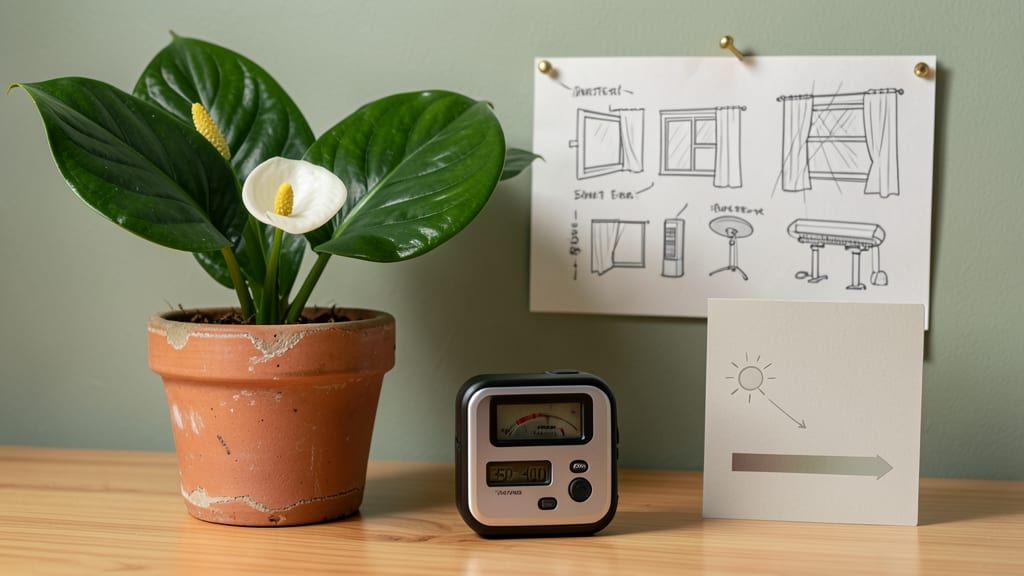
Peace lily light requirements: ideal conditions for healthy growth
Peace lilies (Spathiphyllum) are famous for thriving in spaces where other plants fail, but their light needs are often misunderstood. Unlike sun-loving plants, peace lilies prefer low to bright indirect light, making them perfect for dim corners or offices.
Too much direct sun causes leaf burn, while insufficient light leads to weak growth and sparse blooms.
The key is finding a balance—think of dappled shade under a tree or soft morning light near a north-facing window. Even artificial light works if it’s bright enough, like a grow bulb 2-3 feet away. Avoid south- or west-facing windows, where harsh afternoon rays can scorch delicate foliage.
Here’s the breakdown of what your peace lily truly needs to flourish:
| Requirement | Specification |
|---|---|
| Ideal Light Type | Bright indirect light or low light |
| Daily Light Hours | 2-4 hours of filtered light |
| Best Window Placement | North-facing or east-facing windows |
| Distance from Window | 3-6 feet away (prevents leaf burn) |
| Artificial Light Alternative | LED grow bulb (12+ inches away) |
| Avoid At All Costs | Direct sunlight or harsh overhead lights |
If your home lacks natural light, don’t despair—a peace lily can adapt to artificial lighting as long as it mimics natural conditions. Place it under a fluorescent or LED bulb (6000K color temperature) for 12-14 hours daily.
Rotate the pot every few weeks to ensure even growth, as peace lilies lean toward light sources.
Seasonal adjustments are minimal, but watch for longer daylight hours in summer. If you notice leaves turning pale or stretching toward light (etiolation), move the plant slightly farther from the window or add a sheer curtain to diffuse intensity.
In winter, supplement with a grow light if natural light drops below 2 hours daily.
Common mistakes include placing peace lilies in dark closets or under harsh desk lamps. Both extremes stress the plant, leading to yellowing leaves or stunted growth. Test your spot by holding a piece of paper near the plant—if the shadow is sharp, the light is too direct.
If it’s fuzzy, you’ve found the perfect balance.
Pro tip: Peace lilies also love humidity, so pairing them with a north-facing bathroom or kitchen window doubles their chances of thriving. The steam from showers or cooking creates a microclimate they adore.
Remember, a happy peace lily isn’t just about light—it’s about consistency. Once you find the sweet spot, your plant will reward you with glossy leaves and frequent white blooms year-round.
Peace lily light requirements: ideal conditions for healthy growth
The peace lily (Spathiphyllum) is famous for thriving where other plants fail, but its light needs are the key to unlocking its full potential. Unlike sun-loving plants, peace lilies prefer bright indirect light—think of it as the perfect balance between too dark and too harsh.
This adaptable plant can even survive in low-light conditions, but it won’t bloom or grow as vigorously without the right setup.
In nature, peace lilies grow under the dappled shade of forest canopies, which mimics the filtered light you should aim for indoors. A north-facing window is ideal because it provides gentle, diffused sunlight without the intense rays of south- or west-facing windows.
If your home lacks natural light, don’t worry—this plant is one of the most forgiving for indoor gardens.
Here’s the breakdown of what your peace lily truly needs: 2-4 hours of indirect light daily. This could mean placing it a few feet away from a window or using sheer curtains to soften direct sunlight.
Avoid placing it in deep shade (like a closet) or under harsh, direct sun (like a south-facing window without protection), as both extremes can stress the plant.
A common mistake is assuming peace lilies can thrive in any low-light spot, like a dim corner or basement. While they’re low-light tolerant, they won’t bloom or grow lushly without at least some indirect light.
If your home is particularly dark, consider supplementing with a grow light for 6-8 hours daily during winter months when natural light is scarce.
Rotate your peace lily quarterly to ensure even growth, as plants naturally lean toward light sources. This simple step prevents lopsided foliage and keeps your plant looking its best.
If you notice new growth leaning toward one side, it’s a clear sign your plant is searching for more light—adjust its position gradually to avoid shocking the plant.
Remember, peace lilies are forgiving, but they’re not indestructible. The goal is to strike a balance: enough light for vibrant growth, but never so much that the leaves scorch.
With the right setup, your peace lily will reward you with glossy leaves and occasional white blooms that can last for weeks. 🌿