
Plants
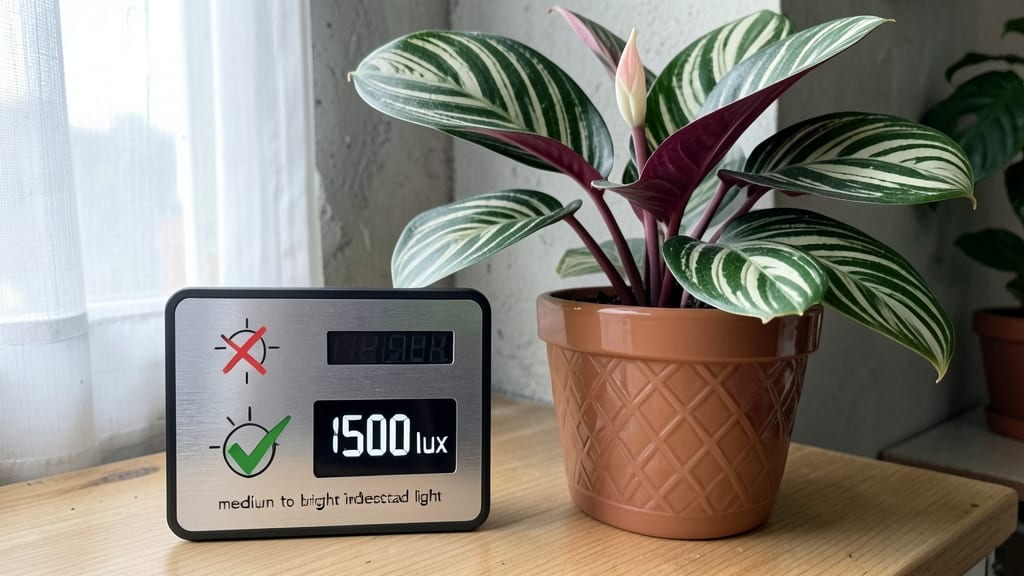
If you’re wondering how much light does a zebra plant need, the answer might be simpler than you think—this striking houseplant thrives on bright indirect sunlight, not harsh direct rays, and getting it wrong can mean faded foliage or leggy growth.
I’ve seen firsthand how the right lighting transforms a struggling Zebra Plant into a showstopper. Too much direct sun? Its leaves burn. Too little light? It stretches desperately toward any available glow.
The key is finding that sweet spot—medium indirect light—where its vibrant patterns stay crisp and its growth stays strong.
Whether you’re dealing with a dim office corner or a sun-drenched living room, I’ll show you exactly where to place your Zebra Plant for optimal results.
We’ll cover signs of light stress, the best windows for placement, and even DIY solutions for low-light spaces. Let’s get your plant the perfect glow!
By the end, you’ll know exactly how to create the ideal environment for your Zebra Plant’s health and beauty. No more guesswork—just lush, thriving foliage that steals the show in any room.


Zebra plant light requirements: the ideal balance of low to medium indirect sunlight
The zebra plant (Aphelandra squarrosa) thrives under bright indirect light, making it perfect for homes with filtered sunlight. Unlike sun-loving succulents, this tropical beauty burns easily in direct sun, causing brown leaf tips or faded stripes.
The key is mimicking its native understory habitat—think dappled forest light, not harsh midday rays.
Your zebra plant needs about 4-6 hours of indirect light daily. This means placing it near an east-facing window or a few feet back from a south-facing window.
Avoid west-facing spots, where afternoon sun can scorch its delicate leaves. Even a north-facing window works if it’s bright enough, though growth may slow.
Why indirect light? The zebra plant’s striking variegated leaves (those bold zebra stripes!) rely on filtered sunlight to maintain their vibrant contrast. Too much direct sun bleaches the foliage, while too little causes leggy growth and pale leaves. The goal is a balanced glow—like sunlight through sheer curtains.
Here’s the light spectrum breakdown for your zebra plant’s health:
- Ideal: Bright indirect (60% light intensity)
- Tolerable: Medium indirect (40-50% light)
- Avoid: Direct sun (especially afternoon) or deep shade (<30% light)
A common mistake is assuming "more light is always better". Many plant parents move their zebra plant to sunnier spots in summer, only to watch it suffer. If you notice yellowing leaves or drooping foliage, it’s often a sign of too much sun.
Rotate your plant quarter-turns weekly to ensure even growth and prevent it from leaning toward the light source.
For indoor growers, supplement low-light areas with a LED grow light (12-14 hours daily). Place it 12-18 inches above the plant and use it alongside natural light. Avoid fluorescent bulbs—they emit too little blue spectrum light, which zebra plants need for healthy foliage.
Outdoor zebra plants (in warm climates) should never face hot afternoon sun. Instead, position them under a dappled shade tree or on a covered patio. Even a sheer curtain over a balcony can save your plant from sunburn. Remember, zebra plants are tropical understory dwellers, not desert survivors!
Pro tip: Test your light spot by holding a white piece of paper near the plant. If the shadows are sharp and dark, it’s too direct.
If the shadows are soft and fuzzy, you’ve found the perfect indirect light zone. Adjust until you see those bold zebra stripes popping with color!
If your zebra plant starts looking leggy or stretched, it’s begging for more light. Move it closer to a window (but not in direct sun) or add a grow light.
Conversely, if the leaves curl or crisp, it’s getting too much sun—immediately move it to a shadier spot. Balance is everything!
Zebra plant light requirements: the ideal balance of low to medium indirect sunlight
The zebra plant (Aphelandra squarrosa) thrives in bright indirect light, making it perfect for homes with filtered sunlight. Unlike sun-loving plants, its variegated leaves (those striking zebra stripes!) actually burn in direct sun, causing unsightly brown patches.
Think of it as a plant that enjoys a gentle morning glow rather than harsh afternoon rays.
Most gardeners mistakenly assume more light is always better, but zebra plants are tropical natives that prefer dappled shade similar to their natural understory habitat. Even a south-facing window can be too intense unless you add a sheer curtain to diffuse the light.
The key is mimicking the soft, diffused light found beneath taller trees in their native South American forests.
🌱 Zebra Plant Light Requirements Summary
| Requirement | Specification |
|---|---|
| Ideal Light | Bright indirect light (60% sunlight) |
| Direct Sun Tolerance | Only morning sun (max 2 hours) |
| Minimum Light | Low to medium indirect (40% sunlight) |
| Danger Zone | Direct afternoon sun or artificial bright lights |
To test if your spot is right, place your hand near the plant during peak sunlight hours. If you can comfortably read a book under that light, it's perfect.
If the light feels too harsh or too dim, your zebra plant will tell you through its leaves—either by stretching toward the light (leggy growth) or developing pale, washed-out stripes.
Pro tip: Rotate your plant quarter-turns weekly to ensure even growth and prevent it from leaning toward one light source.
For indoor growers, east-facing windows are ideal because they provide gentle morning light without the intensity of afternoon sun. If you only have north-facing windows, supplement with a 10-15 watt LED grow light for 6-8 hours daily.
Avoid placing your zebra plant near west or south windows during summer, as the afternoon sun can scorch its delicate foliage in as little as 2 hours of direct exposure.
Outdoor zebra plants can handle partial shade gardens, especially in hot climates where afternoon sun is relentless. I once grew mine on a covered patio with a 50% shade cloth during summer months, and it flourished with bold, vibrant stripes all season long.
The secret? Morning sun + afternoon shade is the golden rule for outdoor zebra plants.
Remember, zebra plants are not low-light plants—they need brightness, just not direct sun. Think of it like sunbathing through a window screen: you get the light without the harshness.
With the right light, your zebra plant will reward you with glossy leaves and striking patterns that make it a showstopper in any room.