
How To
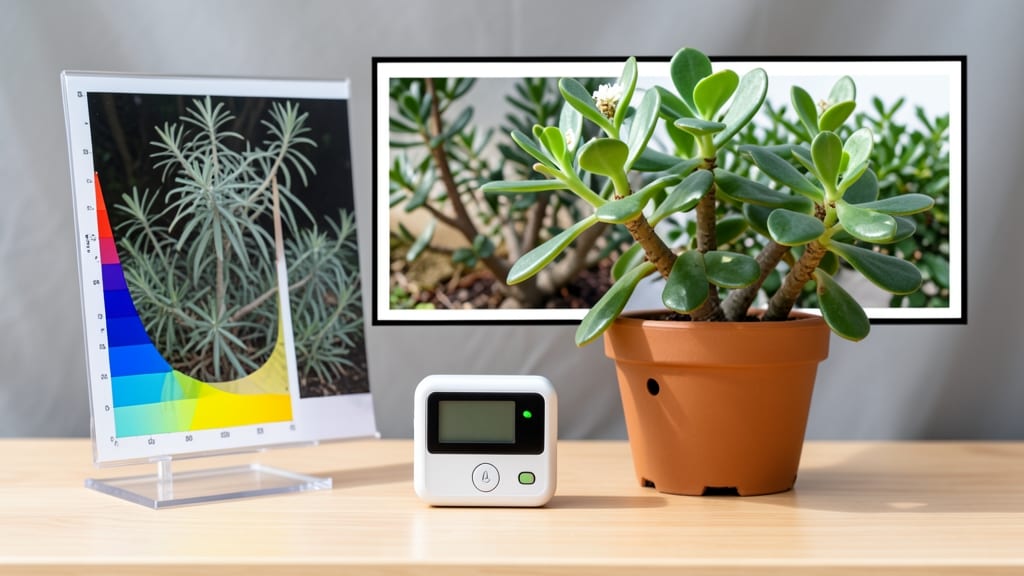
If your 🌿 Jade Plant looks sad—stretching toward the window or sporting pale, weak leaves—you’re probably dealing with how much light the Jade Plant needs. The good news? Getting this right is simpler than you think, and it’s the key to those thick, glossy leaves everyone envies.
Jade plants thrive in bright indirect sunlight, but too much direct sun can scorch their leaves while too little leaves them leggy and weak. Whether you’re placing yours by a sunny window or outdoors, understanding these light needs will transform your plant’s health in just a few weeks.
I’ll break down exactly how much light your Jade Plant needs—from morning sun to afternoon shade—and show you how to spot (and fix) common light mistakes. No guesswork, just actionable tips to keep your plant happy year-round.
Ready to give your Jade Plant the perfect light setup? Let’s dive into the details so you can enjoy a thriving, vibrant plant that’s the star of any room.


Jade plant light requirements: the perfect balance of bright indirect sunlight
Your jade plant thrives in bright indirect sunlight, but finding that sweet spot can feel tricky. Too little light, and your plant stretches toward the window like a sleepy cat reaching for sunlight.
Too much direct sun, and those gorgeous succulent leaves can scorch like overcooked toast. The key is mimicking its natural South African habitat, where it grows under trees filtering harsh rays.
For optimal growth, aim for 4-6 hours of bright indirect light daily. Think of it like a sunbathing session—just enough to keep your plant happy without frying it. Morning sun is ideal, while afternoon rays are often too intense.
If your jade plant starts looking leggy or pale, it’s begging for more light. But if the leaves turn yellow or brown with crispy edges, you’ve overdone it.
🌱
If you’re placing your jade plant near a window, east-facing spots are gold—they offer gentle morning light without the harsh afternoon heat. North-facing windows work too, but your plant might grow slower.
Avoid south-facing windows unless you’re committed to filtering that sun with a sheer curtain or moving the plant back 3-4 feet from the glass.
Seasonal changes matter too. In summer, your jade plant might need extra shade, especially if temperatures climb above 85°F (29°C). Move it to a spot with dappled shade or use a light-colored curtain to diffuse the intensity.
Conversely, in winter, supplement natural light with a grow bulb if days grow short—your plant won’t hibernate like some succulents!
Pro tip: Rotate your jade plant quarter-turns every 2-3 weeks to ensure even growth. Plants lean toward light sources, and without rotation, you’ll end up with a lopsided succulent tree instead of a balanced beauty. Think of it like giving your plant a gentle sunbathing massage!
Watch for these light stress signs to keep your jade plant thriving: Etiolation (stretched stems) means more light, while sunburnt leaves (brown patches) signal it’s getting too much. Adjust gradually—sudden changes can shock your plant, just like moving from a dim office to a beach vacation overnight.
🪴
How to adjust your jade plant’s light exposure for year-round success
Adjusting your jade plant’s light exposure isn’t just about placing it near a window—it’s about creating the perfect balance for every season. Indoor setups often struggle with inconsistent light, while outdoor plants face harsh summer sun or weak winter rays.
I’ve learned the hard way that even a few degrees of window rotation can make all the difference between a thriving jade plant and one that’s struggling to survive.
Start by evaluating your space. East-facing windows provide gentle morning light, ideal for jade plants, while south-facing windows can scorch leaves by midday. If your plant is near a south window, move it back 3-4 feet or use a sheer curtain to diffuse the intensity.
For north-facing windows, place your jade plant within 1-2 feet to maximize light exposure without risking burn.
Jade plants in direct afternoon sun (1 PM - 5 PM) will develop brown, crispy patches on leaves within weeks. These aren’t just cosmetic—they’re signs of sunburn that weaken the plant.
If you notice these, move your plant immediately to indirect light or filter the sunlight with a white lace curtain.
For outdoor cultivation, seasonal adjustments are key. In spring and fall, your jade plant can handle 3-4 hours of direct morning sun, but during summer’s peak intensity, provide afternoon shade with a lightweight shade cloth (30-50% coverage).
In winter, bring potted jade plants indoors if temperatures drop below 50°F (10°C), as cold drafts can stress the plant.
Don’t overlook grow lights for low-light spaces. If your home lacks natural light, a 12-14 hour photoperiod with a full-spectrum LED grow light (6,500K color temperature) can mimic ideal conditions.
Position the light 6-12 inches above the plant and adjust the height as it grows to prevent etiolation (those sad, stretched stems).
Finally, perform a monthly light audit to catch issues early. Check for:
- Leggy growth (sign of low light)
- Yellowing leaves (often overwatering + low light)
- Reddish leaves (early sunburn)
- Curling edges (possible underwatering + high light)
With these adjustments, your jade plant will thrive year-round, boasting thick, glossy leaves and compact growth. The key is observation and flexibility—your plant will tell you what it needs if you listen closely. 🌿