
Size
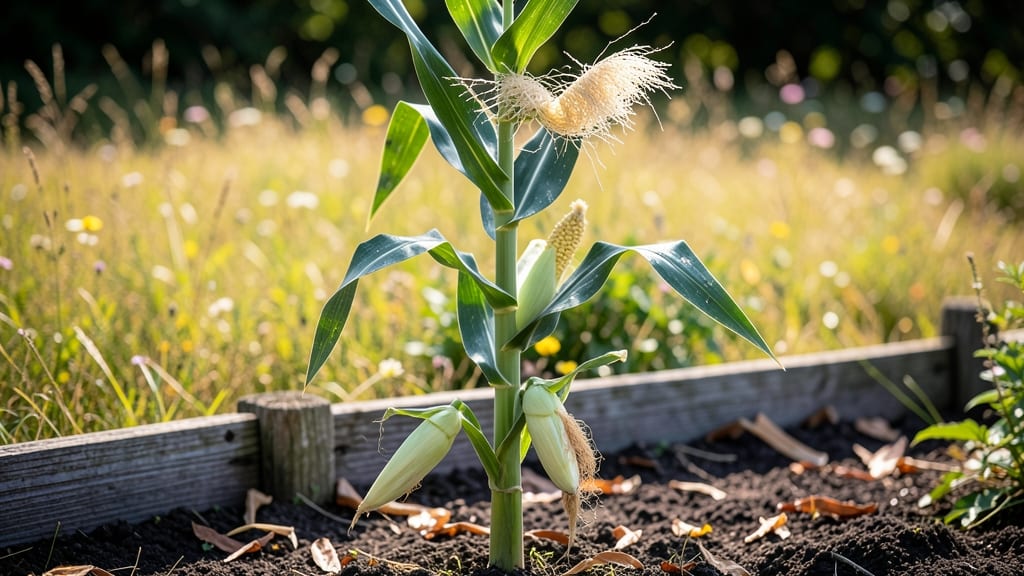
If you’ve ever wondered just how tall a corn plant can grow, the answer might surprise you—especially when you consider the dramatic differences between varieties like 🌽 Baby Blue and towering Country Gentleman stalks.
While most gardeners picture corn reaching 6 to 12 feet, some ornamental types can stretch even higher, while dwarf varieties stay compact enough for containers.
The height of your corn isn’t just about genetics—soil quality, sunlight, and even spacing play a huge role in whether your plants will reach their full potential.
In USDA Zone 6a, where spring planting kicks off in April, giving your corn the right conditions can mean the difference between 5-foot stalks and ones that dwarf your fence line.
Whether you’re dreaming of a backyard cornfield or just need a few stalks for summer meals, knowing how to encourage (or limit) growth is key. I’ll break down the factors that shape corn height, from variety selection to care tips that’ll help you grow the perfect stalks for your space.
Ready to transform your garden? Let’s explore how to coax your corn to the heights you want—without sacrificing yield or beauty.


Corn plant height ranges by variety: from dwarf to giant stalks
Corn plants can transform your garden into a dramatic vertical display, with heights ranging from compact dwarf varieties to towering giant stalks.
The variety you choose directly impacts how tall your corn will grow, so let’s explore the spectrum from pint-sized ornamental corn to field corn giants that can rival cornfield stalks.
Most gardeners grow sweet corn varieties, which typically reach 6 to 12 feet at maturity. However, some specialty types—like ornamental corn or dwarf varieties—stay much shorter, making them ideal for containers or small spaces.
Understanding these differences helps you plan your garden layout and choose the right variety for your goals.
Here’s a quick look at how corn heights vary by type, along with their unique characteristics and growing needs:
For example, the 'Baby Blue' ornamental corn stays a manageable 4–5 feet tall, perfect for adding color to your fall garden or using as dried decor.
In contrast, 'Country Gentleman', a popular heirloom variety, can soar to 12–15 feet, making it a statement piece in spacious gardens or farm settings.
If you’re growing corn in containers or raised beds, opt for dwarf varieties like 'Golden Bantam' (4–5 feet) or 'Temptation' (5–6 feet). These stay small enough to thrive in large pots while still producing sweet, tender ears.
Just ensure your container has at least 12–18 inches of depth to accommodate the roots.
On the other end of the spectrum, field corn varieties like 'Mangels' or 'Reid Yellow Dent' can reach 10–12 feet or taller. These are often grown for animal feed or cornmeal but can also be a striking feature in a rural or permaculture garden.
If you’re aiming for a cornfield effect, these varieties deliver the dramatic height you’re looking for.
Even within sweet corn categories, heights can vary. Early-season varieties like 'Silver Queen' tend to stay on the shorter side (6–8 feet), while late-season types like 'Peaches and Cream' can stretch toward 10 feet.
Always check the seed packet for mature height estimates to plan your garden layout accordingly.
One variety that often surprises gardeners is 'Glass Gem' corn, a stunning ornamental type with colorful, translucent kernels. While it only grows to 5–6 feet, its vibrant hues and unique appearance make it a favorite for cut flower arrangements and dried corn displays.
It’s a great choice if you want height without the bulk of traditional corn.
🌽
Factors that influence corn plant height: soil, climate, and care
Corn plants are like sky-scrapers in your garden—their height isn’t set in stone. The soil quality, climate conditions, and even your care routines play starring roles in how tall those stalks grow.
Let’s dig into the key factors that can make your corn reach new heights—or stay shorter than expected.
First, nutrient levels in your soil are critical. Corn is a heavy feeder, especially needing nitrogen for leafy growth and phosphorus for root development. A soil test can reveal deficiencies, but a balanced 10-10-10 fertilizer applied every 4-6 weeks will keep your plants growing strong.
Without enough nutrients, stalks may stay stunted or lean.
Next, watering consistency is non-negotiable. Corn plants need 1-2 inches of water weekly, especially during tasseling and ear development. Too little water stunts growth, while overwatering can lead to weak stalks prone to lodging (falling over). Water deeply in the morning to avoid fungal issues and keep roots hydrated.
Sunlight exposure is another game-changer. Corn thrives in full sun (6-8 hours daily), but insufficient light leads to spindly, weak stalks. If you’re growing corn in containers or urban spaces, prioritize the sunniest spot available.
Partial shade can reduce height by 30-50%, turning your towering dreams into a mid-sized garden feature.
Don’t overlook planting density. Crowded corn plants compete for nutrients and light, often resulting in shorter, weaker stalks. Space standard varieties 12-18 inches apart in rows 2-3 feet apart. Overcrowding isn’t just bad for height—it also reduces ear size and quality.
Finally, climate and temperature matter. Corn loves warmth—ideal growing conditions are between 70-85°F. Cooler temperatures slow growth, while extreme heat can stress plants. If you’re in a shorter growing season, choose early-maturing varieties to maximize height before frost sets in.
By tuning these factors, you can coax your corn plants to reach their full potential—or keep them shorter for container gardening. Experiment with different varieties and conditions to see what works best in your space! 🌽