
How To
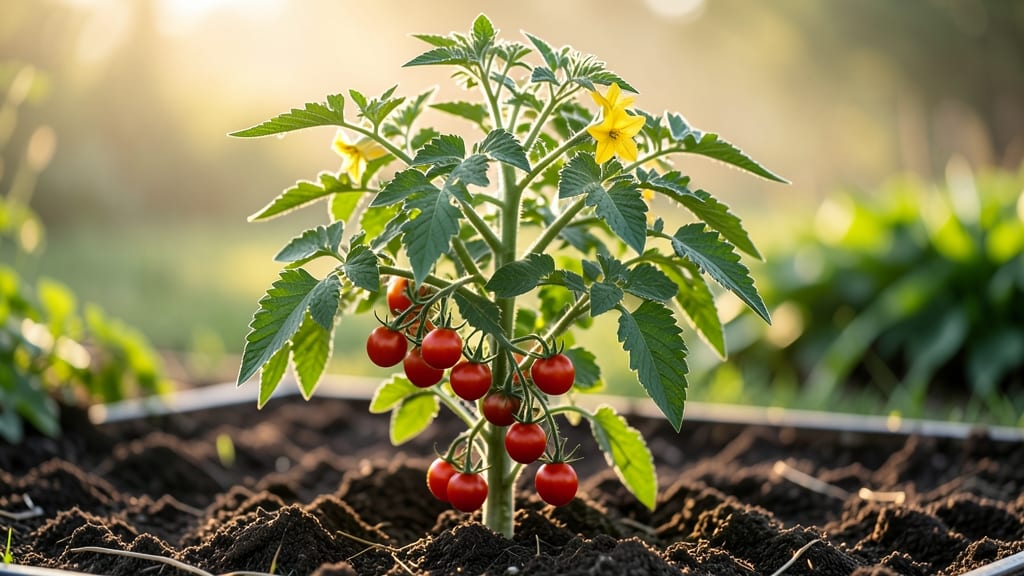
If you’ve ever wondered how tall does a cherry tomato plant grow before committing to a garden spot, the answer might surprise you—these little 🍅 powerhouses can be both compact and surprisingly productive, depending on the variety and care you give them.
Most gardeners assume cherry tomato plants need plenty of space, but the truth is, some varieties stay as short as 2 feet while others can stretch toward 6 feet if left unchecked.
The key lies in choosing the right type for your space and learning a few simple tricks to keep them in check.
Whether you’re working with a tiny balcony container or a sprawling backyard, understanding these growth patterns will help you maximize your harvest without sacrificing precious square footage. I’ll break down everything you need to know to pick the perfect variety and manage its height for the best results.
From dwarf varieties that barely reach knee-high to towering indeterminate types that need support, we’ll cover how to control growth naturally—so you can enjoy those sweet, bite-sized tomatoes without the space struggle. Let’s get started!


Cherry tomato plant height guide: compact varieties and their growth ranges
Cherry tomato plants are famous for their space-saving nature, but their height can still vary dramatically depending on the variety and growing conditions. While some sprawl up to 6 feet without support, others stay neatly under 2 feet—perfect for containers or small gardens.
Understanding these differences helps you choose the right plants for your space while maximizing yield.
Most cherry tomatoes fall into two growth categories: determinate (bush-type) and indeterminate (vining). Determinate varieties grow to a fixed height and stop producing fruit once they mature, while indeterminate types keep growing and fruiting all season long.
This distinction directly impacts how tall your plants will get and whether you'll need support structures.
For small-space gardeners, dwarf and semi-dwarf varieties are game-changers. These compact plants often top out at 2-3 feet, making them ideal for balconies, patios, or even windowsills. Even full-size varieties, however, can be managed with proper pruning and trellising to fit tight spaces without sacrificing productivity.
Here’s a quick look at how different cherry tomato types compare in height, along with their best uses:
| Variety Type | Height Range | Best For | Support Needed? |
|---|---|---|---|
| Dwarf (Determinate) | 1.5–3 ft | Containers, windowsills, small gardens | No (or minimal) |
| Semi-Dwarf (Determinate) | 3–4 ft | Balconies, raised beds, small plots | Optional (cages or stakes) |
| Indeterminate (Vining) | 4–10+ ft (without control) | Trellises, fences, vertical gardens | Yes (essential) |
If you’re growing indeterminate cherry tomatoes, their height can quickly become unmanageable without intervention. Left unchecked, these vining varieties can reach 8-10 feet, sprawling across your garden like a jungle.
But with the right support—like a sturdy trellis or cage—you can guide their growth vertically, saving space and making harvesting easier.
For determinate varieties, height is less of a concern because they naturally stay compact. This makes them ideal for container gardening or areas where you want to avoid tall structures.
Varieties like 'Tiny Tim' or 'Micro Tom' are perfect for this, often staying under 2 feet tall while still producing a surprising number of sweet, bite-sized tomatoes.
One common misconception is that shorter plants yield fewer tomatoes. In reality, dwarf varieties often produce just as many (or even more) fruits per square foot than their taller counterparts, especially when given proper care.
The key is choosing a variety that matches your space and growing conditions—whether that’s a 5-gallon pot on your patio or a raised bed in your backyard.
When planning your garden layout, consider how much vertical space you’re willing to dedicate to your cherry tomatoes. If you’re short on ground space, vertical gardening with trellises or espalier techniques can turn a small area into a high-yielding tomato paradise.
Even a simple tomato cage can make a big difference in keeping plants contained and organized.
Finally, don’t overlook the role of pruning in managing height. Regularly pinching back suckers (the small shoots that grow between the main stem and branches) encourages bushier growth and can keep indeterminate varieties from getting too tall.
This simple technique also improves air circulation, reducing the risk of disease and boosting overall plant health.
With the right variety and a little planning, you can enjoy a bountiful harvest of cherry tomatoes—no matter how limited your space. Whether you’re growing in pots, hanging baskets, or a tiny backyard plot, these compact powerhouses prove that great things really do come in small packages. 🌱
Cherry tomato plant height guide: compact varieties and their growth ranges
Cherry tomato plants come in a surprising range of heights, from dwarf varieties that barely reach your knees to indeterminate types that can climb like vines. The key difference lies in their growth habits: determinate varieties stay compact and bushy, while indeterminate ones keep growing until frost.
Knowing these distinctions helps you choose the perfect fit for your space, whether you're working with a 5-gallon container or a raised bed.
For balcony gardeners or small-space growers, dwarf cherry tomatoes like 'Tiny Tim' or 'Micro Tom' are game-changers. These varieties typically max out at 2-3 feet, making them ideal for window boxes or hanging baskets.
Meanwhile, standard determinate types usually reach 3-4 feet, perfect for container growing with proper support. Indeterminate varieties, on the other hand, can easily exceed 6 feet if given the right conditions.
| Variety Type | Mature Height | Best For | Growth Habit |
|---|---|---|---|
| Dwarf (e.g., 'Tiny Tim') | 2-3 ft | Containers, balconies | Determinate |
| Semi-Dwarf (e.g., 'Balcony Red') | 3-4 ft | Small gardens, raised beds | Determinate |
| Standard (e.g., 'Sweet Million') | 4-5 ft | In-ground, large containers | Determinate |
| Indeterminate (e.g., 'Sun Gold') | 6-10+ ft | Trellises, cages, vertical gardens | Indeterminate |
If you're growing cherry tomatoes in containers, always choose a variety that matches your pot size. A 5-gallon container works well for dwarf varieties but would feel cramped for indeterminate types.
For small-space gardening, look for labels that specify "bush" or "compact" growth habits—these are specifically bred to stay small while still producing abundant fruit. Remember, even compact varieties benefit from proper pruning and support structures to maximize airflow and yield.
Another factor that influences height is your climate zone. In warmer regions (zones 9-11), indeterminate varieties may grow taller and produce longer into the season. Meanwhile, in cooler climates (zones 3-6), even indeterminate types might stay shorter due to shorter growing seasons.
Always check your seed packet for days to maturity—this tells you how long the plant will keep producing before needing a frost break.
For those with limited vertical space, consider espalier training or cage systems that keep plants contained while allowing them to grow upward. Even determinate varieties can benefit from light staking to prevent sprawling.
The key is to match your growth expectations with your available space—whether that means choosing a dwarf variety for your patio or installing a sturdy trellis for a climbing indeterminate type.
One common misconception is that shorter plants produce fewer tomatoes. In reality, compact varieties often yield just as much (or more!) per square foot than their taller counterparts when given proper care.
The secret lies in their bushier growth habit, which allows more fruit clusters to develop within a smaller footprint. With the right variety and care, you can enjoy a bountiful harvest even in the smallest of spaces!