
Plants
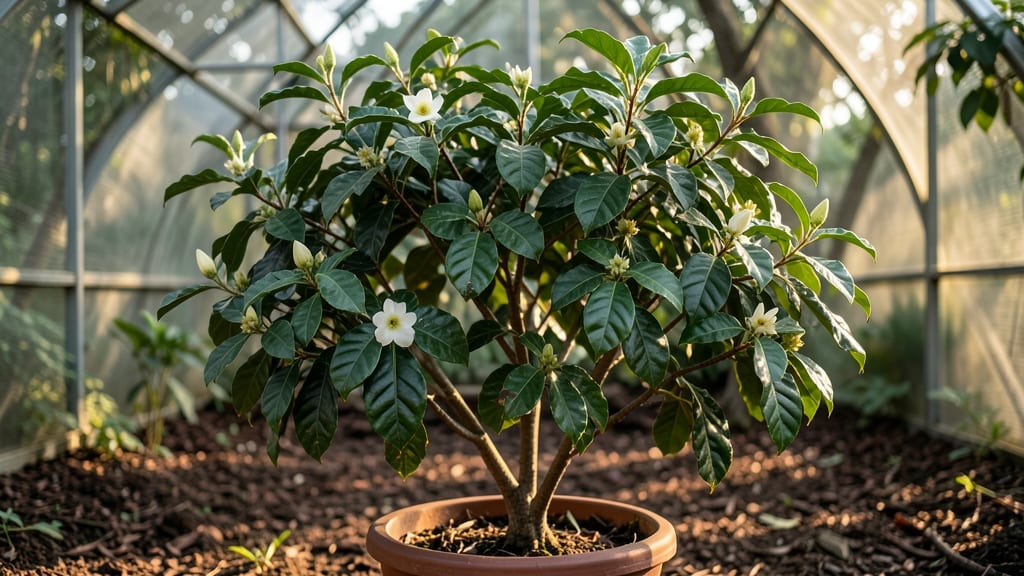
If you’ve ever wondered how tall does a coffee plant grow, you’re not alone—this question separates dreamers from planners when it comes to growing ☕ your own coffee.
Some varieties can stretch taller than a basketball hoop, while others stay manageable for backyard gardens, making the difference between a manageable hobby and a jungle takeover.
The truth is, coffee plants don’t follow a one-size-fits-all rule. Whether you’re growing the delicate Arabica or the hardy Robusta, their mature height depends on where you live, how you prune them, and even the variety you choose.
In tropical climates, some can reach 30 feet tall, while dwarf varieties stay under 10 feet—perfect for pots or small spaces.
But here’s the game-changer: understanding these growth patterns isn’t just about aesthetics. It directly impacts yield, ease of harvest, and even how much sunlight your plants get.
I’ll break down the exact heights by variety, growth stage, and the simple tricks to keep your coffee plants at your ideal height—whether that’s a towering tree or a compact shrub.
Ready to turn your coffee dreams into reality? Let’s dive into the heights, habits, and hacks that’ll help you grow the perfect ☕ plant for your space.


Coffee plant height by variety: Arabica vs Robusta vs Liberica
Understanding how tall your coffee plant will grow starts with knowing the variety you’re cultivating.
The three main types—Arabica, Robusta, and Liberica—each have distinct height profiles that impact your garden planning. Arabica, the most popular variety, typically reaches 6-12 feet but can grow taller in ideal tropical conditions. Robusta varieties tend to be slightly taller, often 10-15 feet, while Liberica can surpass 30 feet in wild conditions.
These differences aren’t just about aesthetics—they influence how you’ll manage your plants. Taller varieties like Liberica need more space and structural support, while shorter Arabica plants are easier to maintain in home gardens. Even within a variety, growth rates vary based on climate, soil quality, and pruning habits.
For example, a Robusta plant in a humid, tropical climate might grow 30% faster than one in a cooler, drier region.
Here’s a quick comparison to set your expectations: Imagine a 10-foot-tall coffee plant standing next to your basketball hoop—that’s the average height for many Arabica and Robusta varieties. Liberica, however, can rival the height of a 3-story building, making them better suited for large farms than backyard gardens.
If you’re growing coffee plants indoors, expect dwarf varieties to max out at 6-10 feet, making them perfect for apartment balconies or greenhouses. Even standard varieties can be pruned to stay within 8-10 feet, which is ideal for container gardening.
Just remember: pruning too aggressively can reduce yield, so balance size control with fruit production goals.
For outdoor gardens, consider your local climate. In USDA zones 10-12, coffee plants thrive year-round, but in cooler zones, they’ll need container growing or a greenhouse.
Liberica’s towering height makes it impractical for most home gardens, but its unique flavor profile is worth considering if you have the space. Arabica and Robusta, on the other hand, are far more adaptable to backyard cultivation.
One surprising fact: coffee plants grown in shade (common in Arabica cultivation) tend to grow slower but taller than those in full sun. This is why many commercial Arabica farms use shade trees—it improves bean quality while managing height.
If you’re growing coffee at home, you can mimic this by placing your plant near a large tree or using a partial shade cloth during peak sunlight hours.
Height isn’t the only factor to consider—canopy width matters too. Mature coffee plants can spread 10-15 feet wide, so plan for 6-10 feet of space between plants. This spacing ensures good airflow, reducing the risk of fungal diseases like coffee leaf rust.
In tight spaces, you might need to prune branches regularly to keep the plant contained.
Pro tip: If you’re growing coffee for home brewing, focus on Arabica varieties like Bourbon or Typica, which are more flavorful but slightly shorter than Robusta. For high-yield, bold coffee, Robusta is your best bet—just be prepared for taller growth.
Liberica is a niche choice with a unique, smoky flavor, but its height makes it a specialty crop.
Whether you’re choosing a 6-foot dwarf Arabica for your kitchen windowsill or a 15-foot Robusta for your tropical garden, knowing your plant’s height expectations will help you plan for success. Next, we’ll dive into the growth stages of coffee plants and how height changes at each phase.
Growth stages of coffee plants and their height milestones
Understanding the growth stages of coffee plants helps you predict their height at each phase. From tiny seedlings to towering mature trees, each stage brings distinct height milestones that depend on the variety and growing conditions.
Coffee plants follow a predictable growth pattern: seedling, vegetative, flowering, and fruiting. Each stage has specific height expectations that help you plan your garden layout and care routine accordingly.
Here’s a breakdown of what to expect at each stage, including how environmental factors like sunlight, soil quality, and climate influence their growth trajectory.
Environmental factors play a huge role in these milestones. For example, full sun exposure accelerates growth, while poor soil drainage can stunt a coffee plant’s height and overall health.
If you’re growing coffee plants indoors, expect slower growth due to limited space and light. Outdoor plants in tropical climates, however, can grow 3-5 feet per year under optimal conditions.
Monitor your coffee plant’s height at each stage to adjust pruning and care routines. For instance, if your plant is growing too tall too quickly, consider pruning to encourage a bushier shape and better yield.