
Plants
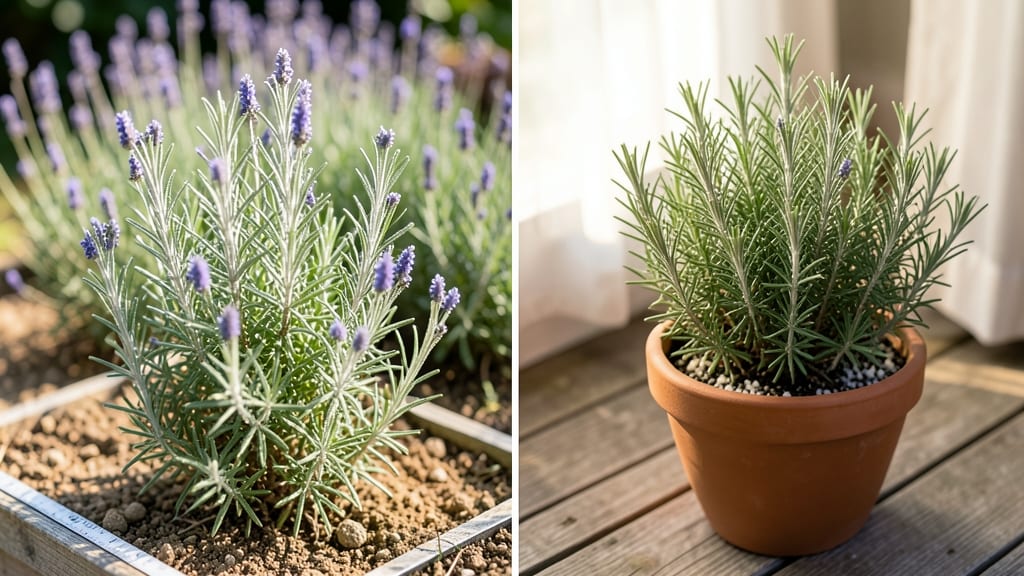
If you're wondering how tall does a rosemary plant grow, the answer might surprise you—this fragrant 🌿 herb can range from a compact 12 inches in containers to towering 6 feet when planted in the ground.
The difference isn't just about space; it's about variety, care, and where you grow it.
Most gardeners assume rosemary will grow tall naturally, but without proper pruning or the right conditions, it can become leggy or stunted. Whether you're growing it for cooking, landscaping, or just the scent, knowing these growth patterns helps you plan your garden layout and avoid common mistakes.
In this guide, I'll break down the height differences between container-grown and ground-planted rosemary, plus the simple care tips to keep your plant at your ideal height. You'll learn how sunlight, soil, and pruning play a role—and how to adjust your approach for the best results.
Ready to grow rosemary that fits your space perfectly? Let's dive into the details so you can enjoy this versatile herb without the guesswork.


Rosemary height by variety: compact vs tall growing types
Rosemary isn’t a one-size-fits-all herb when it comes to height. Some varieties stay compact enough for windowsills, while others grow tall enough to rival small shrubs. Understanding these differences helps you choose the perfect variety for your space, whether that’s a container garden or a ground-planted border.
The key is matching the plant’s natural growth habit to your gardening goals.
For example, dwarf rosemary varieties like 'Blue Spires' or 'Prostratus' top out at just 12–18 inches, making them ideal for small pots or hanging baskets. Meanwhile, standard varieties like 'Arp' or 'Hill Hardy' can reach 4–6 feet tall when given enough space and sunlight.
The difference comes down to genetics, pruning, and growing conditions.
Here’s how to visualize the height variations—whether you’re planning for a herb spiral, a kitchen garden, or a drought-resistant landscape. The right variety can transform your space from cluttered to curated.
If you’re growing rosemary for culinary use, dwarf or semi-dwarf varieties are often the best choice. They produce flavorful sprigs without overwhelming your kitchen garden.
But if you’re using rosemary for landscape design or privacy screens, taller varieties like 'Tuscan Blue' can create a striking, fragrant hedge with minimal effort.
One common misconception is that all rosemary grows tall. In reality, pruning habits play a huge role in height control. Even standard varieties can stay compact if you regularly trim them back.
For instance, pinching back the tips of young plants encourages bushier growth, while aggressive pruning can keep a tall variety at a manageable height.
For container gardening, choose varieties that naturally stay small or use pruning to control growth. A 5-gallon pot is ideal for dwarf rosemary, while larger containers (15+ gallons) can accommodate semi-dwarf or standard types.
Just ensure the container has drainage holes to prevent root rot, a common issue with rosemary.
In ground-planted gardens, rosemary thrives in well-draining soil with full sun. Without pruning, standard varieties can reach 6 feet or taller, especially in warm climates like USDA Zones 7–10. If you’re planting rosemary near a patio or walkway, consider dwarf varieties to avoid overgrowth blocking pathways.
Pro tip: If you love the look of tall rosemary but lack space, try growing it in a large container and prune it annually to maintain a 3–4 foot height.
This works beautifully for herb spirals or as a focal point in a mixed border. Just remember—rosemary grows best when slightly root-bound, so don’t rush to upgrade pots too soon.
Whether you’re a beginner or a seasoned gardener, choosing the right rosemary variety for your space sets the stage for success. Start with dwarf types if you’re new to gardening, then experiment with taller varieties as you gain confidence.
Your herb garden will thank you with lush, fragrant growth all season long! 🌿
Container vs ground planting: how planting method affects rosemary height
Rosemary’s mature height isn’t set in stone—it’s heavily influenced by whether you grow it in a container or in-ground. The same plant can look like a tiny shrub in a pot or a towering border plant in the garden.
This difference comes down to root space, pruning habits, and sunlight exposure. Understanding these factors helps you plan for the perfect rosemary size, whether you’re aiming for a kitchen windowsill herb or a fragrant hedge.
When grown in containers, rosemary rarely exceeds 2 feet unless you prune it aggressively. The restricted root space forces the plant to focus on bushier growth rather than height.
However, if you repot it annually or use a large container (12+ inches deep), you can encourage taller growth up to 3 feet. This makes container rosemary ideal for small spaces or indoor gardening, but it requires regular pruning to prevent legginess.
In contrast, ground-planted rosemary thrives with unlimited root expansion, allowing it to reach 3 to 6 feet tall under ideal conditions. In Mediterranean climates—where rosemary originated—it can even grow wild and woody, forming dense, aromatic shrubs.
The key here is full sun exposure and well-draining soil, which encourage rapid vertical growth. Without these, even ground-planted rosemary may stay shorter or develop weak, leggy stems.
Another critical factor is pruning. In containers, regular pruning (every 4–6 weeks) keeps rosemary compact and encourages dense foliage. Without pruning, container rosemary can become leggy and sparse, with long, bare stems.
For ground-planted rosemary, pruning is less frequent but still essential to shape the plant and prevent woody growth. A good rule of thumb: prune in early spring to shape the plant and lightly trim after harvest to maintain vigor.
Climate also plays a role. In cooler climates (USDA Zones 6–8), rosemary may grow slower and stay shorter unless given extra warmth and protection. In warmer zones (9–11), it can become vigorous and tall, especially if planted in well-draining, rocky soil—its natural habitat.
If you’re in a cooler zone, consider mulching heavily in winter to protect roots and encourage taller growth in spring.
For container gardeners, choose dwarf varieties like ‘Blue Spires’ or ‘Prostratus’ to keep heights under 18 inches. For ground planting, opt for standard varieties like ‘Arp’ or ‘Hill Hardy’ to achieve 4–6 feet of height.
With the right variety and care, you can tailor rosemary’s height to fit your space—whether that’s a tiny pot on your windowsill or a fragrant hedge along your fence. 🌿