
How To
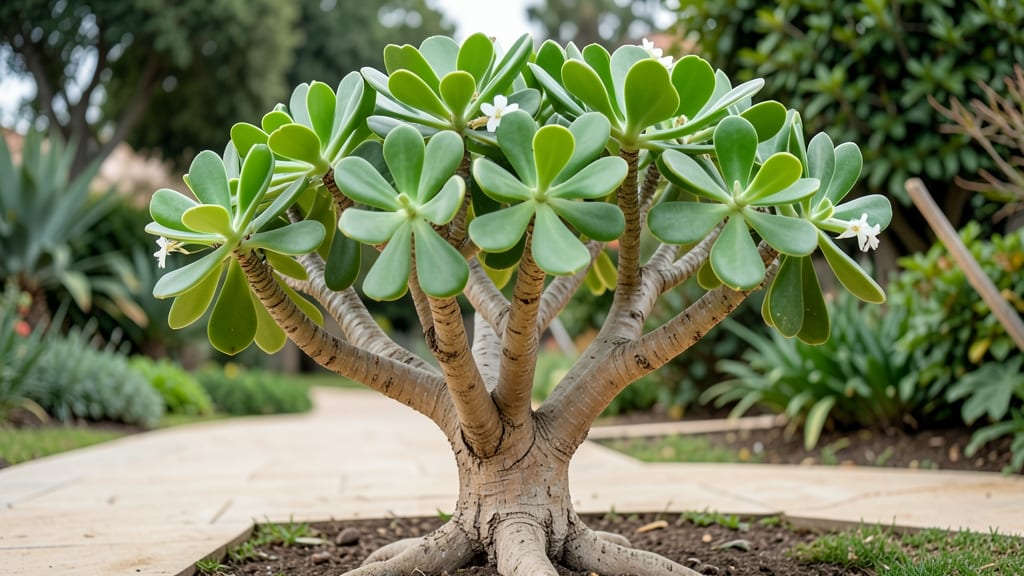
If your jade plant how much light it needs isn’t quite right—stretching awkwardly, turning pale, or crisping at the edges—chances are, its light needs aren’t being met.
The truth is, jade plant light requirements are simpler than you think, but getting them wrong can turn your succulent into a sad, leggy shadow of itself.
Jade plants are sun-worshippers, but they’re not fans of scorching rays or dim corners. Too little light, and they’ll stretch toward the window like a sleepy cat reaching for sunlight. Too much, and those plump leaves will burn.
The sweet spot? 4 to 6 hours of bright, indirect light daily, whether from a south-facing window or a well-placed grow light.
Here’s the game-changer: I’ll show you exactly how to spot the signs of over- or under-lighting, plus easy fixes to bring your jade plant back to its happy, bushy self. No guesswork—just actionable tips to keep those leaves thick, vibrant, and thriving year-round.
Ready to transform your plant’s light situation? Let’s dive into the exact conditions your jade plant craves—and how to give it just what it needs.

How many hours of light jade plants need (and where to place them)
Jade plants (Crassula ovata) thrive on 4-6 hours of direct sunlight daily, but they’re surprisingly adaptable. Unlike sun-loving succulents, they can handle bright indirect light—think morning sun with afternoon shade.
The key is avoiding harsh afternoon rays, which scorch their thick leaves. I’ve found that placing mine near an east-facing window gives them gentle morning light without the intensity of a south-facing spot.
For outdoor jade plants, partial shade (30-50% shade cloth) during peak summer hours (11 AM–3 PM) prevents leaf burn. In winter, they can tolerate full sun exposure since days are shorter and the sun is less intense.
My outdoor jade plant in USDA Zone 9 grows beautifully with just 3-4 hours of winter sun and 5 hours in spring/fall.
Indoor jade plants need bright, filtered light. A south-facing window is ideal, but if that’s not an option, a west-facing window with sheer curtains works too. Avoid north-facing windows—they’re too dim, causing etiolation (stretched, weak stems).
I’ve seen jade plants near north windows grow leggy and pale, while the same plants near a south window stayed compact and vibrant.
🌿
| Light Condition | Ideal Hours/Day | Best Placement | Signs of Stress |
|---|---|---|---|
| Direct Sunlight | 4-6 hours (max) | East/west windows, outdoor partial shade | Brown leaf edges, crispy texture |
| Bright Indirect Light | 6+ hours (filtered) | South window with sheer curtain, 3-6 ft away | Pale green leaves, weak stems |
| Low Light | <2 hours | North window, dark corners | Leggy growth, yellowing leaves |
Seasonal changes affect light needs too. In summer, jade plants crave morning sun + afternoon shade. I rotate my outdoor jade plant every 2 weeks to ensure even growth—otherwise, one side gets sunburned while the other stays pale.
In winter, they can handle more direct light since days are shorter, but avoid placing them in drafty spots near cold windows.
If your home lacks natural light, grow lights are a game-changer. A 12-hour photoperiod (light cycle) mimics natural daylight and prevents stretching. I use a full-spectrum LED grow light 6 inches above my jade plant for 6 hours daily, and it grows just as robustly as my sun-exposed plants.
The key is keeping the light consistent—no erratic on/off cycles.
Pro tip: Test your plant’s light by observing leaf color. Healthy jade leaves are glossy green with red-brown edges. If yours are dull or pale, it’s getting too little light. If they’re red or purple, it’s too much direct sun.
Adjust placement gradually—sudden changes shock the plant. I once moved a jade plant from a dim corner to full sun overnight, and it developed sunburn within days.
For outdoor jade plants, acclimate them slowly to avoid shock. Start with 1-2 hours of morning sun and gradually increase exposure over 2-3 weeks. This hardening-off period prevents leaf scorch and helps them adjust to UV intensity.
My outdoor jade plant now thrives in a partial shade garden bed, where it gets dappled sunlight all day.
🪴
Signs your jade plant isn’t getting enough (or too much) light
Your jade plant speaks volumes through its leaves—literally. If the vibrant green hue fades or shifts to pale yellow, it’s begging for more bright indirect light.
This common sign of light deficiency often appears first on older leaves, signaling your plant isn’t getting its 4-6 daily hours of sunlight. Don’t panic—simply rotate the pot quarter-turns weekly to ensure even exposure.
On the flip side, red or purple tinges on leaves mean your jade is sunburned. This happens when direct afternoon sun (1 PM–4 PM) hits without gradual acclimation. Move it 3–6 feet back from the window or use a sheer curtain to diffuse harsh rays.
Over time, your plant will thank you with thicker, glossier leaves—a sure sign of happy growth.
🌱 Too Little Light
🔥 Too Much Light
Watch for stem elongation, another red flag. When your jade stretches toward the light like a sunflower, it’s a cry for help—your plant is etiolating (growing weak). Prune the leggy stems to encourage bushier growth and place the plant closer to a bright window.
Pro tip: Grouping plants together creates a micro-climate that reflects extra light naturally.
Brown, crispy edges on leaves? This is often a watering issue, but if paired with yellowing, it could signal light stress. Check the soil—if it’s dry but the leaves are still wilting, your jade might be overheating in direct sun.
Water deeply in the morning and move it to a shadier spot for a few days to recover.
Pay attention to new growth—it’s the most light-sensitive part of your plant. If the newest leaves are smaller than usual or dull in color, your jade isn’t getting enough light to photosynthesize properly.
Boost light exposure gradually over 1–2 weeks to avoid shocking the plant. Think of it like sunbathing: slow and steady wins the race.
Remember, seasonal changes affect light too. In winter, shorter days mean your jade might need supplemental grow lights (even just 4–6 hours of artificial light can make a difference).
Conversely, in summer, afternoon sun can be brutal—watch for leaf bleaching and adjust accordingly. Your jade’s leaf texture is your best barometer: thick, plump leaves = happy plant.
If you’re still unsure, hold a white sheet of paper near the plant for a minute. If the paper warms up, your jade is getting enough light.
If it stays cool, it’s time to reposition or invest in a grow light. Trust your instincts—your jade’s health is in your hands! 🌿