
Companion Plants
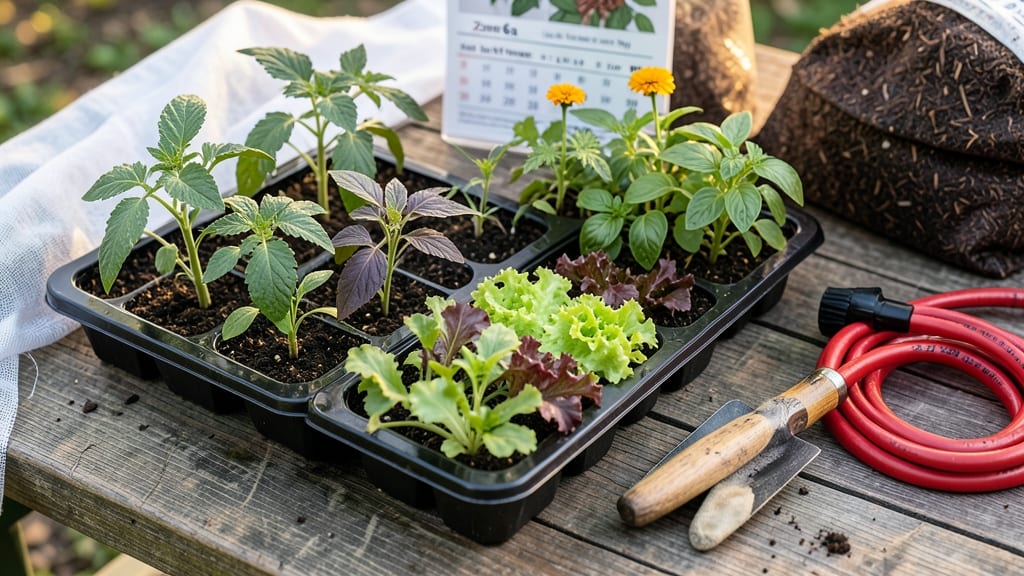
If you’ve ever stared at your seed packets in Zone 6A wondering, "When can I plant without risking a frost-killed garden?"—you’re not alone. The difference between a thriving harvest and a sad, frozen mess often comes down to timing, and Zone 6A’s unpredictable frosts make it tricky.
Whether you’re sowing tomatoes, lettuce, or perennials, planting too early or too late can mean the difference between a bountiful garden and wasted effort.
Here’s the good news: with the right planting calendar, you can avoid common mistakes and maximize your growing season. I’ll break down the exact windows for cool-season crops (like spinach) that love the chill, versus warm-season stars (like peppers) that need heat to thrive.
No more guessing—just science-backed dates to help you plant with confidence, even when Mother Nature throws curveballs.
Let’s start with the basics: understanding your last frost date (typically April 15–May 15 in Zone 6A) and how to use it to your advantage. I’ll also share pro tips for adjusting your schedule if the weather doesn’t cooperate—because even the best-laid plans need flexibility.
Ready to turn your garden into a high-yield machine? Let’s dive in.
By the end of this guide, you’ll know not just when to plant in Zone 6A, but how to stretch your season, protect tender seedlings, and troubleshoot last-minute frost warnings.
Whether you’re a first-time gardener or a veteran green thumb, these strategies will help you grow more—without the stress. Let’s get those seeds in the ground at the perfect moment!

Zone 6A planting dates by last frost: cool-season vs. warm-season crops
Zone 6A gardeners face a narrow 180-day growing window between last and first frosts, making precise timing critical. The average last frost date falls between April 15 and May 15, while first frosts typically arrive October 15–November 1.
These dates vary by microclimate—urban areas may warm faster, while valleys stay cooler longer.
For cool-season crops like lettuce and peas, you can start 4–6 weeks before your last frost (early March–April). Warm-season crops (tomatoes, peppers) must wait until soil reaches 60°F—usually late May—to avoid frost damage. Use these actionable deadlines to align your planting with Zone 6A’s climate quirks.
🌱
Tomatoes and peppers are the most finicky in Zone 6A. Planting them too early (before May 15) risks blackened leaves from nighttime temps below 50°F. Instead, start seeds indoors by March 1 and transplant after Memorial Day when soil warmth is guaranteed.
For cool-season greens, like spinach and arugula, succession planting every 2 weeks from March to September ensures a continuous harvest. These crops thrive in 40–65°F soil and can even survive light frosts (28–32°F), making them ideal for early spring or late fall.
Perennials like lavender and rosemary should go in the ground by May 1 to establish roots before summer heat. Bulbs (daffodils, tulips) planted in fall (October–November) will bloom next spring without fuss.
Use a soil thermometer to confirm readiness—60°F+ for warm-season crops and 40°F+ for cool-season starts. In Zone 6A, soil warms slower than air, so don’t rely on calendar dates alone.
🌡️
Pro tip: Mark your calendar for May 15 as the safe transplant date for heat-lovers. If you’re eager to plant earlier, use row covers or a mini greenhouse to protect tender seedlings from late frosts.
How to adjust planting times for zone 6A’s unpredictable weather patterns
Zone 6A’s weather can be as fickle as a spring breeze—one day warm enough for tomatoes, the next with a surprise frost. The key to success? Flexibility. I’ve learned to adapt planting times using tools like row covers, cold frames, and succession planting to stretch the season.
For example, you can plant spinach as early as March under protection, then again in late summer for a fall harvest.
Microclimates play a huge role too. A sunny south-facing slope might warm up weeks earlier than a shady north-facing corner. I’ve seen peppers thrive in sheltered spots when planted in late May, while the same variety would fail in exposed beds.
Always scout your yard for these pockets of warmth or cold.
Here’s how I adjust timelines for common crops in my Zone 6A garden:
Don’t forget about emergency fixes for late frosts. If a 50°F night is forecasted after planting tomatoes, cover them with a frost blanket or move potted plants to a sheltered spot. I’ve saved entire crops this way—it’s worth the extra effort!
Pro tip: Keep a gardening journal to track what works each year. Note when you planted, any adjustments you made, and how crops performed. Over time, you’ll spot patterns and refine your schedule. My zucchini now thrives when planted in early June, thanks to years of trial and error.
With these adjustments, you’ll turn Zone 6A’s unpredictability into an advantage. The right tools and a little flexibility can turn a marginal climate into a gardener’s paradise. 🌱