
Companion Plants
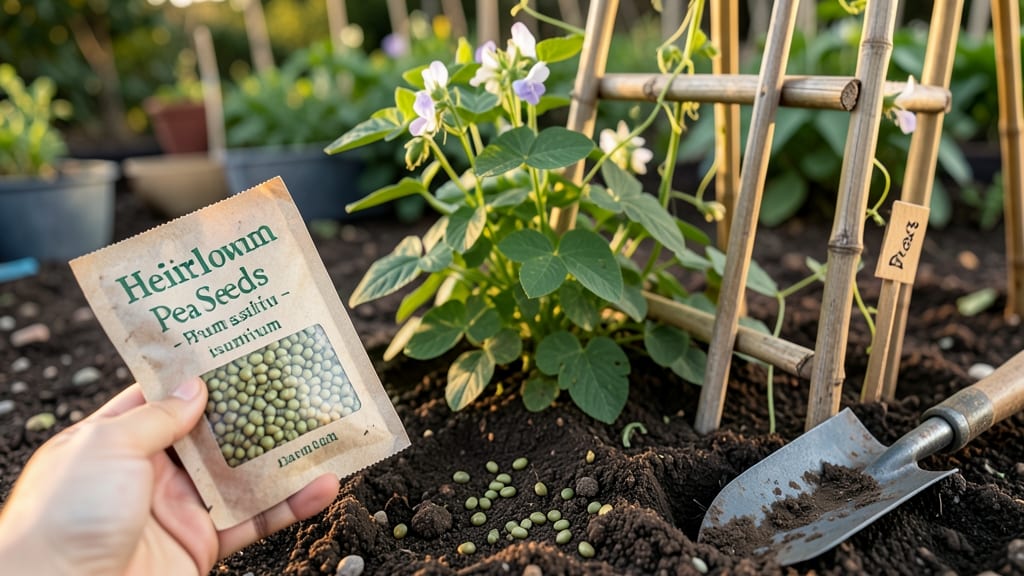
If you're wondering when to plant peas in Zone 6, timing is everything—because these cool-weather champions won’t wait around for warm soil. Plant too early, and frost will turn your tender 🌱 peas into sad, mushy memories.
Too late, and you’ll miss the sweet, crisp harvest you’ve been dreaming of.
Here’s the secret: peas thrive when soil temperatures hover between 40°F and 85°F, making early spring (March–April) and late summer (August–September) your best bets.
In Zone 6, that means aiming for 2–3 weeks before your last frost date—typically mid-April—for a spring harvest, or 2–3 months before the first frost (mid-October) for a fall crop.
But here’s where most gardeners trip up: elevation matters. High-altitude areas in Zone 6 may need to push planting back by 1–2 weeks to avoid late frosts. And if you’re itching to start indoors, you can get a head start—just transplant seedlings 1–2 weeks before your outdoor window opens.
Ready to grow? I’ll walk you through the exact steps—from soil prep to frost-proofing—to ensure your peas pop up fast and keep producing until the last possible moment. Let’s get those seeds in the ground!

Exact weeks before last frost to plant peas in Zone 6 for fast germination
Peas are cool-season champions that thrive in Zone 6’s early spring and late summer windows. Unlike heat-loving veggies, they germinate best when soil temps hover between 40°F and 85°F, making timing critical.
Plant too soon, and frost zaps seedlings; too late, and you’ll miss the 60-day harvest window before summer heat sets in.
For Zone 6 gardeners, the last frost date typically falls around mid-April, but your exact window depends on elevation and microclimates. Aim to plant 2–3 weeks before that date for fast germination and a May-June harvest.
If you’re in higher elevations (e.g., mountains), push planting back by 1–2 weeks—cooler soils delay sprouting.
| Planting Window | Soil Temp | Last Frost Buffer | Harvest Time |
|---|---|---|---|
| Early Spring (March 15–April 15) | 40°F–50°F | 2–3 weeks before last frost | May–June |
| Late Summer (August 1–September 15) | 60°F–70°F | 2–3 months before first frost | October–November |
| Fall (September 1–October 1) | 50°F–60°F | 4–6 weeks before first frost | October–November |
🌱 Note: Use frost-sensitive varieties (e.g., Sugar Snap) for spring; cold-hardy types (e.g., Lincoln) for fall.
For spring planting, prioritize dwarf or semi-dwarf varieties like Little Marvel or Sugar Ann, which mature in 55–65 days. These bush peas tolerate cooler temps better than tall vining types.
If your last frost date is April 15, aim to sow seeds by March 25–March 30 for a May harvest.
Soil temperature is non-negotiable—peas won’t germinate below 40°F. Use a soil thermometer to confirm readiness. If temps are too cold, wait or use a black plastic mulch to warm the soil by 5–10°F.
Pro tip: Direct sow peas 1 inch deep in well-draining soil with a trellis ready—they hate transplanting.
Fall planting in Zone 6 offers a second harvest window but requires earlier varieties to mature before frost. Sow Lincoln or Alderman peas by August 1 for a September-October harvest.
These cold-tolerant types can handle light frosts (down to 25°F) and even improve in flavor after a hard frost.
Don’t overlook succession planting—sow every 2 weeks from March to June for a continuous harvest. Peas are fast-growing (ready in 60 days), so staggered plantings ensure you’re never without fresh pods. Pair this with companion plants like radishes or lettuce to maximize space and deter pests.
If you’re starting seeds indoors (e.g., for early spring), begin 6–8 weeks before your last frost date. Use biodegradable pots to avoid root disturbance when transplanting outdoors. Harden off seedlings by gradually exposing them to outdoor temps for 1 week before planting.
Watch for soil moisture—peas need consistent dampness but drown in soggy soil. Water deeply 2–3 times per week (about 1 inch total) and mulch heavily to retain moisture. Avoid overhead watering, which can spread fungal diseases like powdery mildew.
For Zone 6 gardeners, the sweet spot is planting peas 2–3 weeks before your last frost date, using cold-hardy varieties, and trellising early. With this timing, you’ll enjoy crisp, sweet pods from May through June and again in fall.
Track your local frost dates (check the Almanac’s Zone 6 frost calculator) and adjust for microclimates—north-facing beds stay cooler longer.
Exact weeks before last frost to plant peas in Zone 6 for fast germination
Peas are cool-season champions that germinate best when soil temperatures stay between 40°F and 50°F. In Zone 6, this means planting 2–3 weeks before your last frost date—typically mid-April—for a spring harvest.
For fall planting, aim for 2–3 months before the first frost (mid-October) to ensure mature pods before cold sets in.
Your last frost date is the average date when temperatures drop below 32°F in your area. Check your local USDA Plant Hardiness Zone Map or use a frost calendar for precise timing. In Zone 6, this usually falls between April 15–May 1, depending on elevation.
For high-elevation areas in Zone 6 (e.g., mountains), push planting back by 1–2 weeks to avoid late frosts. If you’re unsure, use a soil thermometer—peas won’t germinate well above 85°F, so avoid planting in scorching summer heat.
Pro tip: Direct sow seeds 1 inch deep, 2–3 inches apart, in rows spaced 18–24 inches apart. This gives vines room to climb and ensures airflow to prevent fungal diseases. If you start seeds indoors, transplant seedlings 1–2 weeks before your outdoor window opens.
Once planted, peas grow fast—typically 50–75 days to harvest. By timing your planting window correctly, you’ll enjoy crisp, sweet pods from May to June (spring) or October to November (fall). Don’t miss out on this easy, rewarding crop!