
Companion Plants
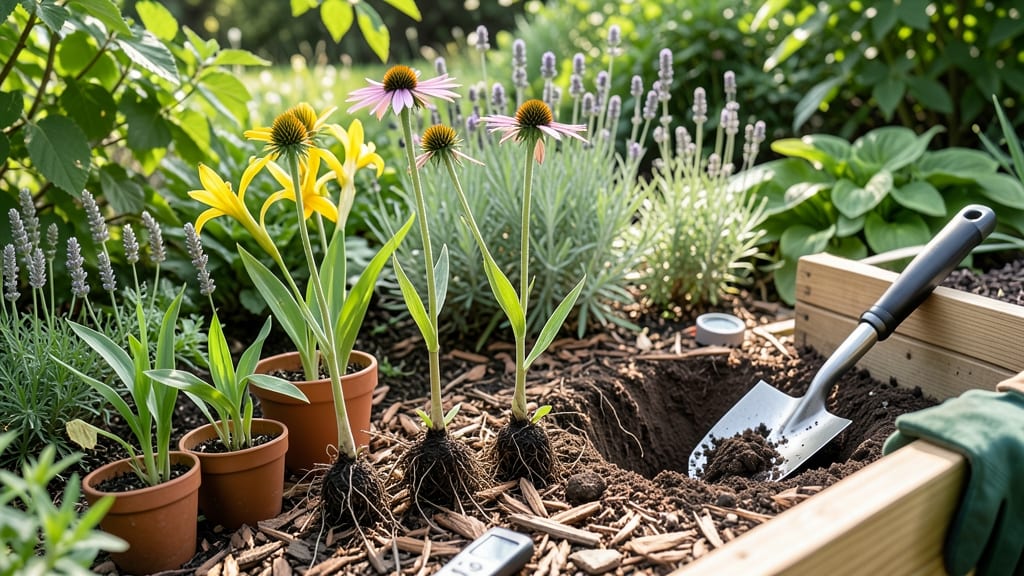
Planting perennials in Zone 6 at the wrong time can mean the difference between a lush garden and a disappointing one. Whether you're adding hostas or coneflowers, timing matters more than you might think. The ideal window spans from early spring to early fall, but not all perennials thrive at the same time.
Most gardeners in Zone 6 (General) start planting as soon as the soil warms up—typically around March—but some varieties, like bare-root plants, prefer cooler spring temperatures.
Fall planting is also an option for hardy perennials, giving roots time to establish before winter. The key is avoiding frost damage while ensuring the soil is workable.
In this guide, I’ll break down the exact months to plant each type of perennial, from spring-bloomers to evergreens, so you can maximize success. You’ll also learn how to adjust for your specific microclimate, whether you’re in an urban heat zone or a cooler high-altitude area.
Let’s get your garden off to the right start!
Ready to dive in? We’ll cover soil prep, frost considerations, and even common mistakes to avoid—so your perennials grow strong and healthy from day one. No more guesswork—just thriving plants!

Best planting months for perennials in Zone 6 by type
Zone 6 gardeners have a 6-month window to plant perennials successfully, but timing varies by type. Early spring (March-April) is ideal for most varieties, while fall planting (September) works for hardy species like hostas and lavender.
The key is planting when soil reaches 60°F and after the last frost date (typically April 15 in Zone 6).
Some perennials, like peony and iris, prefer bare-root planting in early spring, while others (such as coneflowers) thrive when transplanted in late spring after soil warms. Evergreen perennials like boxwoods can even handle fall planting with proper mulching.
🌱
For spring planting, aim to get perennials in the ground 4-6 weeks before your area's last frost date.
This gives roots time to establish before summer heat arrives. Fall planting should occur 6-8 weeks before the first frost (around September 1 in Zone 6) to allow roots to settle before winter.
I always test my soil pH before planting—most perennials prefer 6.0-7.0. Amending with compost improves drainage and nutrients, which is especially critical for heavy clay soils common in Zone 6. A 2-inch layer of mulch after planting helps retain moisture and regulate soil temperature.
🌿
Some perennials, like Russian sage and catmint, are drought-tolerant once established and can handle late spring planting (May). Others, such as bleeding heart, need moist, well-draining soil and should be planted in early spring to avoid summer stress. Always check the specific variety's care tag for tailored advice.
If you're planting bare-root perennials, soak the roots for 1-2 hours before planting to rehydrate them. For container-grown plants, water thoroughly 24 hours before transplanting to reduce shock. Both methods help ensure your perennials start their Zone 6 journey on the right foot.
🪴
Best planting months for perennials in Zone 6 by type
Zone 6 gardeners have a 6-month window to plant perennials, but timing varies dramatically by variety. Most perennials thrive when planted in early spring (March-April), but some—like fall-blooming varieties—prefer late summer. The key is avoiding frost dates (average last frost: April 15, first frost: October 15).
Spring planting gives roots time to establish before summer heat, while fall planting allows perennials to develop strong root systems before winter dormancy. Bare-root plants (like peony roots) need special attention—they must go in the ground immediately after purchase to prevent drying.
Here’s a breakdown of ideal planting windows by perennial type, including soil temperature thresholds and care tips:
| Perennial Type | Ideal Planting Months | Soil Temp Threshold | Key Care Tip |
|---|---|---|---|
| Spring-Bloomers (Peonies, Iris) | March–April | 50–60°F | Plant crowns 2" below soil |
| Summer-Fall Bloomers (Coneflowers, Black-Eyed Susans) | April–May or August–September | 55–65°F (spring) / 60–70°F (fall) | Water deeply after planting |
| Herbaceous Perennials (Hostas, Lavender) | April–June | 55–65°F | Mulch to retain moisture |
| Bare-Root (Peony Roots, Asclepias) | td style="padding: 8px; border-bottom: 1px solid rgba(255,255,255,0.2);">March–April (immediately after purchase)45–55°F | Soak roots 2–3 hours before planting |
For transplants (potted perennials), you can extend planting into late May as long as soil temperatures stay above 55°F. However, avoid planting in July-August—the heat stress can stunt root growth. Evergreens like boxwoods or hemlocks are exceptions; they tolerate fall planting (September) for winter establishment.
Always check your local frost dates—they can vary by 1–2 weeks even within Zone 6. Urban areas often warm up faster than rural zones, so adjust accordingly. For example, Chicago’s last frost averages April 20, while Denver’s is closer to April 10.
Pro tip: Test soil moisture before planting. If it’s dry and crumbly, wait a few days—perennials hate soggy soil at planting time. Amend with compost for better drainage, especially in clay-heavy Zone 6 soils.