
Companion Plants
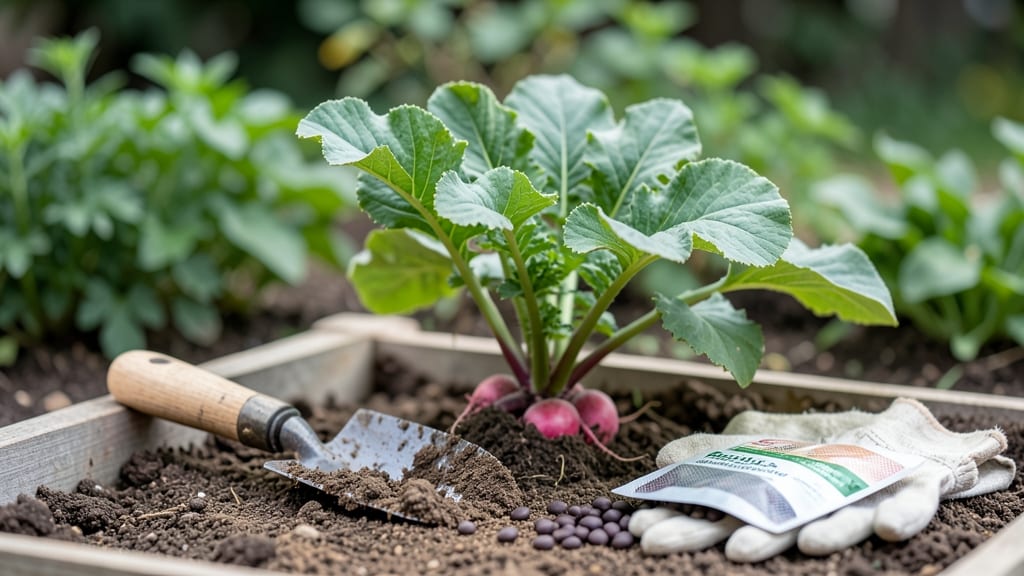
Timing your radish planting in Zone 5 can mean the difference between a crisp, sweet harvest and a bitter, woody disappointment. These fast-growing 🥕 roots thrive when planted at the right moment—too early, and they bolt before you can enjoy them; too late, and summer heat turns them pithy.
If you're eager to enjoy homegrown radishes in just 3-4 weeks, you'll want to start seeds as soon as the soil warms up in early spring—or make a late-summer planting to beat the first frost.
The key is knowing exactly when to put those seeds in the ground for a reliable harvest before summer heat sets in.
In this guide, I’ll break down the perfect planting windows for Zone 5, including soil temperature tips and how to avoid common mistakes that ruin your radish crop.
Whether you're a beginner gardener or just looking to optimize your spring harvest, these insights will help you grow radishes faster and more successfully.
Ready to dig in? Let’s get those radishes in the ground at the right time so you can enjoy them before they bolt—or worse, turn tough and unappetizing. Your garden (and taste buds) will thank you!

Zone 5 radish planting calendar: exact weeks before last frost
Timing is everything when planting radishes in Zone 5. These speedy growers thrive in cool weather but bolt or develop tough roots when temperatures climb. In Zone 5, your last spring frost typically arrives around mid-May, while the first fall frost hits in mid-October.
To maximize your harvest, focus on planting 4-6 weeks before your last frost in spring and 6-8 weeks before your first frost in fall.
For spring planting, start seeds indoors or directly sow outdoors as soon as soil temperatures reach 40°F (4°C). In Zone 5, this usually means late March to early April.
If you’re planting outdoors, use a row cover to protect tender seedlings from late frosts. For fall planting, aim for late summer—around August 1st—to ensure harvests before winter sets in.
Here’s the key: Soil temperature matters more than air temperature. Radishes germinate best when soil is between 45°F and 75°F (7°C–24°C). Use a soil thermometer to check before planting. If temperatures rise above 75°F (24°C), radishes will bolt quickly, ruining your harvest.
Pro tip: Succession planting is your secret weapon for continuous radish harvests. Sow seeds every 2 weeks in spring and every 3 weeks in fall. This ensures a steady supply of fresh radishes without overcrowding.
For example, if you plant your first batch on March 20th, follow up with batches on April 3rd, April 17th, and May 1st.
Don’t forget about variety selection. In Zone 5, choose fast-maturing varieties like 'Early Scarlet Globe' or 'Easter Egg' for spring and fall. These varieties typically reach harvest in 21-28 days, giving you more flexibility.
Slower varieties like 'Black Spanish' take 45-50 days and are better suited for cooler fall plantings when days are shorter.
One common mistake in Zone 5 is planting radishes too late in spring. If you wait until May or June, the heat will cause radishes to bolt before they develop edible roots.
Always check your last frost date and plant accordingly. For fall, avoid planting after September 1st—your radishes won’t have enough time to mature before frost.
For container gardening in Zone 5, use deep pots (at least 6 inches deep) and plant seeds ½ inch deep. Place containers in a spot with full sun (6+ hours) and keep soil moist. Container-grown radishes often mature faster because they’re less stressed by soil temperature fluctuations.
Finally, monitor your radishes closely for signs of bolting—long stems and yellow flowers mean it’s time to harvest or pull them. If you notice this in late spring, try shade cloth to cool the soil and slow down growth.
In fall, bolting is less of an issue, but frost will still ruin your crop if you wait too long.
How to extend your radish harvest in Zone 5: succession planting tips
Extending your radish harvest in Zone 5 isn’t just about planting once—it’s about strategic succession planting to keep fresh roots coming all season long. Since radishes mature in just 3-4 weeks, you can plant new batches every 2-3 weeks for a continuous supply.
The trick is timing these plantings so you avoid the heat of summer, which causes bolting and tough roots.
Start your first batch as soon as the soil warms to 40°F in early spring (typically late March to early April in Zone 5). Then, plant every 2-3 weeks until mid-May, just before the last frost date.
This ensures you’ll have a fresh harvest every few weeks without gaps. For a fall harvest, begin your last planting 6-8 weeks before your first frost (usually late August).
Here’s how to make it work: Choose a mix of fast-maturing varieties (like 'Cherry Belle' or 'Early Scarlet Globe') and slightly slower ones (like 'French Breakfast') to stagger your harvests. Fast varieties give you quick wins, while slower ones fill gaps when the faster ones bolt or finish.
🌱 Numbered Highlights: Succession Planting Schedule for Zone 5
- 1. Early Spring: Plant first batch late March (soil at 40°F)
- 2. Every 2-3 Weeks: Add new batches until mid-May
- 3. Summer Break: Skip planting in June-July (heat causes bolting)
- 4. Late Summer: Start final batch late August (6-8 weeks before frost)
- 5. Harvest Tip: Pull radishes as soon as they reach 1-2 inches in diameter
To avoid overcrowding, space your rows 12-18 inches apart and thin seedlings to 1-2 inches apart once they sprout. Overcrowding leads to small, pithy roots, so give them room to grow.
If you’re short on space, consider container gardening—radishes thrive in pots as long as they get 6+ hours of sun and well-draining soil.
One common mistake is planting too close to the last frost date. If you wait too long in spring, your radishes will bolt before maturing. Similarly, planting too late in fall risks exposure to early frosts.
Use a soil thermometer to check temperatures—radishes grow best when soil stays between 50-70°F. If temps rise above 75°F, your plants will bolt quickly.
Pro tip: Use shade cloth in late spring if temperatures climb unexpectedly. This buys you extra time for slower varieties to mature without bolting. With these strategies, you’ll enjoy crisp, sweet radishes from spring through fall—no grocery store needed! 🥕