
Planting
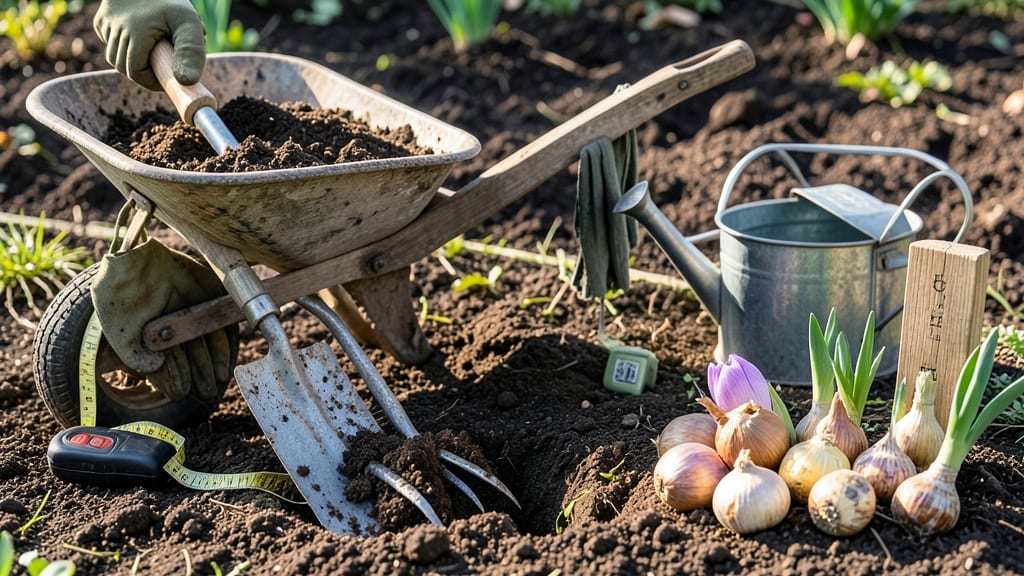
Timing your spring bulb planting wrong can mean the difference between a showstopping garden and a sad, withered disappointment.
You’ve waited all winter for those 🌷 tulips and daffodils to burst through the soil, but planting too early or too late throws everything off—especially in Zone 6 where frost lingers unpredictably.
The key is knowing exactly when to plant for your region, because bulbs need 6-8 weeks in cool soil before the ground freezes—or after the last frost in spring.
Get this wrong, and you’ll either watch your bulbs rot in cold soil or miss the window entirely, leaving you with bare patches where blooms should be.
I’ll break down the precise planting windows by USDA zone, including how to adjust for early bloomers like crocus versus latecomers like lilies. You’ll also learn the 3 biggest mistakes gardeners make—and how to avoid them—so your spring bulbs thrive from the moment they hit the soil.
Whether you’re a first-time planter or a seasoned gardener, these tips will ensure your bulbs wake up strong, bloom vibrantly, and give you that spring color payoff you’ve been dreaming of. Let’s get those 🌷 beauties in the ground the right way.
Spring bulb planting timeline by USDA Zone: exact weeks before last frost
Spring bulb planting isn’t just about waiting for warmer weather—it’s about timing it 6-8 weeks before your last frost date. This window ensures bulbs like tulips and daffodils establish roots before growth begins.
But since frost dates vary wildly across the U.S., I’ve broken it down by USDA zone so you can plant with confidence.
For example, gardeners in Zone 3-4 (think Minnesota or Maine) should plant in early April, while those in Zone 8-10 (California or Florida) can wait until mid-March or even February. The key? Soil temperature—aim for 40-50°F to avoid premature sprouting that frost will kill.
🌷 PRO TIP: Use your local Cooperative Extension Service website to find your exact last frost date. Even a 1-week delay can mean the difference between vibrant blooms and sad, wilted stems.
| USDA Zone | Last Frost Date (Approx.) | Planting Window | Bulb Examples | Soil Temp Goal |
|---|---|---|---|---|
| Zone 3-4 | Mid-April to Early May | Early April (after soil thaws) | Tulips, Daffodils, Hyacinths | 40-50°F |
| Zone 5-6 | Mid-April to Late April | Late March to Early April | Crocus, Allium, Fritillaria | 45-55°F |
| Zone 7-8 | Late March to Early April | February to Mid-March | Lilies, Ranunculus, Iris | 50-60°F |
| Zone 9-10 | Mid-January to February | January to Early February | Paperwhites, Snowdrops, Cyclamen | 55-65°F |
⚠️ Note: Coastal areas (e.g., Pacific Northwest) may plant 2-3 weeks earlier due to milder microclimates.
If you’re in a transition zone (like Zone 7b vs. 7a), err on the side of caution. For instance, Zone 7a (colder sub-zone) should plant in late March, while Zone 7b (warmer) can start in mid-February. Always check microclimates—south-facing beds warm up faster than shady spots.
One mistake I see often? Planting hyacinths or daffodils too late because the ground feels "warm enough." But soil temperature at 6 inches deep is what matters. Use a soil thermometer ($10 at garden centers) to confirm—bulbs need consistent coolness to root.
For container gardening, adjust timing by 1-2 weeks earlier. Pots heat up faster, and roots can’t regulate temperature like in-ground soil. Mix bulbs with perlite or sand to improve drainage, which is critical in pots where water pools easily.
🌱 REGIONAL EXCEPTION: The Pacific Northwest (e.g., Seattle, Portland) often has wet springs. Plant crocus or snowdrops in late February to avoid soggy soil, but wait until mid-April for tulips.
In the Deep South (Zone 8-9), plant paperwhites in January for early blooms, then follow with lilies in February.
After planting, mark your beds with flags or stakes—forgetting where you planted is a common springtime oops! I use biodegradable plant markers so I don’t have to dig them up later.
And here’s a secret: Mulch lightly (1-2 inches) with straw or shredded leaves to protect bulbs from temperature swings.
Finally, don’t stress if you miss the window! Some bulbs, like daffodils, can handle early spring planting (even in May) as long as soil isn’t bone-dry. But for tulips, late planting often means fewer blooms—their roots need time to establish before summer heat sets in.
How to adjust planting time for early vs. late bloomers
Not all spring bulbs follow the same planting schedule—some, like crocus and snowdrops, can handle early spring planting, while others, like lilies and fritillaries, prefer waiting until after the last frost.
Understanding these differences ensures your bulbs thrive, not just survive. The key lies in their growth cycles and cold requirements.
Early bloomers, such as crocus and hyacinths, often need less time to root and can tolerate cooler soil temperatures. Planting them 4-6 weeks before your last frost date gives them enough time to establish roots before active growth begins.
Late bloomers, like tulips and daffodils, benefit from waiting until the soil warms slightly, ideally 2-4 weeks after the last frost when the ground is workable but not scorching.
🌱 Did You Know? Some bulbs, like alliums, actually prefer cooler soil and can be planted as early as February in mild climates. Others, like gladiolus, wait until April or May to avoid rot in damp spring soil.
| Bulb Type | Ideal Planting Window | Soil Temp Preference | Notes |
|---|---|---|---|
| Crocus | 4-6 weeks before last frost | 40-50°F | Tolerates early planting; blooms in late winter |
| Daffodils | 2-4 weeks after last frost | 50-60°F | Prefers warmer soil; avoid soggy conditions |
| Tulips | 2-3 weeks after last frost | 50-60°F | Needs well-drained soil; sensitive to rot |
| Lilies | After soil reaches 60°F | 60°F+ | Late bloomer; thrives in heat |
Beyond frost dates, pay attention to soil temperature. Use a soil thermometer to check depths of 4-6 inches—most bulbs prefer soil between 50-60°F. For cold-hardy varieties like snowdrops, cooler soil (40-50°F) is ideal. If your soil is still too cold, wait another week or two before planting.
Some gardeners also use moon phases as a secondary cue, planting bulbs during the waxing moon for stronger root development. While not scientifically proven, it’s a tradition worth trying if you’re planting in early spring.
Just avoid planting during a full moon, as the increased gravitational pull can stress young roots.
Finally, adjust for your local microclimate. A north-facing slope stays cooler longer, while a south-facing bed warms up faster. If you’re unsure, err on the side of waiting—late planting is better than early for most spring bulbs, as they can handle cooler temperatures once established.