
Plants
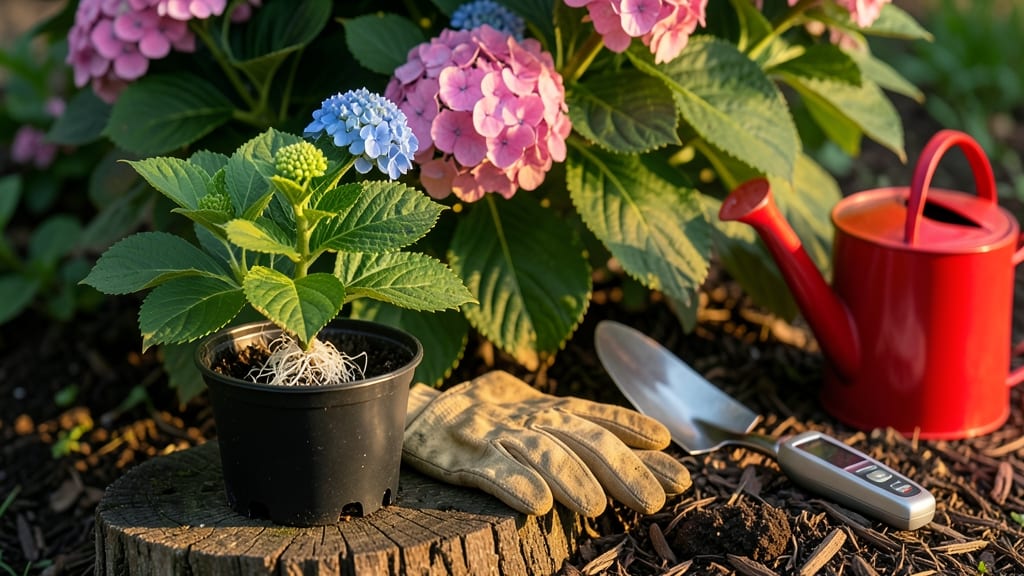
When can you plant hydrangeas in the ground? Timing your hydrangea planting just right can mean the difference between a thriving, flower-filled shrub and a struggling one that never blooms.
In USDA Zone 6a, where I garden, the ideal window opens in April through May—right after the last frost—giving those delicate roots time to establish before summer heat arrives.
But here's the catch: fall planting works too, especially if you live in warmer climates. The key is planting 6 to 8 weeks before your first frost, giving hydrangeas enough time to root before winter dormancy.
For me, that means late summer or early fall, depending on the year's weather patterns.
Why does timing matter so much? Because hydrangeas need consistently moist soil and moderate temperatures to thrive. Plant too early, and frost can damage tender roots. Plant too late, and your shrub might not have enough time to settle in before winter.
In this guide, I'll break down exactly when to plant in your zone, how to prepare your hydrangeas for success, and what to watch for if your timing isn't quite right. Let's get those 🌸 blooms growing strong!
Optimal planting windows for hydrangeas by US hardiness Zone
Hydrangeas thrive when planted during their active root growth periods, which occur in both spring and fall. The best time depends on your USDA hardiness zone and local frost patterns.
In most regions, spring planting (after the last frost) is ideal, but fall planting (6-8 weeks before first frost) offers advantages in hot climates where summer heat stresses young plants.
Your soil temperature is the key factor—hydrangeas need consistently warm soil (at least 60°F/15°C) to establish roots. In colder zones (3-5), fall planting gives roots time to settle before winter, while warmer zones (7-10) favor spring planting to avoid summer drought stress.
For Northern climates (Zones 3-6), spring planting (April-May) is safest. Southern climates (Zones 7-10) can plant in early spring (February-March) or fall (September-October), avoiding the brutal summer heat. Let’s break it down by zone to help you pick the perfect window.
In Zone 6a (like my garden in the Midwest), I always plant hydrangeas in late April to early May, ensuring the ground has thawed and nighttime temperatures stay above 40°F/4°C.
This gives roots 6-8 weeks of warm soil before summer heat arrives. For fall planting, I aim for mid-September, allowing roots to establish before the first frost.
Regional microclimates matter too. If you’re in a valley or low-lying area, frost can linger later than official zone averages. Check your local cooperative extension service for precise frost dates.
In coastal areas, milder winters may extend fall planting into November, while inland zones should finish by October 15.
Another critical factor is your hydrangea variety. Bigleaf hydrangeas (H. macrophylla) and oakleaf hydrangeas (H. quercifolia) handle fall planting well, while panicle hydrangeas (H. paniculata) thrive with spring planting due to their faster growth. Always check the tag for variety-specific advice!
For container-grown hydrangeas (the easiest type to find at nurseries), you can plant anytime the ground isn’t frozen. Bare-root hydrangeas, however, need moist soil and active root growth, so stick to the spring/fall windows.
If you must plant in summer, do it in early June and provide extra mulch and water to protect roots.
One mistake I’ve seen gardeners make is planting too early in cool spring soil. Roots won’t establish until temperatures rise, leaving plants vulnerable to drought or heat stress later.
Always wait until you can stick your finger 6 inches deep into the soil and feel warmth—hydrangeas will thank you with vibrant blooms the following year.
🌸 Remember: The goal is root establishment before stress. Whether you choose spring or fall, prioritize soil warmth, moisture, and minimal competition from weeds or other plants. With the right timing, your hydrangeas will reward you with lush foliage and stunning flowers for years to come.
Optimal planting windows for hydrangeas by US hardiness Zone
Your USDA hardiness zone is the first clue for timing hydrangea planting. Most gardeners plant in either spring (after last frost) or fall (6-8 weeks before first frost), but the exact window varies by region.
For example, in Zone 3-5, aim for late April to early June in spring, while Zone 7-10 can plant as late as June—just before summer heat peaks.
Fall planting offers a 6-8 week head start for root establishment before winter dormancy. In Zone 4-6, this means September to early October, while Zone 7-9 can extend planting until mid-November. Southern zones (Zone 10+) can plant hydrangeas year-round, though spring remains ideal for blooms.
Soil temperature is critical—roots need 60°F+ soil to thrive. Use a soil thermometer to confirm readiness. In cooler zones, wait until nighttime temps stay above 50°F consistently. Warmer climates can plant earlier, but avoid extreme heat (above 90°F), which stresses young roots.
| Zone | Spring Window | Fall Window | Soil Temp Threshold | Key Risk |
|---|---|---|---|---|
| 3-5 | Late April–Early June | September–Early October | 60°F+ | Late frost |
| 6-8 | March–May | October–Mid-November | 55°F+ | Summer drought |
| 9-10 | February–June | November–January | 65°F+ | Heat stress |
Northern climates (Zones 3-5) should prioritize spring planting to avoid winter dieback. Southern zones (7-10) can plant in fall for cooler roots or early spring to beat summer heat. Always check your local frost dates—extension offices provide free zone-specific data.
Pro tip: Container-grown hydrangeas can handle earlier planting than bare-root varieties. Their established roots adapt faster to soil conditions. For bare-root plants, soak roots for 2-4 hours before planting to reduce transplant shock.
Regardless of season, mulch heavily after planting to retain moisture and regulate soil temperature. In fall, use 3-4 inches of mulch; in spring, reduce to 2 inches to prevent overheating.
Adjust timing based on your hydrangea variety—oakleaf types bloom on old wood and benefit from fall planting, while panicle types bloom on new wood and thrive with spring planting.