
Planting
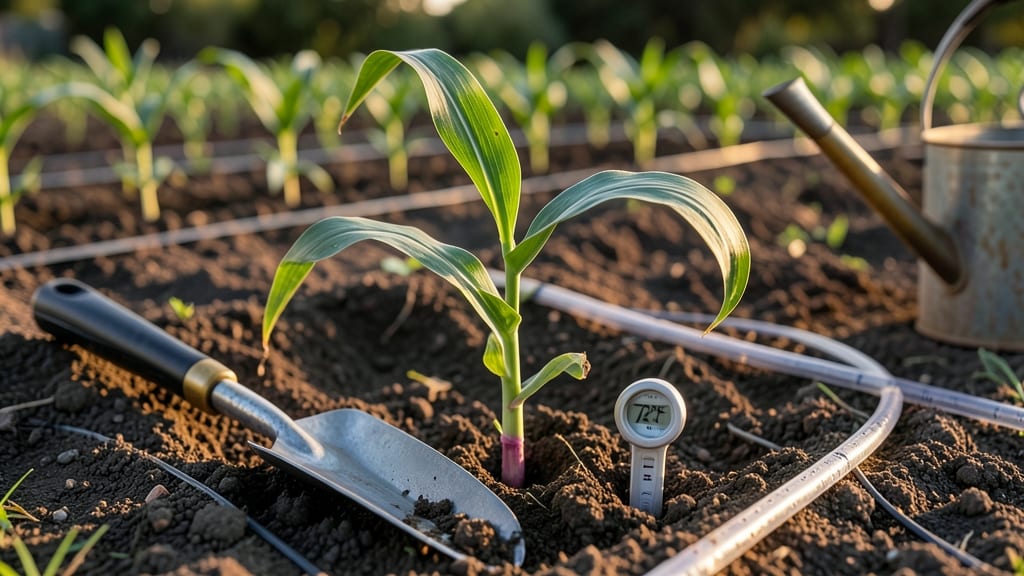
If you’ve ever wondered when farmers plant corn in Ohio, timing is the secret weapon. In Ohio, planting 🌽 corn at the wrong moment—too early or too late—can mean the difference between a thriving harvest and wasted seeds.
Farmers in Ohio’s USDA Zone 6a time their plantings like clockwork, waiting for soil temperatures to hit 50°F and counting 2-3 weeks after the last frost date (usually around April 15).
But here’s the catch: Ohio’s spring weather is famously unpredictable, and even experienced growers adjust their schedules based on soil conditions and corn variety.
You don’t need to be a large-scale farmer to benefit from these insights. Whether you’re planting a few rows for your family or dreaming of a backyard corn maze, knowing the exact window for planting can save you time, money, and frustration.
Let’s break down the science—and the strategies—so you can plant with confidence.
Ready to master Ohio’s corn-planting secrets? We’ll cover soil temperature tricks, backup dates for late springs, and how to pick the right corn varieties for your schedule. Plus, I’ll show you how to check your local USDA resources for hyper-local adjustments. Let’s get started!
Ohio corn planting dates by soil temperature zones (2024 guide)
Ohio’s corn planting season hinges on soil temperature, not just calendar dates. Farmers target a minimum soil temp of 50°F at 4-inch depth—critical for germination. This year, Ohio’s USDA zones 5b-6a see planting windows shift by 1-2 weeks depending on microclimates.
Northern counties (like Ashtabula) wait until mid-May, while southern regions (like Chillicothe) can start as early as late April.
Why the variation? Corn seeds rot below 50°F, but above 60°F, they germinate too fast, risking seedling disease. Ohio’s last frost dates (April 15 in north to May 1 in south) create a 3-week window for planting after frost risk passes. Use a soil thermometer—don’t guess!
Here’s the 2024 planting timeline by Ohio’s 5 key soil temperature zones, with historical averages and adjustments for early/late varieties:
For home gardeners, FAO maturity groups (100 = early, 140 = late) dictate planting flexibility. A FAO 100 variety planted April 15 in southern Ohio will mature by mid-September, while a FAO 120 needs until late October.
Use Ohio State University’s Corn Hybrid Guide to match varieties to your zone—drought-resistant P1190AM thrives in northern Ohio’s shorter seasons.
Pro tip: Plant 1-2 weeks earlier in black plastic mulch to warm soil faster. In 2023, farmers using mulch in zone 5b saw 7-day earlier germination. Just avoid mulch if night temps drop below 45°F—corn seedlings won’t tolerate cold soil.
Watch for soil moisture too—dry soil at planting delays germination. In 2022, northern Ohio’s late spring drought caused 30% lower emergence rates in fields planted before soil reached 55°F. Always water seeds lightly after planting to ensure soil-seed contact.
Ohio’s first frost (October 15 in north to November 1 in south) sets the harvest deadline. For sweet corn, aim to harvest 20-30 days before frost—earlier for popcorn (which stores longer). Use USDA’s Plant Hardiness Map to cross-check your zone’s frost dates annually.
🌽
How to adjust corn planting dates for Ohio’s unpredictable weather
Ohio’s weather can throw off even the best-laid planting plans—late frosts, sudden heatwaves, and unpredictable rainfall all demand flexibility. The key is to monitor soil temperatures and adjust planting windows based on real-time conditions rather than relying solely on historical averages.
For example, if your soil hits 50°F by early April but a frost warning looms, delay planting until after the last frost date (typically April 15 in most of Ohio).
For home gardeners, this means having a backup planting date—usually 2-3 weeks later—ready if early attempts fail. Many Ohio farmers also plant early-maturing varieties first as a hedge against late springs.
These hybrids (like FAO 100-110 groups) can tolerate cooler soils and still reach maturity before the first frost in October.
🌽
⚠️ Watch for These Red Flags
- Soil too cold: Below 50°F delays germination by weeks.
- Frost warning: Seeds planted too early may rot or sprout then die.
- Drought stress: Planting in dry soil can stunt early growth.
- Late blight risk: Overly wet springs increase fungal diseases.
Pro Tip: Use a soil thermometer ($10) to track daily temps—this is more accurate than guessing!
If your planting window shrinks due to weather, consider shifting to shorter-season varieties. For instance, ‘Silver Queen’ (FAO 110) matures in 75 days, while ‘Peaches and Cream’ (FAO 100) finishes in just 60 days. Both thrive in Ohio’s USDA Zone 6a if planted by early May.
Another trick? Adjust seed depth—plant deeper (2 inches) in dry soil to retain moisture near roots, or shallower (1 inch) in saturated conditions to prevent rot.
For late plantings (after mid-May), opt for drought-tolerant hybrids like ‘Pioneer 32N33’, which can handle Ohio’s occasional summer dry spells. These varieties prioritize ear development over leaf growth, ensuring yield even with less water.
Just remember: every week delayed reduces potential harvest by 5-10%, so balance risk with your local forecast.
Finally, mulch heavily after planting to stabilize soil temps. Straw or black plastic mulch can add 2-5°F to soil warmth, extending the growing season by 1-2 weeks. Pair this with a drip irrigation system** to maintain moisture without overwatering—critical during Ohio’s June heatwaves.
💧 Stay flexible, and don’t hesitate to replant if conditions turn unfavorable. Even professional farmers in Ohio’s corn belt adjust planting dates 20% of the time—your home garden deserves the same care!