
Plants
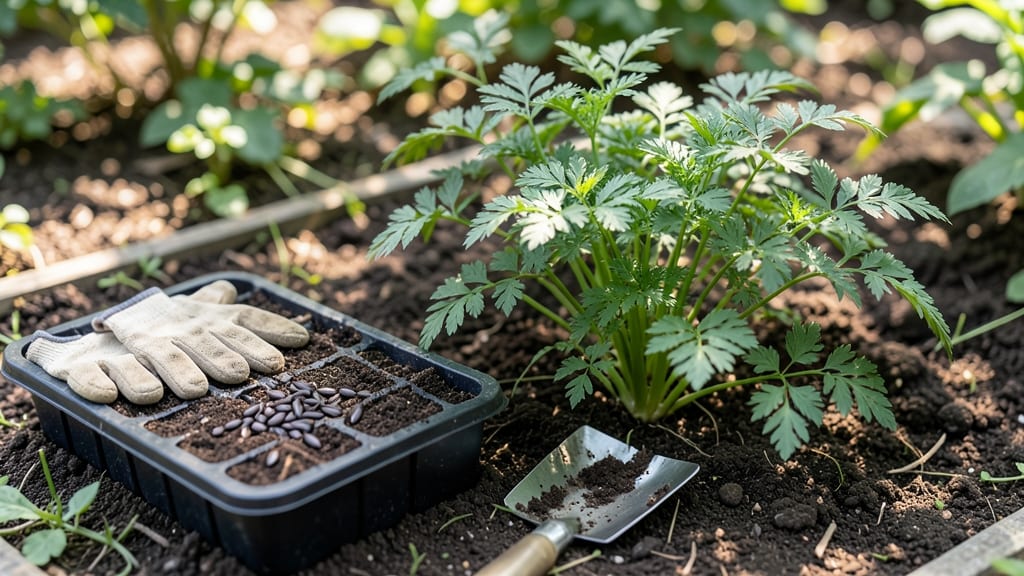
Planting carrots in Florida at the wrong time can turn your garden into a sad, stunted mess—but get the timing right, and you’ll harvest sweet, crisp 🥕 roots all winter long. Florida’s long growing season means you’ve got two perfect windows to plant: fall and winter, when cooler temps keep your carrots from bolting or turning woody.
Why does timing matter so much? Because Florida’s heat is no joke—summer planting? Forget it. Your seeds will either fry or sprout into leafy greens with tiny, bitter roots. Instead, aim for September through March, when soil temps stay cool enough for ideal germination and growth.
I’ll break down the exact months that work best for your Florida zone, plus pro tips to beat common pitfalls like rocky soil or pest pressure. Whether you’re a first-timer or a seasoned gardener, these strategies will help you grow carrots that rival the ones at the grocery store—only better.
Ready to dig in? Let’s turn your Florida garden into a carrot lover’s dream with the right planting schedule, soil prep, and a few secret tricks for success.
Best months to plant carrots in Florida (heat-tolerant varieties & climate zones)
Florida’s three distinct climate zones (North, Central, South) mean your planting timeline should adjust based on location. Unlike northern states, Florida’s lack of frost creates a unique window—focus on fall through early spring to avoid the brutal summer heat that causes carrot bolting and poor root development.
The ideal window spans September through March, with peak success in October-February. Southern Florida gardeners can push into early April for a late harvest, while North Florida’s cooler microclimates may extend planting into late March.
Always check your last frost date (though Florida rarely sees frost, cool snaps can stress seedlings).
For heat-tolerant varieties, opt for ‘Danvers Half Long’ (classic orange, stores well) or ‘Nantes’ (sweet, shorter roots perfect for Florida’s sandy soil). Avoid long-season varieties like ‘Chantenay’—they’ll bolt before maturing in Florida’s heat.
| Zone | Best Planting Months | Harvest Window | Top Variety | Soil Temp Ideal |
|---|---|---|---|---|
| North Florida (Zones 8a-9a) | September–March | November–May | Danvers Half Long | 60–75°F |
| Central Florida (Zones 9a-9b) | October–February | December–April | Nantes | 65–70°F |
| South Florida (Zones 10a-11) | November–March | January–May | Paris Market | 70–75°F |
North Florida’s cooler microclimates (like the Panhandle) allow for earlier September plantings, while South Florida’s higher humidity demands later starts in November to avoid fungal diseases. Always test your soil temperature—carrot seeds need 60–75°F soil to germinate; use a soil thermometer for accuracy.
Pro tip: Direct-sow seeds (never transplant seedlings)—carrots hate root disturbance. Space rows 12–15 inches apart to prevent crowding, which leads to forked, misshapen roots. Florida’s sandy soil drains too quickly? Amend with compost and coconut coir to retain moisture without compacting.
If you’re pushing the envelope for a summer crop, try shade cloth (30–50%) over seedlings in June–July to lower soil temps by 10–15°F. Pair with drip irrigation to keep roots cool—this is how I’ve successfully grown baby carrots in August!
Remember: Carrots are cool-season crops, so avoid planting when daytime temps exceed 85°F. Even heat-tolerant varieties will bolt (flower prematurely) if stressed. Monitor your plants’ foliage—if leaves turn yellow or purple, it’s a sign of heat stress or nutrient deficiency.
For continuous harvests, stagger plantings every 2–3 weeks from September through January. This ensures you’re always pulling fresh carrots while avoiding overcrowded beds. In Florida, patience is key—rushing the season leads to disappointment.
How to extend your carrot growing season in Florida (succession planting & shade tips)
Florida’s long growing season means you can grow carrots year-round with the right strategies—but summer heat is the real villain. Succession planting and shade protection are your secret weapons to avoid bolting and maximize yields. Start by planting every 2-3 weeks from September through March for a continuous harvest.
For summer trials, use 30-50% shade cloth to lower soil temperatures by 10-15°F. This tricks carrots into thinking it’s cooler, preventing premature flowering. Pair this with drip irrigation to keep roots moist without wetting foliage, which reduces fungal risks like Alternaria leaf spot.
🌱
Stagger plantings from September to March for a steady harvest. Use seed tape for precision in rocky Florida soil.
Deploy 30-50% shade cloth in June-August to lower soil temps by 10-15°F. Remove by late August for fall prep.
Apply 2-3 inches of straw mulch to retain moisture and block weeds. Replenish every 4-6 weeks during dry spells.
Radishes mature in 30 days and mark carrot rows. Their shallow roots loosen soil for deeper carrot growth.
Carrots thrive in 60-75°F soil. Use a soil thermometer—if temps hit 80°F+, delay planting until evening or use shade.
Another game-changer? Raised beds in partial shade. Fill them with a mix of 50% sand, 30% compost, and 20% peat moss to improve drainage and warmth retention. This combo helps carrots grow 20% faster in Florida’s heat compared to in-ground planting.
Don’t overlook companion planting to deter pests like carrot rust flies. Pair carrots with leeks, rosemary, or thyme—their strong scents mask carrot odors. Avoid planting near dill or parsley, which attract the same pests.
For late-winter harvests, start seeds indoors in January under grow lights. Transplant seedlings outdoors in February with row covers to protect from wind and cool nights. This extends your season into April when most gardeners are done!
🌿