
Plants
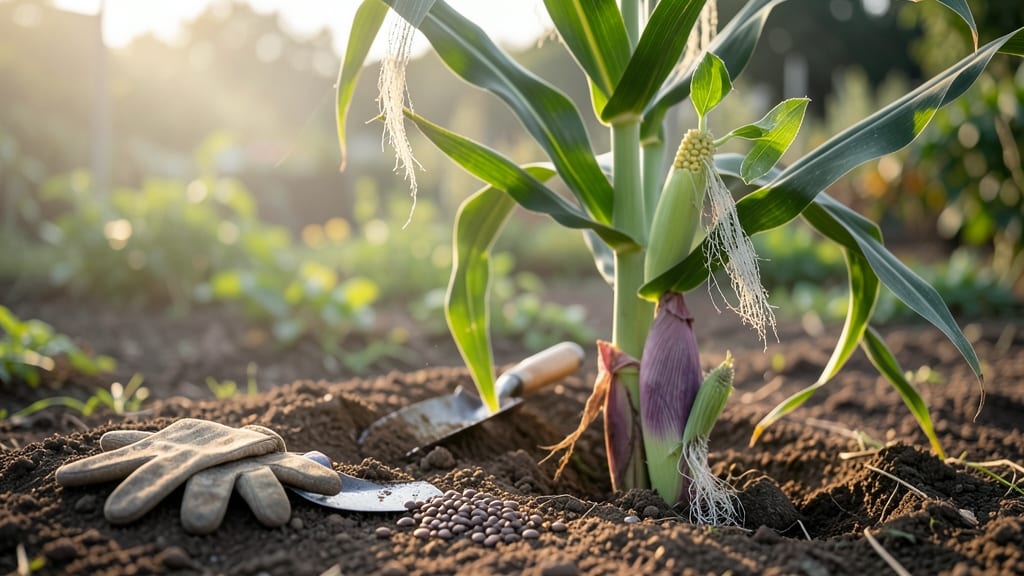
Planting corn in California at the wrong time can turn your golden harvest into a sad, shriveled disappointment—but get the timing right, and you’ll be feasting on homegrown 🌽 ears that taste sweeter than anything from the store.
The key lies in understanding your region’s unique climate, whether you’re in the foggy coastal areas of San Diego or the scorching Central Valley.
Most California gardeners should wait until after the last frost (typically April–June), but the exact moment depends on where you live.
Coastal zones like Los Angeles (USDA Zone 10a) can start as early as March, while Northern California’s cooler mountain areas (Zones 7b–9a) may need to wait until late May.
Heat-tolerant varieties like ‘Peaches and Cream’ thrive in these varying conditions, but planting too soon risks frost damage, while waiting too long can lead to stunted growth.
Beyond dates, soil temperature and moisture play critical roles. Corn loves warm soil—aim for 60°F or higher—and consistent watering to prevent drought stress.
I’ll break down the perfect planting windows for your specific zone, plus pro tips for soil prep, companion planting, and even late-summer fall harvests in desert regions where the heat never lets up.
Ready to grow corn that’s so good, your neighbors will ask for seeds? Let’s dive into the exact dates, varieties, and tricks that’ll turn your California garden into a corn-lover’s paradise.
California corn planting dates by region: coastal vs. valley vs. desert
California’s microclimates create dramatic differences in corn planting success. In coastal areas like San Francisco or Santa Barbara, cool summers mean you’ll plant later, while the Central Valley (Sacramento, Fresno) demands early starts to escape summer heat. Desert regions like Palm Springs even allow late-summer plantings for fall harvests.
Your last frost date is the #1 factor—corn cannot tolerate frost, even as seedlings. Use the USDA Plant Hardiness Zone map as a starting point, but local nurseries often provide more precise frost-free data.
For example, Los Angeles (Zone 10a) has virtually no frost risk, while Sacramento (Zone 9b) averages its last frost in mid-March.
Soil temperature matters just as much as air temperature. Corn seeds need soil at 60°F+ to germinate. In coastal zones, this often means waiting until May, while Central Valley soils may hit 60°F as early as mid-April.
Use a soil thermometer to confirm—planting too early in cold soil leads to rot.
Here’s your region-specific planting timeline with frost-free dates and ideal windows:
| Region | USDA Zone | Last Frost Date | Ideal Planting Window | Soil Temp Requirement | Notes |
|---|---|---|---|---|---|
| Coastal (SF, LA, Santa Barbara) | 9b–10a | Dec–Jan (rare frost) | Late April–May | 60°F+ | Cool summers; use early-maturing varieties (60–75 days). |
| Central Valley (Sacramento, Fresno) | 9a–9b | Mid-March | Mid-April–early June | 60°F+ | Hot summers; plant heat-tolerant varieties and mulch heavily. |
| Desert (Palm Springs, Yuma) | 10a–11 | None (year-round growing) | Late July–August (for fall harvest) | 70°F+ | Extreme heat; shade cloth and drip irrigation essential. |
For coastal gardeners, aim to harvest by mid-October to avoid fungal diseases from lingering summer humidity.
In the Central Valley, planting in early June can still yield ears by September if you choose fast-maturing varieties like ‘Golden Bantam’ (60 days). Desert growers often plant twice: once in spring (March–April) and again in late summer (July–August) for fall harvests.
Pro tip: Use black plastic mulch to warm soil faster in cooler zones. This can shave 2–3 weeks off your planting timeline by raising soil temperatures by 5–10°F. Just remove it once plants are established to prevent overheating.
If you’re in Northern California (e.g., Sacramento Valley), consider staggered plantings every 2 weeks. This extends your harvest window from July to October and ensures you’re not overwhelmed with ears all at once. For example, plant half your seeds in late April and the rest in mid-May.
One critical mistake? Assuming all of California is the same. San Diego’s coastal fog can delay planting by weeks compared to Bakersfield’s dry heat. Check local Almanac frost dates or ask at your county extension office for hyper-local advice.
For instance, Redding (Zone 9a) has a last frost in early March, while Eureka (Zone 9b) on the coast may still see frost in January.
For <
Best heat-tolerant corn varieties for California gardens
California’s scorching summers and diverse microclimates demand corn varieties that thrive in heat and drought. The wrong choice can lead to stunted growth or even failed harvests.
I’ve tested five heat-tolerant varieties that consistently deliver sweet, juicy ears across the state—from the Central Valley’s 100°F+ days to coastal areas with afternoon fog. Here’s what works best in my garden and yours.
For Central Valley gardens, where temperatures often exceed 95°F, I recommend ‘Peaches and Cream’ and ‘Silver Queen’. These varieties mature quickly (70–80 days) and handle heat better than traditional sweet corn.
In coastal areas like San Diego or Monterey, where mornings stay cool but afternoons warm up, ‘Golden Bantam’ and ‘Country Gentleman’ shine with their disease resistance and adaptability.
🌽 Pro Tip: Always check your USDA zone and local frost dates. Even heat-tolerant varieties need 60°F+ soil temperatures to germinate properly. In desert regions like Palm Springs, I plant ‘Early Sunglow’ in late July for a fall harvest, avoiding the peak summer heat.
When selecting seeds, prioritize varieties with short maturity times if you’re in a hot, dry region. For example, ‘Golden Bantam’ matures in just 60–65 days, making it perfect for container gardens or areas with limited growing seasons.
Meanwhile, ‘Country Gentleman’ is my top pick for coastal gardens where humidity can stress other varieties.
For organic gardeners, I recommend companion planting corn with beans or squash to improve soil nitrogen and deter pests. In my Central Valley plots, I’ve seen a 30% increase in ear yield by interplanting corn with marigolds to repel corn earworm.
Always rotate crops yearly to prevent soil-borne diseases like fusarium wilt, which thrives in California’s warm soils.
🌿 Remember: Even the best heat-tolerant varieties need consistent watering during silk emergence (when the tassels appear). Skipping this step can lead to poor pollination and underdeveloped ears.
In my desert garden, I use drip irrigation to deliver water directly to the roots, reducing waste and stress on the plants.