
Plants
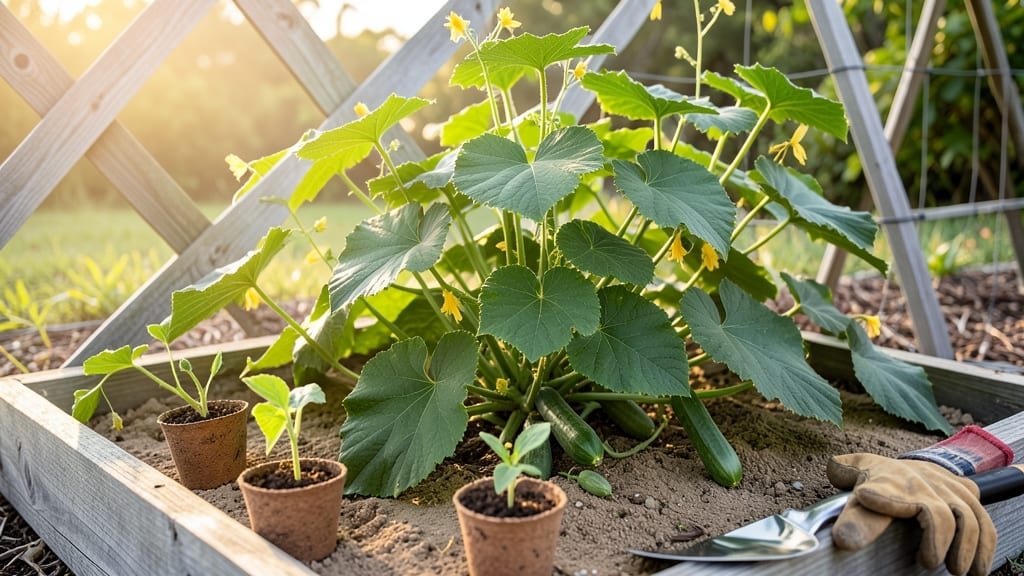
Planting cucumbers in Florida isn’t just about timing—it’s about beating the heat and humidity to avoid bitter, bolted harvests. With year-round growing potential in zones 9a-11, you can enjoy fresh 🥒 all season, but the wrong window means wasted effort.
Most gardeners in Florida know the classic windows—February through April and July through September—but what about the rest of the year? The key is understanding how your specific heat zone affects soil warmth and pest pressure.
Whether you're in North Florida’s cooler pockets or South Florida’s relentless summer sun, small adjustments make all the difference.
I’ll break down the exact months to plant for your region, plus pro tips to extend your harvest through Florida’s tricky transitions. We’ll cover soil prep, container options, and how to handle hurricanes without losing your crop. Ready to grow cucumbers that actually taste like summer?
Let’s dive into the heat-zone map that’ll keep your vines productive from January through December—no bolting, no stress, just crisp cucumbers all year. Your garden (and taste buds) will thank you.
Florida cucumber planting calendar by heat zone (avoid bolting)
Florida’s warm climate and extended growing season let you grow cucumbers almost year-round—but timing matters. Plant too early, and cool soil stunts growth. Plant too late, and scorching heat triggers bolting (premature flowering). The key? Match your planting to Florida’s 11 heat zones (USDA 8–11) and soil temperature thresholds.
Cucumbers thrive when soil hits 60°F+, but 70°F+ is ideal for germination. In Florida, this means two peak windows: early spring (Feb–Apr) and late summer (Jul–Sep). North Florida (zones 8–9) has cooler winters, while South Florida (zones 10–11) can grow cucumbers year-round with minimal risk of bolting.
Here’s your heat-zone breakdown for cucumber planting, including monthly targets, soil prep tips, and bolting triggers to avoid.
For North Florida gardeners, focus on February–March and August–September plantings. Soil in these months warms steadily, reducing bolting risks. Use a soil thermometer to confirm 60°F+ before sowing seeds or transplanting seedlings.
In Central and South Florida, you can plant year-round, but avoid June–July if possible. During these months, humidity spikes and heat stress can cause cucumbers to bolt within 2–3 weeks. Instead, opt for fall plantings (September–October) to escape summer’s worst conditions.
If you’re in South Florida (zones 10–11), treat cucumbers like a tropical perennial. Plant in March–May for spring harvests and October–December for winter crops. Use drip irrigation to keep roots cool during 90°F+ days, which prevents bolting.
Pro tip: For extended harvests, succession plant every 2–3 weeks during peak seasons. This ensures a steady supply of crisp cucumbers without overwhelming your garden at once. Pair this with vertical trellising to save space and improve air circulation.
Remember, bolting (premature flowering) is your biggest enemy in Florida’s heat. It’s triggered by stress—whether from too much heat, drought, or poor soil nutrition.
To prevent it, keep soil consistently moist, use mulch to regulate temperature, and choose heat-tolerant varieties like ‘Straight Eight’ or ‘Marketmore 76.’
With the right timing, your Florida cucumber patch can produce harvests every 4–6 weeks—even in the heart of summer. Start with your heat zone’s ideal window, monitor soil temps, and adjust for local microclimates (like coastal vs. inland areas). Soon, you’ll be enjoying homegrown cucumbers year-round!
Florida cucumber planting calendar by heat zone (avoid bolting)
Florida’s unique climate lets you grow cucumbers almost year-round, but timing matters to avoid bitter bolting and poor yields. The state’s 11 heat zones (USDA 8-10) create microclimates where early spring and late summer plantings thrive.
In North Florida (zones 8-9), cooler winters allow winter plantings, while South Florida (zones 10-11) can grow cucumbers in every month with proper care.
Key to success is soil temperature—wait until it reaches 60°F+ before planting. Florida’s humidity and heat can stress cucumbers, so seasonal transitions (like late spring to summer) require extra attention. Below, I’ve broken down the optimal planting windows by zone to maximize your harvest.
For North Florida growers, focus on early spring (February-March) and late summer (August-September) plantings. The cooler winter months (December-February) can work if you use row covers or greenhouses to protect young plants from unpredictable cold snaps.
In Central Florida, you can stretch plantings into January and October with careful soil warming techniques like black plastic mulch.
In South Florida’s tropical climate, cucumbers grow year-round, but peak harvests occur in winter (January-March) and late summer (August-October).
The summer heat (April-June) can cause bolting, so use shade cloth (30-50%) to protect plants. Hurricane season (June-November) also requires planning—consider container growing for easy relocation if storms approach.
Pro tip: Succession planting every 2-3 weeks ensures a continuous harvest. In Florida, this means starting new seeds or transplants in February, April, July, and September for North/Central, or monthly in South Florida. Always harden off seedlings for 7-10 days before transplanting to avoid shock.
Remember, soil preparation is critical—amend with compost and well-rotted manure to improve drainage in Florida’s heavy clay soils. Mulch heavily with straw or pine bark to retain moisture and regulate soil temperature. With these timing strategies, you’ll avoid bolting and enjoy crisp cucumbers all year! 🥒