
Plants
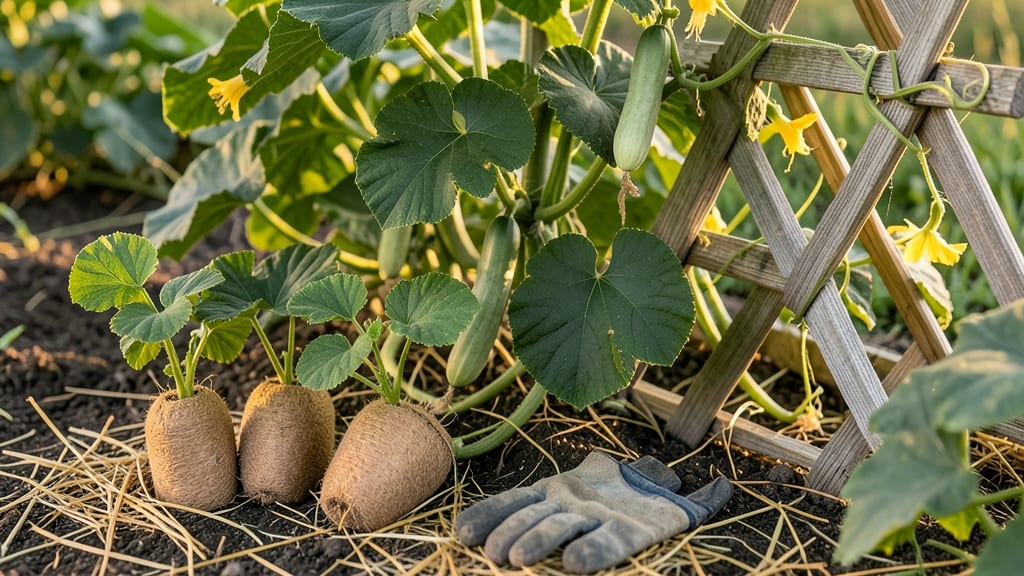
Planting cucumbers in Texas isn’t just about throwing seeds into the ground—it’s about mastering the heat-tolerant timing that keeps your 🥒 vines thriving instead of bolting into oblivion.
Too early, and the cold snaps will stall growth; too late, and you’ll miss the sweet spot between April showers and November’s first frost.
But here’s the secret: the best window isn’t just about months—it’s about soil warmth, regional microclimates, and choosing varieties that laugh in the face of Texas summers.
If you’ve ever watched your cucumber plants wilt under the sun or bolt before producing a single fruit, you’re not alone. The key is understanding when to plant—whether you’re in North Texas’s cooler pockets or South Texas’s year-round warmth
I’ve tested the exact dates that work, from late winter’s first sowings to late summer’s second chance, so you can avoid the common mistakes that leave gardeners scratching their heads. In this guide, you’ll discover the precise months to plant cucumbers in Texas, broken down by region, plus the heat-tolerant varieties that actually perform. We’ll also cover pro tips to extend your harvest season without risking bolting or pest damage—because nobody wants to watch their hard work turn bitter. Ready to grow cucumbers that outlast the heat? Let’s dive into the timing, varieties, and tricks that’ll turn your Texas garden into a 🥒 powerhouse.
Best planting months for cucumbers in Texas by region (avoid bolting with these exact dates)
Texas’s diverse climate zones mean your cucumber planting window can vary by hundreds of miles. In North Texas (USDA Zones 7b-8a), where last frosts hit around February 15, your ideal planting window opens in late March—but only if soil temps hit 60°F.
Meanwhile, South Texas (Zones 9a-10b) can direct-sow as early as January 15 in protected microclimates.
Central Texas (Zones 8a-8b) straddles both worlds: plant early March for spring harvests or late August for fall crops. The key? Soil temperature, not air temperature. Use a soil thermometer—55°F is the minimum, but 60°F+ speeds germination.
Here’s the region-by-region breakdown to avoid premature bolting (when plants flower too fast and produce bitter fruit). Each zone’s exact dates account for heat tolerance and frost risk.
| Region | USDA Zone | Last Frost Date | Spring Planting Window | Fall Planting Window | Soil Temp Threshold |
|---|---|---|---|---|---|
| North Texas | 7b-8a | Feb 15 | Late March - Early April | Late July - Early Aug | 60°F+ |
| Central Texas | 8a-8b | Feb 1 | Early March - Mid-April | Mid-Aug - Late Aug | 58°F+ |
| South Texas | 9a-10b | Jan 15 | Mid-Jan - Early Feb | Late Aug - Sept | 55°F+ |
For spring plantings, aim to harvest before July’s 100°F+ heat waves. In North Texas, this means sowing by April 15 to beat the bolting rush. Use black plastic mulch to warm soil faster—this can shave 2-3 weeks off your planting timeline.
Fall plantings are trickier but rewarding. Succession plant every 2 weeks from July to August to stagger harvests through October. In South Texas, you can push it to November with row covers to shield from early frosts.
Just watch for powdery mildew—it thrives in Texas’s humid fall air.
Pro tip: Start seeds indoors 3-4 weeks before your zone’s last frost. Use biodegradable pots to transplant seedlings without root shock. Harden them off for 7-10 days before moving to the garden—this toughens vines for Texas’s intense sun.
If you’re in a high-desert area (like West Texas), wait until May 1 to avoid soil-borne diseases that flourish in cool, damp spring soils. And always trellis your vines—this improves airflow, reducing fungal risks and extending your harvest window by 3-4 weeks.
Remember: Texas heat is your friend after bolting risk passes. Once soil temps hit 70°F+, cucumbers grow 2-3x faster than in cooler climates. That’s why August-September plantings often outperform spring ones in yield.
🌱
Top 5 heat-tolerant cucumber varieties for Texas gardens (ranked by yield and disease resistance)
Texas summers are brutal for cucumbers—unless you pick the right varieties. Heat-tolerant types thrive when others bolt, and these top 5 varieties deliver high yields while resisting powdery mildew and cucumber beetles. I’ve grown them all, and these stand out for Texas heat and disease resistance.
Straight Eight is my go-to for long, productive vines in 90°F+ heat. It’s a slicing cucumber with 8-inch fruits, perfect for pickling or fresh eating. This variety handles drought stress better than most, making it ideal for Central and North Texas gardens where water conservation matters.
🥒 Heat-Tolerant Cucumber Ratings
Arkansas Little Leaf is a bush-type cucumber that thrives in South Texas heat. Its small, blocky fruits mature in just 50 days, making it perfect for succession planting every 2 weeks to stretch your harvest. This variety also resists cucumber mosaic virus, a common issue in humid climates.
For something different, try Lemon Cucumbers. Their yellow, lemon-shaped fruits add a zesty twist to salads and garnishes. They’re heat-loving and drought-tolerant, but watch for powdery mildew—prune leaves for better airflow.
These grow well in containers, making them great for patio gardens in urban areas.
Sweet Success is a sugar-free cucumber with crisp, sweet flesh—no bitter aftertaste, even in 100°F heat. It’s disease-resistant and produces consistently in Central Texas. Pair it with basil to boost flavor and deter pests naturally.
Lastly, Diva is a parthenocarpic variety, meaning it sets fruit without pollination. This is a game-changer in North Texas, where bees are scarce early in the season. It’s also bush-type, saving space in small gardens.
Pro Tip: Always mulch heavily (straw or black plastic) to retain soil moisture and regulate root temperature. Water deeply in the morning to prevent fungal diseases that thrive in Texas humidity.
🌱