
Plants
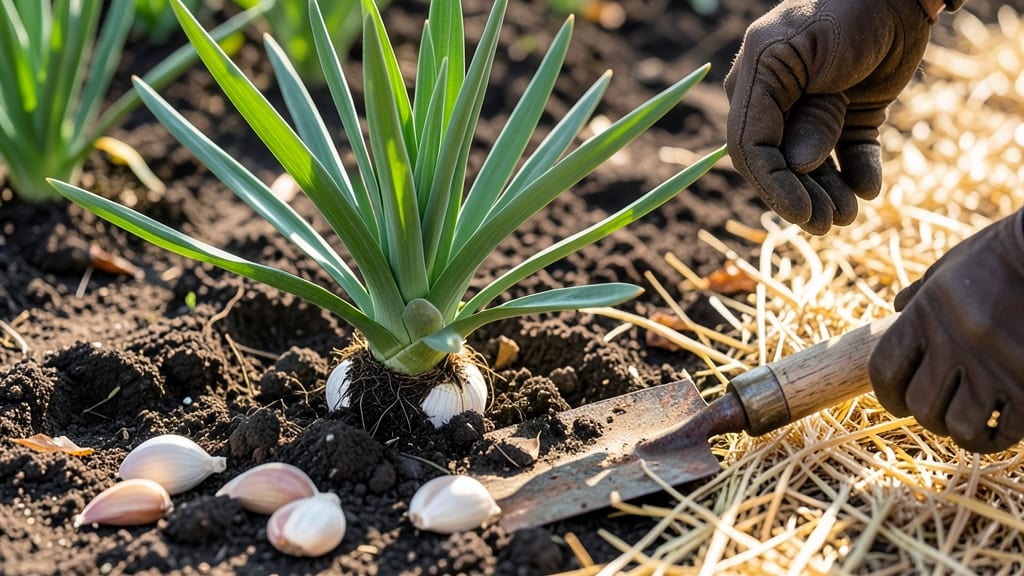
If you're wondering "when do you plant garlic in Minnesota", the answer isn't just about the calendar—it's about beating the first frost with 6 weeks to let those cloves establish roots before winter sets in.
The perfect window for hardneck garlic (the variety that thrives in our cold climate) is between late September and early October, when soil temperatures dip to 40-50°F—just right for root growth without encouraging early sprouting.
Planting garlic in Minnesota isn't just a seasonal task; it's a year-long investment that pays off in mid-July with plump, flavorful bulbs. While spring planting is possible, it’s a gamble in our short 120-day growing season, often leading to smaller yields or bolting (when garlic flowers prematurely).
The key to success? Timing, soil prep, and choosing the right hardneck varieties like Music or German White, which handle our 4a-5b zone winters like champs.
I’ve learned the hard way that rushing garlic into the ground too early means cloves rot, while waiting too long risks frost damage. The secret? Plant when soil is cool but workable—think crisp autumn days with a chill in the air.
And here’s a pro tip: break apart those garlic bulbs into individual cloves, plant the pointed end up, and cover them with 2 inches of soil. It’s simple, but this small step makes all the difference for a bountiful harvest the following summer.
Ready to grow your own? Let’s break down the exact steps, from soil prep to frost protection, so you can join the ranks of Minnesota gardeners who swear by their fall-planted garlic.
Trust me, there’s nothing like the satisfaction of pulling up those first golden cloves in July—especially when you know you timed it just right.
Optimal fall planting dates for Minnesota garlic (hardneck varieties only)
Minnesota’s cold winters and short growing season demand precise timing for garlic planting, especially for hardneck varieties that thrive in our climate. The ideal window is a 6-week span between September 15 and October 31, allowing cloves to establish roots before the ground freezes.
This timing ensures bulbs mature fully by next summer, yielding larger, more flavorful harvests.
Hardneck garlic, the preferred type for Minnesota, requires 40–50°F soil temperatures to sprout successfully. Planting too early (before mid-September) risks rot, while waiting too long (after November) leaves cloves vulnerable to frost damage.
Southern Minnesota’s milder microclimates (like the Twin Cities) can extend the window slightly, but northern regions (near the Canadian border) must plant by October 15 at the latest.
Here’s how to navigate the fall planting window with confidence:
Why hardneck garlic dominates in Minnesota? Its cold-hardy nature and tendency to produce scape shoots (edible stems) make it ideal for our climate. Softneck varieties, common in warmer regions, struggle with Minnesota’s freeze-thaw cycles and rarely produce large bulbs.
For best results, choose cloves from last year’s harvest—they’ve already undergone a chilling period, giving them a head start.
Pro tip: Use a soil thermometer to confirm temperatures hit 40°F before planting. If soil stays above 50°F for weeks, cloves may rot. In clay-heavy soils (common in northern MN), amend beds with compost or sand to improve drainage—a critical step for preventing rot during Minnesota’s wet springs.
Mulching with straw or leaves (2–3 inches) after planting insulates cloves from temperature swings. Remove mulch in early spring to prevent mold and encourage growth. This simple step can boost bulb size by 30–50%, turning good harvests into great ones.
Timing isn’t just about dates—it’s about soil conditions. Wait until soil is cool but workable (you should feel slight resistance when pressing your finger in).
Planting in dry soil risks cloves drying out, while soggy soil invites rot. Aim for a moisture level like a wrung-out sponge: damp but not soggy.
For gardeners in urban Minneapolis or rural northern MN, microclimates play a role. South-facing beds warm up faster, extending the planting window by 1–2 weeks. If your yard has shaded areas, prioritize them for garlic to maximize success.
Just remember: hardneck garlic needs full sun—at least 6 hours daily—to develop properly.
Miss the fall window? Don’t panic—spring planting is possible, but with trade-offs. We’ll cover that in the next section, including how to mitigate bolting risks and still get a harvest.
For now, mark your calendar: September 15–October 31 is your golden ticket to Minnesota-grown garlic that rivals commercial stores in flavor and size.
Spring planting garlic in Minnesota: risks, workarounds, and step-by-step guide
Spring planting garlic in Minnesota is a risky gamble—one that often results in smaller bulbs or even bolting plants. Unlike fall planting, where garlic establishes roots before winter, spring-planted garlic races against Minnesota’s short growing season (just 120 frost-free days).
But if you must plant in spring, timing and preparation are everything.
For spring planting, aim for March 1 to April 15, when soil temperatures stabilize above 40°F. This window gives garlic enough time to mature before fall frosts.
However, bulbs will likely be 30-50% smaller than fall-planted garlic, so choose this method only if you’re desperate for a harvest or experimenting with green garlic (harvested young).
🚨 WARNING: Spring-planted garlic is vulnerable to bolting—when it sends up a flower stalk instead of forming bulbs. This happens when days get too long or temperatures spike too early. To reduce risks, select early-maturing varieties like German White or Silverskin, and plant in partial shade if possible.
⚠️ Spring Planting Pitfalls in Minnesota
- Bolting risk: Long daylight hours trigger flowering.
- Smaller bulbs: Less time to mature = 50% yield loss.
- Pest pressure: Early spring attracts onion flies and aphids.
- Frost damage: Late frosts can kill young plants.
Spring planting is not recommended for bulb garlic in Minnesota’s climate. Use this method only for green garlic or if you missed the fall window.
If you’re committed to spring planting, follow this 5-step process to maximize your chances of success. Start by testing soil pH (aim for 6.0–7.0compost or aged manure to improve fertility. Avoid fresh manure, which can burn tender garlic roots.
Next, break apart garlic bulbs into individual cloves, keeping the papery skin intact. Plant the pointed end up, 2 inches deep, and 4 inches apart in rows 12 inches apart.
Space plants closer if you’re growing for green garlic (harvest before bulbs form). Use a straw mulch (2–3 inches thick) to retain moisture and insulate roots from temperature swings.
After planting, water deeply to settle the soil, then water lightly every 7–10 days—enough to keep the soil moist but not soggy. Avoid overhead watering to prevent fungal diseases like white rot.
Once plants reach 6 inches tall, reduce watering slightly to encourage bulb development. Harvest green garlic when shoots are pencil-thick (April–May), or wait for bulbs to mature by mid-July.
For a second chance at a harvest, consider interplanting spring garlic with fast-growing crops like radishes or lettuce. This way, you won’t waste garden space while waiting for your garlic to mature.
Just remember: spring-planted garlic is a last-resort strategy—your best bet for large, flavorful bulbs is always fall planting.