
Plants
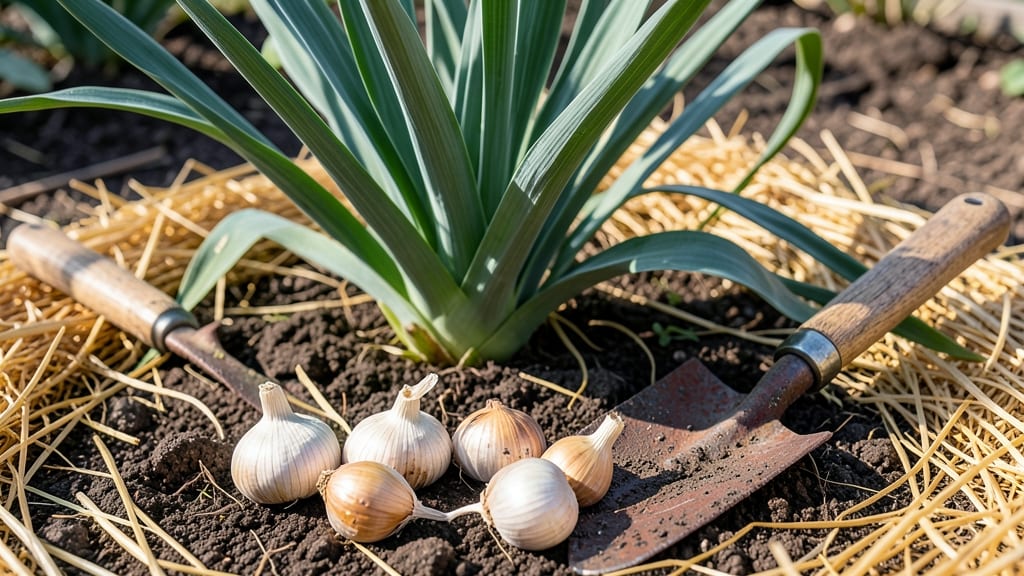
Planting garlic in New York isn't just about timing—it's about surviving the Empire State's frosty winters and thriving come harvest season. If you've ever wondered why your garlic cloves failed to grow or struggled to time your planting just right, you're not alone.
The best window for planting 🧄 in zones 5b-7b is narrow, and missing it can mean the difference between a bountiful harvest and wasted effort.
Most gardeners in New York know fall is the magic season for garlic, but the exact timing matters more than you think. Planting too early exposes your cloves to early frost, while waiting too late risks weak growth before winter sets in.
I'll break down the ideal months—late September to early November—and how to prepare your soil for maximum success, even in New York's unpredictable climate.
What sets successful garlic growers apart? It's not just about when you plant—it's about how you prepare. From choosing the right varieties for your zone to protecting your crop from deer and heavy soils, I'll share the secrets that guarantee hardier bulbs.
Whether you're a beginner or a seasoned gardener, these tips will help you avoid common mistakes and grow garlic that's ready to harvest next summer.
Ready to transform your garden? Let's dive into the step-by-step guide that will have you planting garlic at the perfect time, ensuring your cloves grow strong, survive the winter, and reward you with plump, flavorful bulbs by late June. Your future harvest starts now.
Best planting months for garlic in New York (by hardneck vs softneck varieties)
New York’s climate presents unique challenges for garlic growers, with USDA zones 5b-7b bringing early frosts and unpredictable winters. But timing your garlic planting correctly—typically between late September and early November—sets the stage for a zero-frost harvest the following summer.
The key difference? Hardneck varieties (like Music or German White) must be planted in fall to develop their signature scape, while softneck types (like Artichoke) can handle spring planting too.
In Upstate New York (zones 5b-6a), where winters are colder, aim for late September planting to give roots time to establish before the ground freezes. Meanwhile, NYC and Long Island (zones 7a-7b) can push planting into early November, thanks to milder winters.
The rule of thumb? Plant 4-6 weeks before the first hard frost—usually mid-October for most of the state.
Here’s how the two varieties stack up in New York’s climate:
Why does this timing matter? Garlic bulbs need 12-16 weeks of cold temperatures (below 40°F) to vernalize—essentially a natural dormancy trigger that ensures robust bulb formation. Plant too late, and your garlic may bolt (send up a flower stalk) instead of forming bulbs.
Conversely, planting too early risks rot from excess moisture before winter sets in.
For Upstate gardeners, check your last frost date (typically mid-November) and count backward. If you’re in zone 5b, aim for October 1st planting. In NYC or Long Island (zone 7b), you’ve got a bit more wiggle room—early November is still safe.
Use a soil thermometer to confirm the ground is below 50°F before planting; this prevents premature sprouting.
One NY-specific hack? If you miss the fall window, softneck varieties can be planted in early spring (March–April), but expect smaller bulbs. For hardnecks, spring planting is a no-go—they’ll flower instead of bulbing.
Always opt for organic, disease-free bulbs from reputable suppliers like Johnny’s Selected Seeds or High Mowing Seeds, which offer NY-adapted varieties.
Don’t overlook microclimates either. A south-facing slope in Albany may stay warmer longer than a low-lying valley in Buffalo. Adjust your planting date by 1-2 weeks based on your specific location.
And if you’re unsure? Err on the earlier side—garlic can handle light frosts once planted, but it won’t survive being planted into frozen soil.
Finally, mark your calendar for next year: late June to early July is when your garlic will be ready to harvest. But the real secret to success? Starting now—order your bulbs, prep your soil, and set your alarm for October planting.
How to prepare garlic for fall planting in New York’s climate
Fall is the best time to plant garlic in New York, but success hinges on preparation. The 4-6 weeks before ground freeze (typically late September to early November) is your planting window.
Start by selecting hardneck varieties like 'Music' or 'German Red'—they thrive in NY’s cold winters and produce flavorful bulbs.
Your first step is soil preparation. Garlic prefers well-draining, slightly acidic soil (pH 6.0–7.0). If your garden soil is heavy clay—common in Upstate NY—amend it with compost or aged manure to improve drainage. Test your soil’s pH using a kit from your local garden center.
New York’s humid climate can lead to fungal issues. Add 1 inch of compost and a 2-inch layer of mulch (straw or leaves) to protect cloves over winter.
Next, break apart garlic bulbs into individual cloves, ensuring each has a root and shoot. Plant the flat side down, about 2 inches deep and 4–6 inches apart in rows spaced 12 inches apart. This spacing prevents overcrowding and reduces disease risk.
For NY’s variable winters, consider planting in raised beds if your ground freezes deeply. Raised beds warm up faster in spring, giving garlic a head start. Mark your rows with stakes or flags to avoid disturbing the soil in early spring—garlic is dormant but alive under snow!
After planting, water deeply once to settle the soil. Avoid overwatering, as soggy soil can rot cloves. In Zone 5b (Upstate NY), expect 100+ days of winter chill—perfect for hardneck garlic. For Zone 7b (Long Island/NYC), plant slightly earlier to avoid early spring thaws.
Finally, fertilize lightly at planting with a 10-10-10 balanced fertilizer (1 tbsp per plant). Skip spring feeding—garlic draws nutrients from the soil as it grows. By late June, you’ll harvest plump bulbs ready for braiding or cooking!