
Plants
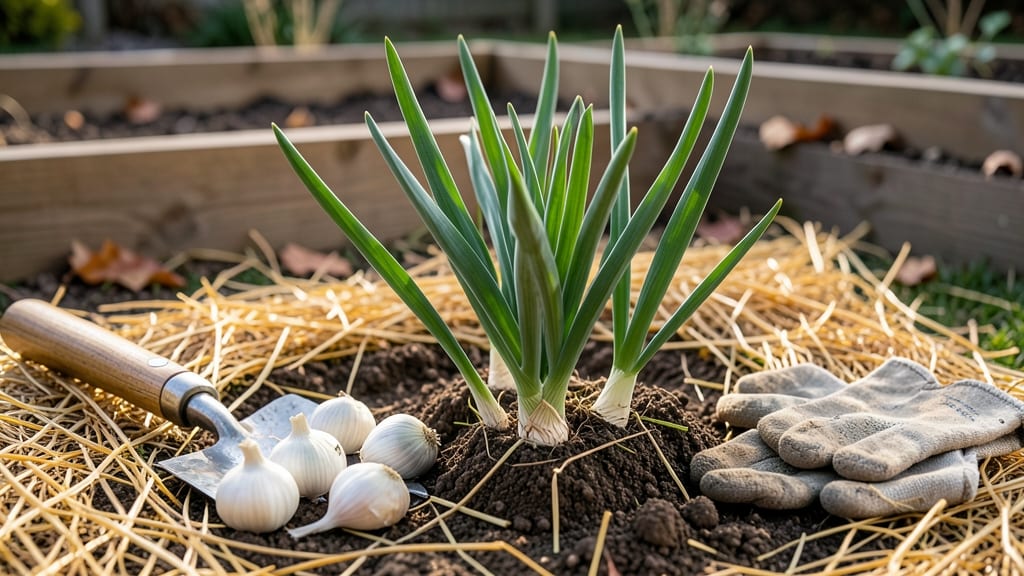
Planting your 🧄 garlic at the wrong time in Virginia can mean the difference between a thriving harvest and wasted effort—and the perfect window is narrower than you might think.
With Virginia’s 7a-8a climate, timing your fall planting just right ensures hardneck and softneck varieties establish strong roots before winter sets in.
Most gardeners in Virginia swear by planting between October and November, but the exact date depends on your microclimate and variety. Hardneck garlic, which thrives in colder winters, needs to be in the ground 4-6 weeks before the first frost, while softneck varieties can handle slightly warmer conditions.
Missing this window means weaker bulbs or even total failure.
In this guide, I’ll walk you through the perfect planting schedule for Virginia’s zones, including soil prep tips and how to adjust for your specific location. Whether you’re in the Piedmont or near the coast, these insights will help you avoid common mistakes and maximize your harvest.
Ready to grow plump, flavorful garlic? Let’s dive into the exact timing and techniques that work best for Virginia gardeners—so you can enjoy a bountiful crop from mid-July to August.
Best planting months for garlic in Virginia: hardneck vs softneck breakdown
Virginia gardeners know that timing is everything when it comes to growing garlic. The ideal planting window for garlic in Virginia is October through November, but choosing between hardneck and softneck varieties changes the exact timing.
Hardneck garlic thrives in colder climates and needs a cold period to form bulbs, while softneck prefers milder winters and can be planted slightly later.
Most of Virginia falls within USDA Zones 6b-8a, where hardneck garlic—like Rocky Mountain or German White—performs best. Softneck varieties, such as Silverskin or Artichoke, are better suited for warmer microclimates like coastal Virginia.
The key is planting 4-6 weeks before the ground freezes, which typically falls around mid-November in most regions.
Here’s how to align your planting with Virginia’s climate and variety needs:
For hardneck garlic, aim to plant by November 15 to ensure it gets enough cold exposure before winter. In cooler mountain regions (like the Shenandoah Valley), you can push planting to early December, but avoid waiting too long—soil temperatures below 40°F can stunt growth.
In warmer coastal areas (e.g., Hampton Roads), softneck varieties planted in late October may not get enough chill, so November is safer.
If you miss the fall window, you can still plant garlic in early spring (February-March), but bulbs will be smaller and less flavorful. This is only recommended for emergency planting or if you’re experimenting with spring garlic.
The trade-off is a delayed harvest in late fall, but it’s better than nothing!
Pro tip: Check your local frost dates using the Virginia Cooperative Extension’s frost maps. For most of Virginia, the average first frost is around November 15, but microclimates can shift this by 1-2 weeks.
For example, Blacksburg (Zone 7a) may freeze earlier than Richmond (Zone 7b), so adjust accordingly.
Once you’ve picked your variety and timing, prepare the soil by adding compost or well-rotted manure to improve drainage. Garlic hates soggy soil, so raise beds in heavy clay areas if needed. After planting, mulch with straw or leaves to protect cloves from freezing and suppress weeds.
Remember: Garlic planted in fall will start growing in early spring, so don’t be alarmed if you see green shoots in March—this is normal! With the right timing and care, you’ll be harvesting plump, flavorful bulbs by mid-summer.
🌱
Best planting months for garlic in Virginia: hardneck vs softneck breakdown
Virginia’s USDA Zones 7a-8a create a perfect climate for growing both hardneck and softneck garlic, but timing matters more than you might think. The ideal window for planting is 4-6 weeks before the first hard frost, which in Virginia typically falls between mid-October and mid-November.
This timing ensures garlic bulbs establish strong roots before winter dormancy.
Hardneck varieties, like 'Music' or 'German White', thrive in Virginia’s cooler winters and produce scape shoots that can be harvested in spring. Softneck varieties, such as 'Silverskin' or 'Artichoke', prefer milder winters and are better suited for coastal Virginia where temperatures rarely drop below 20°F.
Both types need well-draining soil and full sun exposure for optimal growth.
🌱 Virginia Garlic Planting Guide
| Variety | Best Planting Month | Soil Temp | Notes |
|---|---|---|---|
| Hardneck | October 15–November 15 | 40–50°F | Cold-hardy; scapes in spring |
| Softneck | September 15–October 30 | 50–60°F | Milder climate; longer storage |
📌 Pro Tip: Use a soil thermometer to confirm ideal planting temps before committing.
If you miss the fall planting window, you can try planting in early spring (March), but bulbs will be smaller and less flavorful. Spring-planted garlic doesn’t have time to fully mature before summer heat sets in, which stresses the plants.
For best results, stick to fall planting and choose cloves from organic, disease-free bulbs.
One common mistake is planting garlic too early when soil temperatures are still warm. Garlic needs cool soil (below 60°F) to trigger bulb formation. If planted too soon, cloves may rot or sprout weakly. Aim for soil temps between 40–50°F for hardneck varieties and 50–60°F for softneck.
Virginia’s microclimates also play a role—coastal areas like Norfolk can plant slightly later (up to December 1), while mountain regions like Roanoke should plant by mid-October to avoid early frosts. Always check your local last frost date and adjust accordingly.
For a foolproof harvest, mark your calendar for mid-July to August when garlic is ready. Look for brown lower leaves and firm bulbs before pulling. With the right timing, you’ll enjoy homegrown garlic that’s sweeter and more robust than store-bought!