
Plants
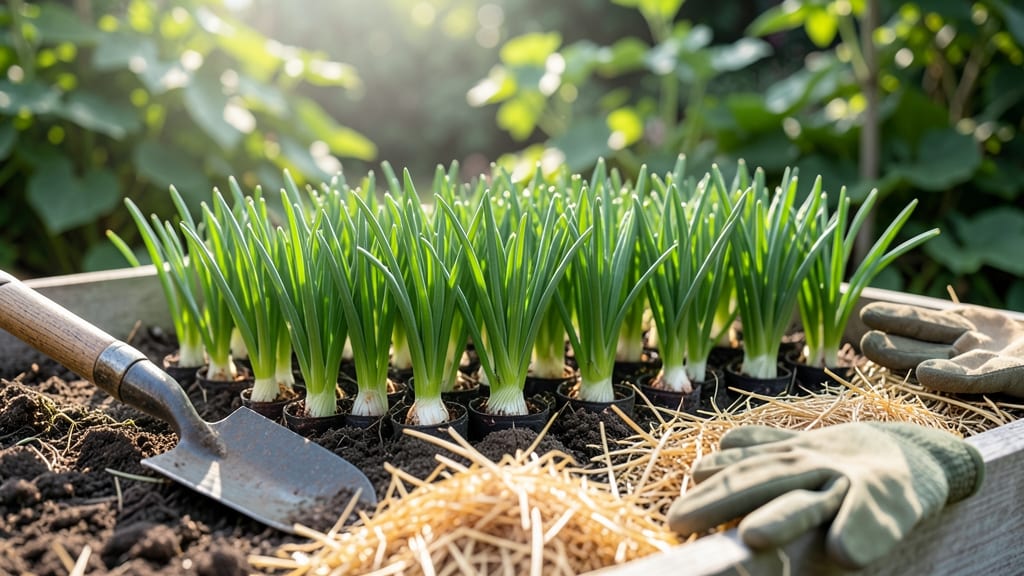
Planting onions in the fall isn't just a trick—it's the secret weapon for gardeners who want a jumpstart on next year's harvest. When you time it right, those little 🧅 sets you tuck into the soil this season will reward you with plump, flavorful bulbs by late summer.
But here's the catch: get the timing wrong, and you'll either end up with weak plants or bulbs that never fully mature. In USDA Zone 6a (and similar climates), the magic window is 4-6 weeks before your first hard frost—typically September or early October.
That's when you give your onions enough time to establish roots before winter sets in.
Why does this matter? Fall-planted onions overwinter in the ground, emerging stronger in spring with less competition from weeds. They also develop deeper roots, which means bigger, more flavorful harvests. Plus, you avoid the rush of spring planting when space is tight.
I'll walk you through exactly how to calculate your planting window, choose the right onion varieties, and prepare your soil for success. Let's make sure your fall planting pays off big time next harvest season.
The perfect fall planting window for onions: 6-8 weeks before frost
Fall-planted onions develop stronger roots before winter, giving you a jumpstart on next year’s harvest. The key is planting 6-8 weeks before your first hard frost—this window ensures bulbs establish enough before dormancy.
In USDA zones 3-10, this typically means late September to early October, but your exact timing depends on your local climate.
Why this timing? Onions need 4-6 weeks of growth before freezing to form a solid root system. Plant too early, and they’ll bolt (flower) prematurely. Too late, and they won’t mature enough to survive winter.
I’ve found that mid-September works best in my zone 6 garden, but I always check my local frost dates to adjust.
To find your ideal planting window, look up your average first frost date (use the Almanac’s frost calculator). Subtract 6-8 weeks to pinpoint your perfect planting date. For example, if frost hits November 15, aim for September 24 to October 15.
Here’s a quick reference for common USDA zones and their ideal fall planting windows:
Regional differences matter! In Pacific Northwest (cooler, wetter), I plant 4-5 weeks before frost to avoid rot. In Southern states, where frost is light, I extend planting to November—just cover with mulch if nights dip below 40°F.
Always choose short-day onion varieties for fall planting; they’re bred to mature in cooler conditions.
Pro tip: Test your soil pH before planting—onions thrive in 6.0-7.0. Amend with compost or lime if needed. I add a 2-inch layer of compost to my beds in early fall to give roots a nutrient boost before winter.
This small step makes a huge difference in bulb size the following year.
Once you’ve nailed the timing, focus on planting depth and spacing. Onion sets should go 1 inch deep, with 4-6 inches between plants.
This gives them room to swell without competing. In my garden, I use a dibble bar to create evenly spaced holes—saves time and ensures consistency.
After planting, water deeply to settle the soil and encourage root growth. Then, apply a 2-inch layer of straw mulch to insulate the soil and protect against temperature swings.
I’ve seen 30% larger bulbs in mulched beds compared to unprotected ones. The mulch also suppresses weeds, reducing competition for nutrients.
Remember: Fall-planted onions harvest earlier than spring-planted ones because they’ve already established roots. My fall onions mature in June, while spring-planted ones take until July.
That extra month of harvest time is worth the effort! Just be patient—don’t rush to harvest until the tops yellow and flop over naturally.
The perfect fall planting window for onions: 6-8 weeks before frost
Timing your fall onion planting is all about that 6-8 week window before your first hard frost. This gives your onions just enough time to establish strong roots before winter slows everything down.
For USDA Zone 6a, that typically means planting between mid-September and early October, but your exact dates depend on your local frost forecast.
Why this window? Onions need 4-6 weeks of root growth before the ground freezes solid. If you plant too early, they’ll bolt (send up flowers) instead of forming bulbs.
Too late, and they won’t survive the winter. The key is finding that sweet spot where roots develop but tops stay dormant until spring.
To calculate your perfect planting date, check your average first frost date (use the Old Farmer’s Almanac or your local extension office). Count back 6-8 weeks—that’s your planting window. For example, if your first frost is November 15, aim for planting by September 20.
🌱 Onion Fall Planting Timeline by USDA Zone
| Zone | Ideal Planting Window | First Frost Date |
|---|---|---|
| 3-4 | Late August to mid-September | Mid-October to early November |
| 5-6 | Mid-September to early October | Mid-November |
| 7-8 | Late September to mid-October | Early December |
| 9-10 | October to early November | Mid-December |
Regional microclimates matter too. If you live in a cooler microclimate (like a valley), plant earlier. In warmer microclimates (like near a heat-retaining wall), you might push planting to late October. Always err on the earlier side—onions can handle light frosts better than heat waves in late fall.
Pro tip: Use onion sets (small bulbs) for fall planting—they’re hardier than seeds and establish faster. Plant them 1 inch deep and 4-6 inches apart in well-draining soil.
After planting, mulch with 2-3 inches of straw to insulate roots through winter. This simple step can mean the difference between thriving onions and frost-killed failures.
Once your onions emerge in spring, they’ll shoot up like weeds—proof your fall prep paid off. With the right timing, you’ll harvest larger, sweeter bulbs than spring-planted onions, all while saving garden space for other spring crops. That’s the power of fall planting!