
Plants
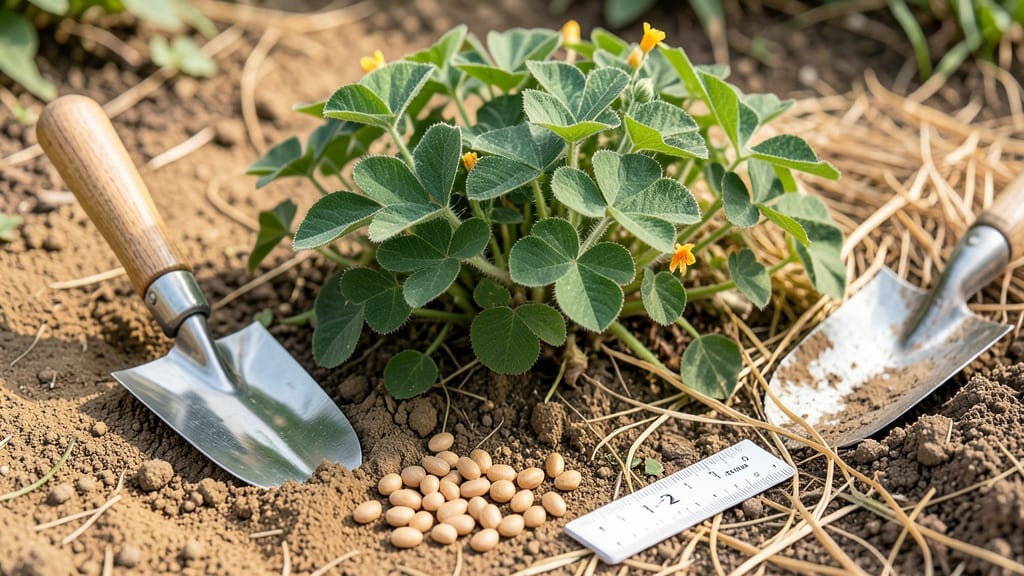
If you're dreaming of a bountiful 🥜 peanut harvest in Georgia, timing your planting is the most important step—get it wrong, and you could end up with stunted plants or lost yields.
Georgia’s USDA zones 7b-8b offer the perfect climate for peanuts, but the key lies in waiting for the soil to warm to 70°F+ before planting.
Most Georgia growers start their spring planting between mid-April and early June, a window that balances frost risk with the need for consistent warmth.
But here’s the catch: planting too early when soil temps dip below 60°F can lead to poor germination, while waiting too long might push your harvest into cooler fall months.
In this guide, I’ll break down the exact soil temperature triggers, the best heat-tolerant peanut varieties for Georgia’s heat, and how to adjust your planting schedule based on your region—whether you’re in coastal areas with milder winters or inland zones with sharper temperature swings.
Ready to set your peanuts up for success? Let’s dive into the month-by-month planting calendar that’ll help you avoid common mistakes and maximize your harvest from late August through October.
Georgia peanut planting calendar: exact soil temperature & month-by-month guide
Peanuts thrive in Georgia’s warm climate, but planting them at the wrong time can lead to stunted growth or total crop failure. The key to success lies in soil temperature—peanuts need the ground to reach at least 50°F for germination, but 70°F+ is ideal for vigorous growth.
In Georgia’s USDA zones 7b–8b, this typically means waiting until after the last frost date, which usually falls around March 15 in most regions.
However, coastal areas like Savannah may experience warmer soil earlier, while inland regions like Atlanta might need to wait until mid-April. Always check your local frost-free date and monitor soil temps with a soil thermometer to avoid planting too soon.
Early planting risks frost damage, while waiting too long can shorten the growing season and reduce yields.
Here’s a month-by-month breakdown of when to plant peanuts in Georgia, including regional adjustments and critical deadlines:
| Month | Soil Temp Requirement | Planting Window | Regional Notes |
|---|---|---|---|
| March | 50°F+ (coastal only) | Late March (coastal) | Risk of late frosts; use row covers. |
| April | 60°F+ (ideal) | Mid-April to early May | Best time for most of Georgia. |
| May | 70°F+ (optimal) | Early to mid-May | Peak planting for inland areas. |
| June | 75°F+ (late planting) | Early June (emergency) | Only for fast-maturing varieties. |
If your early planting fails due to cool soil or unexpected frosts, Georgia’s emergency replanting deadline is typically mid-June. After that, peanuts won’t have enough time to mature before the first frost in mid-November.
For coastal areas, you might squeeze in a late June planting, but yields will be significantly lower.
Another critical factor is humidity. Georgia’s hot, humid summers can lead to fungal diseases like leaf spot or tomato spotted wilt virus (TSWV). To mitigate this, plant resistant varieties (like Georgia Red or Southern Runner) and ensure your soil is well-draining.
Avoid planting in low-lying areas where water pools, as peanuts hate soggy roots.
Pro tip: Use a black plastic mulch to warm the soil faster and suppress weeds. Lay it down 2–3 weeks before planting to give the ground time to heat up. This is especially helpful in cooler inland regions like North Georgia, where soil temps lag behind coastal areas.
Finally, pay attention to moon phases if you’re planting by lunar cycles. The waxing moon (when the moon is growing) is traditionally considered ideal for planting above-ground crops like peanuts, as it encourages upward growth. Check a lunar planting calendar for Georgia’s specific phases during your planting window.
By following this month-by-month guide and adjusting for your local microclimate, you’ll give your peanuts the best shot at a bountiful harvest—ready to dig up in late August to October when the pods are plump and ready to enjoy!
Georgia peanut planting calendar: exact soil temperature & month-by-month guide
Georgia’s peanut-growing season hinges on soil temperatures and frost-free dates. Peanuts need warm soil (at least 60°F) to germinate, which typically happens in mid-April across most of the state. Coastal areas like Savannah can plant 2-3 weeks earlier than inland regions like Athens due to milder winters.
The last frost date in Georgia usually falls around March 15, but peanuts shouldn’t go in the ground until after April 1. Early planting risks frost damage or poor germination in cooler microclimates. Always check your local USDA zone (7b-8b) for precise timing.
| Month | Soil Temp | Planting Window | Key Considerations |
|---|---|---|---|
| April | 60°F+ | Mid-April to May 1 | Ideal for most regions; use black plastic mulch to warm soil faster. |
| May | 70°F+ | May 1-15 | Best for late varieties; avoid if drought stress is forecasted. |
| June | 75°F+ | Early June (emergency replant) | Only for failed early plantings; yields may be reduced. |
If your April planting fails due to cool soil or pests, you can replant in early June, but expect smaller yields. Georgia’s harvest window (late August-October) depends on variety maturity, so late plantings may not fully ripen before frost.
Prioritize early-maturing varieties like Georgia Red for June replants.
For coastal Georgia, aim for April 1-15 to avoid hurricane season interfering with harvest. Inland areas should wait until after April 15 to ensure soil warmth. Always test soil pH (6.0-6.5) before planting—peanuts thrive in slightly acidic conditions.
Use black plastic mulch or straw mulch to maintain soil temperatures above 70°F during germination. Without mulch, peanuts may take 2+ weeks longer to sprout in Georgia’s variable spring weather. Monitor daily highs—consistent 80°F+ days speed up growth.
Remember: Peanuts are a warm-season crop, so never plant before soil reaches 60°F. Use a soil thermometer to confirm—this simple tool prevents costly mistakes. Once planted, maintain consistent moisture for 60 days to establish roots before tapering water.