
Plants
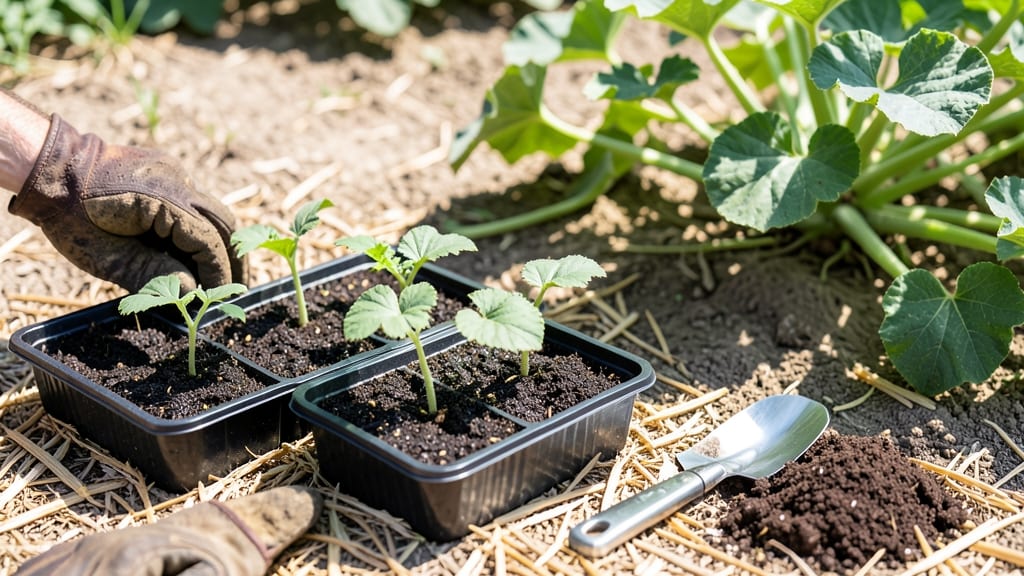
If you’ve ever wondered when do you plant pumpkins in Kansas to unlock those jaw-dropping harvests, the answer lies in one simple factor: timing.
Planting your pumpkins at the wrong moment—whether too early to escape frost or too late for full maturation—can mean the difference between a bountiful fall and a disappointing patch.
Kansas gardeners in USDA Zones 5b-7a face unique challenges, from unpredictable spring frosts to scorching summer heat. The key to success isn’t just knowing when to plant—it’s understanding how to work with your local climate.
Whether you’re starting with seeds or seedlings, the ideal window is narrow but critical: mid-April to mid-May, once soil temperatures hit a steady 70°F.
In this guide, I’ll break down the exact planting schedule for each Kansas zone, including frost risk timelines and soil prep tips. You’ll also discover the best pumpkin varieties for your region—whether you’re growing giant carving pumpkins or quick-maturing varieties for shorter seasons.
Let’s make sure your pumpkins thrive from vine to harvest.
Ready to avoid the common mistakes that ruin pumpkin patches? You’ll learn how to adjust for Kansas’ unpredictable weather, from drought-resistant varieties to heat-tolerant planting tricks. By the end, you’ll have a foolproof plan to grow pumpkins that outshine the rest of the neighborhood.
Kansas pumpkin planting dates by USDA Zone (with frost risk breakdown)
Kansas spans USDA Zones 5b through 7a, and each zone has its own last frost date and optimal planting window for pumpkins. Getting the timing right means the difference between healthy vines and frost-killed seedlings.
Most Kansas gardeners aim to plant after April 15, but exact dates depend on your zone.
Pumpkins need 70-90 days to mature, so planting too late risks immature harvests before the first frost (typically mid-October). Start seeds indoors 2-3 weeks before your last frost date if you’re transplanting, or sow directly after soil warms to 70°F.
Here’s how to match your zone to the perfect planting window:
| USDA Zone | Last Frost Date | Direct Sow Window | Transplant Window | Soil Temp Threshold |
|---|---|---|---|---|
| Zone 5b (Northeast KS) | April 20–May 5 | May 1–May 15 | April 15–April 30 | 70°F+ (21°C+) |
| Zone 6a (Central KS) | April 10–April 25 | April 25–May 10 | April 1–April 15 | 65°F+ (18°C+) |
| Zone 6b (South-Central KS) | April 5–April 20 | April 20–April 30 | March 25–April 10 | 65°F+ (18°C+) |
| Zone 7a (Southwest KS) | March 25–April 10 | April 1–April 15 | March 15–March 30 | 60°F+ (15°C+) |
For Zone 5b gardeners, early varieties like ‘Jack Be Little’ (60 days) are your best bet—plant by May 1 to avoid frost. In Zone 7a, you can start as early as March 15 for transplanting, giving you a longer growing season.
Pro tip: Use black plastic mulch to warm soil faster in cooler zones (like 5b). This can shave 1-2 weeks off your planting timeline by raising soil temps by 5-10°F.
Always check your local Almanac frost dates—Kansas’ unpredictable weather can shift frost windows by 1-2 weeks yearly. For example, 2023’s last frost in Wichita (Zone 7a) came April 3, while 2022’s was April 18.
If you’re unsure about your zone, use the USDA Plant Hardiness Zone Map or enter your ZIP code into Kansas State University’s Garden Guides for hyper-local advice. Zone 6a (central KS) is the most common, covering cities like Manhattan and Salina.
Once you’ve nailed the planting date, focus on soil prep: pumpkins thrive in well-draining, compost-rich soil with a pH of 6.0–6.8. Add aged manure or compost 2 weeks before planting to boost nutrient levels.
🎃
How to adjust pumpkin planting for Kansas’ unpredictable weather (droughts, heatwaves, early freezes)
Kansas’ unpredictable spring weather can turn a perfect pumpkin patch into a gamble. Late frosts in May or early freezes in September are real threats, especially in USDA Zone 5a.
The key? Flexibility in your planting strategy to account for droughts, heatwaves, and hail storms that frequently disrupt Kansas’ growing season.
Start by choosing fast-maturing varieties like ‘Jack Be Little’ (70–75 days) for northern Kansas or ‘Howden’ (90–100 days) for southern regions. These varieties give you a buffer of 2–3 weeks if weather delays occur.
For example, if you plant ‘Jack Be Little’ in late April in Zone 5a, you’ll still have a harvest before the first frost—even if May brings unexpected chills.
Another pro tip: Use black plastic mulch to warm soil faster and protect seedlings from temperature swings. This method can shave off 1–2 weeks from your planting timeline by creating a microclimate that’s 5–10°F warmer than bare soil.
Just be sure to remove it in late summer to prevent overheating before harvest.
🌡️ Warning: Kansas Weather Pitfalls
- Late Frosts (May): Wait until soil temps hit 70°F (use a soil thermometer) before planting. Cold soil stunts growth.
- Droughts (June–July): Water deeply 2x/week—pumpkins need 1–2 inches of water weekly during flowering.
- Hail (Summer): Protect young plants with row covers or cloches if storms are forecasted.
- Early Freezes (September): Harvest before first frost—even small pumpkins store well if cured properly.
For gardeners in Zone 7a, where summers are hotter and humidity higher, focus on disease-resistant varieties like ‘Autumn Gold’ or ‘Small Sugar.’ These handle powdery mildew better than standard types.
Pair them with drip irrigation to keep foliage dry—this reduces fungal risks by up to 60% compared to overhead watering.
If you’re in Zone 5a or 5b, consider staggered planting: sow half your seeds in early May and the other half in late May. This spreads your harvest window and minimizes losses if one batch fails due to unseasonable cold.
For example, ‘Cinderella’ (80–90 days) planted in early May might bolt in a late frost, but a second planting in late May could still yield pumpkins by October.
Finally, monitor your local Almanac frost dates but don’t rely on them exclusively. Kansas’ microclimates vary wildly—low-lying areas like the Flint Hills can frost weeks after Wichita’s last frost. Use a personal weather station or check Kansas State University’s AgWeather reports for real-time adjustments.