
Plants
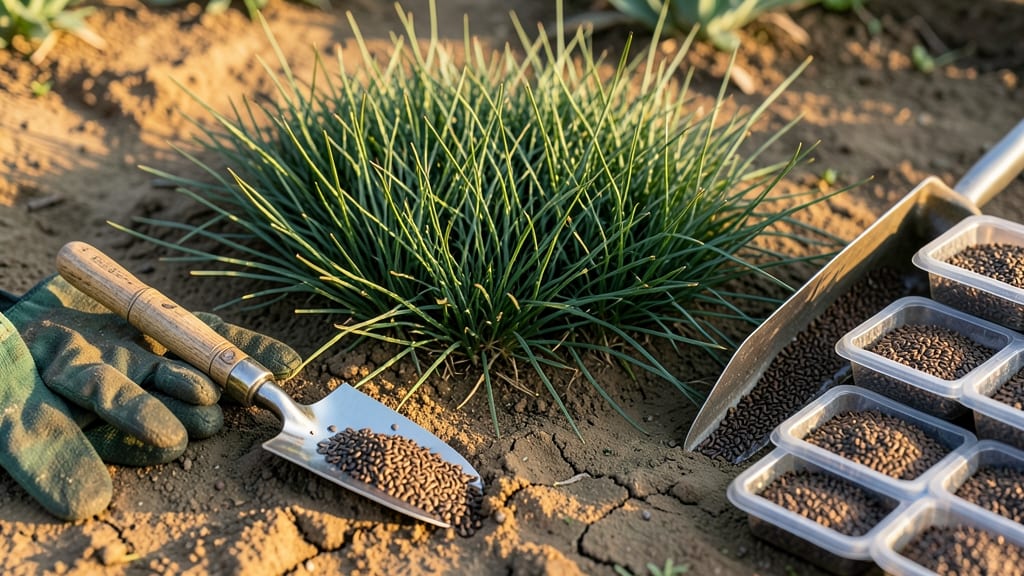
Planting ryegrass in Texas at the wrong time can leave you with sparse coverage or wasted seed—so getting the timing right is everything for a lush, hardy lawn or pasture.
Whether you're preparing for winter forage or erosion control, the late summer to early fall window (August through October) is your best bet for success in zones 8a-10b.
But here’s the catch: Texas’ diverse climate means planting deadlines vary wildly from North to South Texas. In cooler regions like 8a, you might need to plant by early October to avoid early frosts, while South Texas gardeners in 10b have more flexibility until November.
I’ll break down the exact windows and how to adjust for your specific zone.
You’ll also discover how to prepare your soil, choose the right ryegrass variety, and even handle unexpected weather shifts—like drought or early freezes—that can throw off your planting schedule. Let’s make sure your ryegrass thrives, no matter where you are in the Lone Star State.
Ready to plant with confidence? By the end, you’ll know exactly when to drop those seeds for maximum growth, whether you’re overseeding in late winter or prepping for spring harvest. Let’s get started!
Texas rye grass planting deadlines by hardiness zone (fall schedule)
Texas spans USDA hardiness zones 7-10, and rye grass thrives best when planted 4-6 weeks before the first frost. In North Texas (zones 7-8), that means aiming for mid-August to early September.
For Central Texas (zones 8-9), you’ve got until late September to early October, while South Texas (zones 9-10) can plant as late as October 15.
Rye grass germinates best in soil temperatures between 50°F and 75°F. Planting too early (July) risks heat stress, while waiting too long (November) may leave it vulnerable to frost damage before establishing roots. Timing is especially critical for winter forage or erosion control projects.
Here’s the exact fall planting window for Texas zones, including last recommended dates to avoid winter kill:
| Zone | Ideal Planting Window | Last Safe Date | Notes |
|---|---|---|---|
| 7 (North Texas: Amarillo, Lubbock) | Mid-August to early September | September 15 | Plant early to establish before first frost (Dec 15). |
| 8 (Central Texas: Dallas, Austin) | Late August to late September | October 1 | Avoid planting after first frost (Nov 15). |
| 9 (South Texas: San Antonio, Corpus Christi) | September to October 15 | October 31 | Warmer zones allow late fall planting. |
| 10 (Deep South Texas: Brownsville, McAllen) | October to November 15 | November 30 | Plant after first frost (Oct 15) for spring growth. |
For overseeding existing lawns, plant rye grass 2-3 weeks earlier than the table suggests. This gives seedlings time to outcompete weeds before winter sets in. In North Texas, that means late July to early August.
Soil temperature is your best gauge. Use a soil thermometer to confirm temps are below 80°F but above 60°F. In Central Texas, this typically aligns with mid-September, while South Texas can wait until early October.
If you’re planting for winter forage, prioritize Annual Ryegrass varieties like Marshall or Gulf, which establish faster in cooler fall temps. For erosion control, Winter Ryegrass (e.g., Wrens Abruzzi) handles light frosts better.
Pro tip: Test your soil pH before planting. Rye grass prefers 6.0-7.0. If your soil is too acidic, amend with lime 4-6 weeks before planting to avoid nutrient lockout.
After sowing, lightly rake seeds into the soil (¼-inch deep) and water gently to avoid washing seeds away. Keep the soil consistently moist (not soggy) until germination, which typically takes 7-14 days in ideal conditions.
Missed the fall window? You can still plant late winter (February) for spring growth, but expect slower establishment and less winter coverage. This works best in South Texas (zones 9-10) where frost risk is lower.
How to adjust planting time for Texas weather extremes (drought, heat, OR early freezes)
Texas weather can be unpredictable—one day it’s scorching, the next it’s freezing. For ryegrass, these extremes can throw off your planting schedule if you’re not prepared.
In North Texas, where early frosts hit by December 15, you might need to plant by mid-October to ensure germination before the ground hardens. Meanwhile, South Texas gardeners in zone 10b can often plant until November 15 without rushing.
But what if an unexpected freeze rolls in? If temperatures drop below 32°F before your ryegrass establishes, germination slows or stops. To hedge your bets, plant 4-6 weeks before your area’s first frost date—this gives seeds time to sprout and develop roots before winter sets in.
Check your local USDA hardiness zone for precise deadlines.
Drought is another Texas wildcard. If your region experiences extended dry spells (like in West Texas), consider pre-watering your soil 2-3 days before planting. This ensures seeds stay hydrated during the critical germination phase.
A light mulch layer (like straw) can also lock in moisture and protect young seedlings from heat stress.
Watch for These Texas-Specific Risks
- Early Freezes: Plant by October 15 in North Texas to avoid frost damage.
- Heat Waves: Avoid planting in August if temps exceed 95°F—opt for early September instead.
- Drought Conditions: Pre-water soil and use mulch to retain moisture.
- Heavy Rains: Delay planting if forecast calls for 2+ inches of rain in 48 hours.
If you’re in Central Texas (zones 8a-8b), aim for a late September planting to balance frost risk and heat. Start seeds indoors in early September if your outdoor conditions are too hot.
For South Texas, where winters are milder, you can push planting to early November, but monitor forecasts for unexpected cold snaps.
Pro tip: Use a soil thermometer to check if soil temps are above 50°F before planting. Ryegrass germinates best in 60-70°F soil, so wait for cooler fall days if early planting is too hot. This small step can mean the difference between a thriving lawn and wasted seed.
Finally, if you miss the fall window, don’t despair—overseeding in late winter (February) is a great backup. Just adjust your expectations: spring growth will be slower, but you’ll still get coverage for erosion control or forage. Flexibility is key in Texas gardening!