
Plants
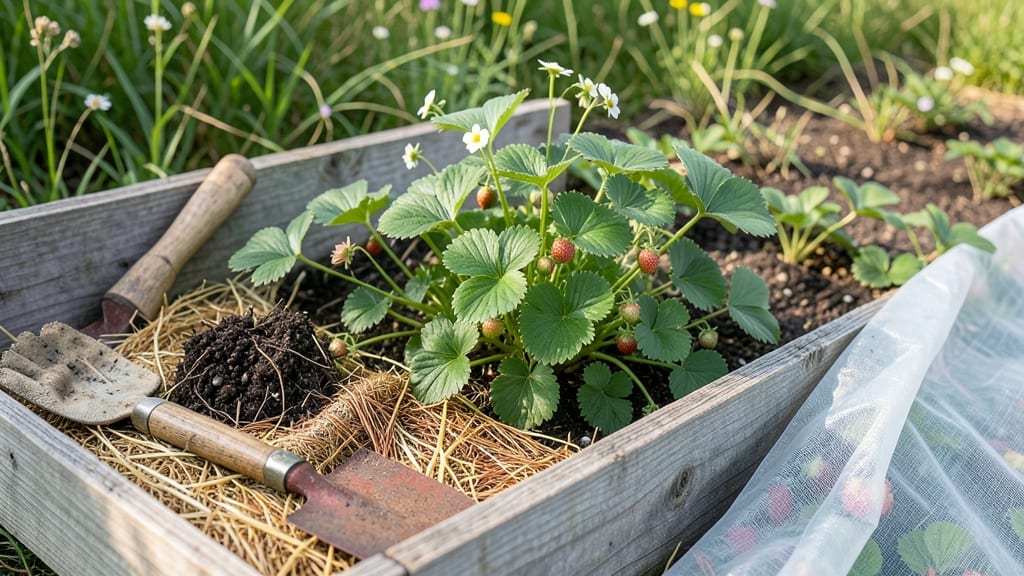
Timing your strawberry planting in New York can mean the difference between a bountiful harvest and wasted effort—especially when avoiding the dreaded "bolting" that turns flowers into fruitless stalks before berries even ripen.
The ideal window for planting these 🍓 gems isn't just about the calendar; it's about syncing with New York's 5a-7b climate, where a single misstep can leave you with bitter disappointment instead of sweet rewards.
Most gardeners in the Empire State know the basics: early spring or fall. But here's what they don't tell you—why spring-planted varieties need chilling hours to break dormancy properly, or how fall plantings must establish roots before winter's first frost.
These details separate the successful growers from those who end up pulling up their plants in frustration by July.
What if you could plant once and enjoy berries for years without replanting? The secret lies in understanding your strawberry variety's needs—whether it's June-bearing, everbearing, or day-neutral—and matching them to New York's variable frost dates from NYC to Buffalo.
I'll show you exactly how to time it right, so you're harvesting plump, juicy berries from June through September without the guesswork.
Ready to transform your garden into a strawberry powerhouse? Let's dive into the precise planting schedule that works for New York's climate, plus pro tips to maximize your yield and keep those pesky birds from stealing your harvest before you do.
Best planting months for strawberries in New York by variety type
New York’s USDA zones 5a-7b create unique challenges for strawberry growers, but timing your planting correctly can mean the difference between a bountiful harvest and wasted effort. The key is understanding how variety types and micro-climates (like NYC vs. Upstate) affect your planting window.
Let’s break it down by the three main strawberry categories: June-bearing, everbearing, and day-neutral.
For June-bearing varieties—the most popular in New York—planting in early spring (March-April) ensures they flower and fruit in sync with the growing season. Everbearing varieties, however, can handle fall planting (September-October) for a smaller harvest the following spring, while day-neutral varieties offer flexibility with spring or fall options.
Each type responds differently to New York’s chilling hours and frost dates, so let’s dive into the specifics.
| Variety Type | Ideal Planting Months | NYC Adjustment | Upstate NY Adjustment | Harvest Window |
|---|---|---|---|---|
| June-Bearing | March-April (spring) | Plant in late April to avoid late frosts | Plant in early April for earlier harvest | June-July (spring-planted) |
| Everbearing | March-April (spring) OR September-October (fall) | Fall planting by mid-September only | Fall planting by early October | June-July (spring) + August-Sept (fall) |
| Day-Neutral | March-April (spring) OR September-October (fall) | Spring planting preferred; fall planting risky | Fall planting by late September | June-October (continuous) |
June-bearing strawberries are the workhorse of New York gardens, producing 80% of the state’s commercial harvest. Their single massive crop in late spring/early summer makes them ideal for preserving (freezing, jams, or dehydrating).
Plant them 4-6 weeks before your last frost date, which in NYC is typically mid-April, while Upstate areas like Syracuse or Buffalo can plant 2-3 weeks earlier.
Everbearing varieties, like ‘Ozark Beauty’ or ‘Chandler’, are perfect for small-space gardens because they produce two smaller harvests: one in spring and another in late summer/fall. The trick is planting them in both spring and fall.
For fall planting, aim to get them in the ground by mid-September in NYC or early October Upstate to allow roots to establish before winter. This dual-planting strategy extends your harvest by 3-4 months.
Day-neutral varieties, such as ‘Seascape’ or ‘Tristar’, are the most forgiving for New York’s climate. They produce fruit continuously from early summer until frost, making them ideal for container gardening on patios or balconies.
While they can be planted in spring or fall, I recommend spring planting in NYC to avoid winter heaving (when soil freezes and thaws, dislodging plants). Upstate gardeners can push fall planting to late September for a head start.
One common mistake I see is planting too early in spring, which can trigger premature flowering (bolting) before the plant is established. Strawberries need chilling hours (below 45°F) to break dormancy, and planting before the soil warms to 40°F risks root stress.
Use a soil thermometer to check—plant when soil temps are consistently 40-50°F.
For container growers, timing shifts slightly. Containers warm up faster than in-ground beds, so plant 2-3 weeks later than your local last frost date. This gives the soil time to heat up gradually.
Also, choose day-neutral varieties like ‘Albion’, which thrive in pots and produce fruit all season long. Just ensure your containers have drainage holes and use a lightweight potting mix to prevent waterlogging.
In northern New York (zones 5a-6a), where winters are harsher, focus on cold-hardy varieties like ‘Honeoye’ or ‘Jewel’. These can handle lower chilling hours and still produce well.
Plant them in early May to avoid late spring frosts, which are more common in areas like Plattsburgh or Watertown. Mulch heavily with straw or shredded leaves to protect roots during winter.
If you’re in southern New York (zones 7a-7b), like Long Island or the Hudson Valley, you can experiment with fall-planted everbearing varieties for an early spring harvest. Plant in September and protect with row covers if frost threatens. This
Best planting months for strawberries in New York by variety type
New York gardeners face a critical decision when planting strawberries: timing matters more than most realize. The wrong planting window can trigger bolting—where plants flower prematurely—leaving you with no fruit.
For June-bearing varieties, aim for late March to mid-April in Upstate NY or mid-April to early May in NYC, where frost lingers longer. Everbearing types, however, offer flexibility with spring (March-April) or fall (September-October) options.
Day-neutral varieties like Albion or Seascape are your best bet for NYC's shorter season—they produce fruit continuously. Upstate gardeners can extend harvests by planting June-bearing types in early fall (September) for a June-July harvest.
The key? Soil temperature must stay below 45°F (7°C) for 4-6 weeks before planting to prevent bolting.
🌱 New York Strawberry Planting Guide by Variety
| Variety Type | Best Planting Months | Harvest Window | NYC Adjustment |
|---|---|---|---|
| June-Bearing | Late March - Mid-April (Upstate) Mid-April - Early May (NYC) |
June - July | Wait 2 weeks longer |
| Everbearing | March-April OR September-October | June-September | Fall planting preferred |
| Day-Neutral | April-May OR August-September | June-October | Best for containers |
🌡️ Pro Tip: Use a soil thermometer—plant when soil reaches 45°F (7°C) consistently.
Upstate NY gardeners can push the envelope with fall planting (early September) for June-bearing varieties, but NYC's later frosts limit this to everbearing types only. The Albion variety, for example, thrives in NYC's Zone 7a when planted in late April, producing fruit from June through October.
For Upstate's Zone 5b, Chandler June-bearers planted in March yield 80% of their harvest in June.
Container gardening changes the game—NYC balconies can grow strawberries year-round with seasonal adjustments. Start day-neutral varieties in March for summer harvests, then replace spent plants in August for a fall harvest.
The trick? Use black plastic mulch to warm soil faster in spring, shaving 1-2 weeks off planting time.
Don't overlook microclimates: A south-facing wall can extend NYC's growing season by 2-3 weeks. Plant near brick walls or fences to capture reflected heat, letting you plant June-bearers in early April instead of May.
Upstate gardeners should avoid low-lying areas, where cold air pools and delays planting by 10-14 days.
Remember: Bare-root plants need 4-6 weeks of chilling (below 40°F/4°C) to establish roots. If you plant too early in February, they'll bolt before soil warms. For container-grown plants, check roots—if they're white and firm, they're ready; if brown and mushy, wait 2-3 weeks.