
Plants
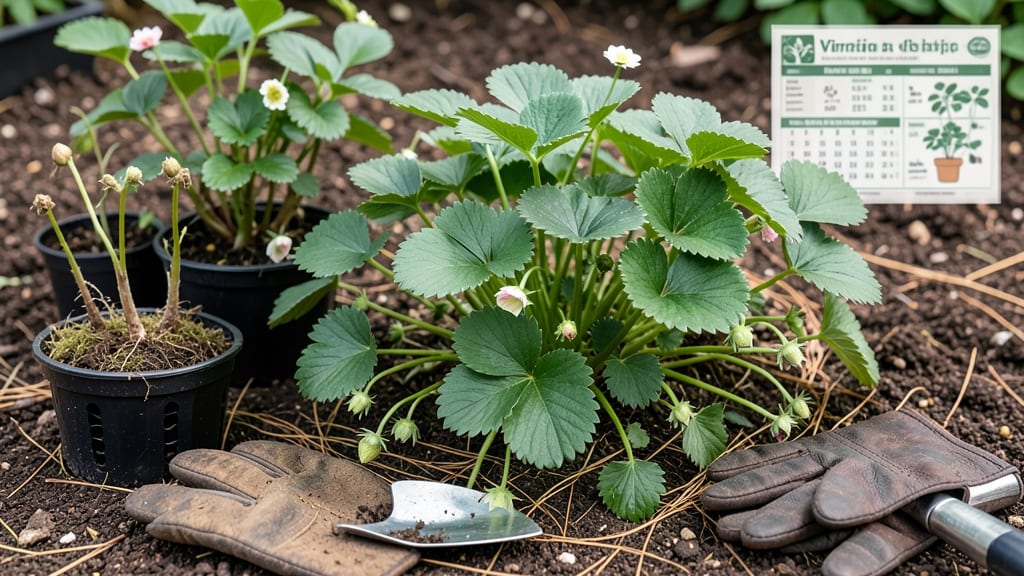
Planting strawberries in Virginia at the wrong time can mean the difference between a lush, fruiting patch and a sad, frost-nipped disappointment. Whether you're growing June-bearing or everbearing varieties in USDA Zone 7b, timing matters more than you might think.
Virginia's unpredictable late frosts—especially in northern regions—make the 6-week window before March 15 your best shot for spring planting. But fall offers another chance, with September and October being ideal months to get strawberries 🍓 established before winter sets in.
You might think all strawberries are the same, but June-bearing types need that cold dormancy period, while everbearing varieties reward you with multiple harvests if planted just right. Let's break down the exact deadlines and strategies to maximize your berry yield.
From soil prep to mulching techniques, we'll cover everything you need to know to avoid common mistakes Virginia gardeners make. Ready to plan your perfect strawberry season?
Virginia strawberry planting calendar: exact months for June-bearing vs. everbearing varieties in Zone 7b
Timing your strawberry planting in Virginia’s USDA Zone 7b means nailing a 6-week window before the last frost—typically by March 15—or a 6-8 week lead before the first frost, usually around November 15.
This distinction is critical because June-bearing varieties need chilling hours (400-600 hours below 45°F) to fruit, while everbearing varieties produce fruit in multiple flushes and are more flexible.
For June-bearing strawberries, the best time to plant in Virginia is late winter to early spring (February through early April).
This timing ensures roots establish before the growing season kicks off, giving plants enough time to bloom and fruit in late spring. Everbearing varieties, on the other hand, can be planted either in early spring or fall, offering gardeners more flexibility to extend their harvest season.
Virginia’s climate—with its humid summers and variable winters—demands careful planning. Planting too early risks frost damage, while planting too late can result in poor root establishment before the heat of summer.
The key is to align your planting schedule with soil temperatures (ideal: 40-50°F) and frost-free dates to maximize your yield.
Here’s the breakdown of optimal planting windows for both types of strawberries in Virginia’s Zone 7b, including soil temperature requirements and frost risk considerations:
| Variety Type | Best Planting Window | Soil Temperature | Frost Risk | Harvest Window |
|---|---|---|---|---|
| June-Bearing | February - Early April | 40-50°F | Low (after March 15) | Late May - July |
| Everbearing | February - Early April OR September - Early October | 40-50°F (spring) / 50-60°F (fall) | Low (spring) / Medium (fall) | June - July AND September - October |
If you’re planting June-bearing strawberries in fall, aim for September to early October. This gives plants time to establish roots before winter dormancy, ensuring a stronger spring harvest.
However, avoid planting after October 15, as young plants may not have enough time to harden off before the first frost. For everbearing varieties, fall planting is ideal for a second harvest in autumn.
One of the biggest mistakes Virginia gardeners make is planting bare-root strawberries too early in late winter (January). Soil temperatures are often too cold, and plants can rot or fail to thrive.
Instead, wait until soil temperatures rise above 40°F—usually by mid-February—to ensure healthy root growth. If you’re using potted strawberries, you can plant slightly earlier, as containers warm up faster.
For gardeners in northern Virginia (Zone 7a), push planting back by 1-2 weeks to account for later frost dates. In southern Virginia (Zone 8a), you can plant up to 2 weeks earlier since frost risk is lower.
Always check your local Virginia Cooperative Extension frost maps for the most accurate deadlines in your specific area.
Once you’ve planted, mulching is non-negotiable in Virginia’s climate. Use straw or pine needles to insulate roots from freeze-thaw cycles and retain moisture during hot summers. Remove old mulch in early spring to prevent rot and pests, then replace it after new growth appears.
Pro tip: Mark your strawberry beds with stakes or flags to avoid disturbing roots during weeding or harvesting. Virginia’s clay-heavy soils can compact easily, so mix in compost or aged manure before planting to improve drainage and fertility. This small step can double your yield in just one season.
How to extend your Virginia strawberry season: fall vs. spring planting strategies for maximum fruit
Choosing between fall and spring planting can dramatically impact your Virginia strawberry harvest. I’ve found that fall-planted June-bearing varieties often produce 25% more fruit the following year because they establish stronger roots over winter. For everbearing varieties, spring planting can stretch your harvest into fall.
Virginia’s USDA Zone 7b climate gives us two distinct planting windows: late September to early October for fall and February to early March for spring.
The key difference lies in how each method interacts with our unpredictable late frosts, which can strike as late as March 15 in northern Virginia.
Here’s how to decide which strategy works best for your garden:
- Earlier harvests next season
- Stronger root establishment
- Better frost protection
- Limited window for planting
- Requires winter mulching
- Longer growing season
- Easier to manage pests
- No winter care needed
- Higher frost risk
- Smaller first-year yield
For fall planting, I recommend preparing your soil in late August by adding 2-3 inches of compost and working in a balanced fertilizer (10-10-10).
Plant bare-root varieties between September 15 and October 15, spacing them 18 inches apart in rows 3 feet apart to allow for proper air circulation.
When planting in spring, wait until the soil temperature reaches 45°F (usually mid-March in Zone 7b) and avoid planting after March 15 to prevent frost damage. Use straw mulch (4-6 inches) around plants to protect them from temperature swings and retain moisture during Virginia’s dry spring winds.
Pro tip: If you plant in fall, cover your beds with straw mulch (6-8 inches) before the first frost to insulate roots. For spring plantings, apply a pre-emergent herbicide in early April to prevent weeds from competing with your strawberries during their critical growth phase.