
Flowers
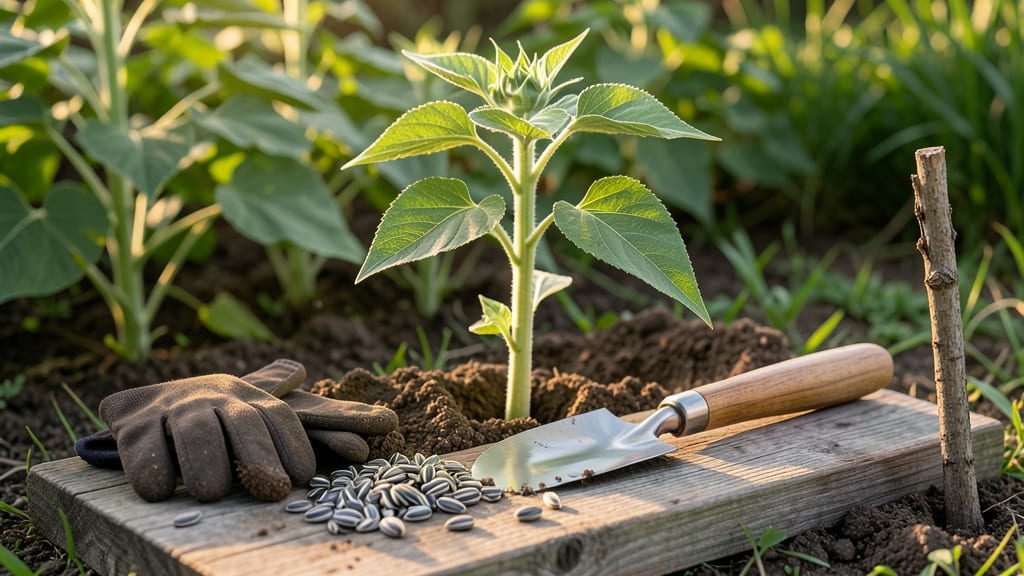
Planting sunflowers in Alabama at the wrong time can mean the difference between a towering 🌻 showstopper and a sad, wilted disappointment. With Alabama's warm 7b-8b climate, you've got two prime windows to get it right: late March through early April (after frost risk fades) or late summer in August for a fall harvest.
Timing matters because sunflowers hate cold soil—wait until temperatures hit 55°F+ at least an inch deep, or your seeds will just sit there, stubbornly refusing to sprout.
I've seen gardeners rush planting only to watch their sunflowers bolt to seed too fast or get nipped by late frosts in North Alabama.
Here's the game-changer: Alabama's frost-free window typically spans 210-240 days, giving you flexibility for both spring and summer plantings.
Whether you're aiming for July blooms from spring planting or September harvests from summer sowing, I'll show you exactly when to put those seeds in the ground for maximum height and beauty.
Let's break down the science behind Alabama's planting zones, soil temperature secrets, and how to stretch your sunflower season—because in this state, you can grow them almost year-round if you play your cards right.
Alabama sunflower planting timeline: frost dates & soil temperature rules
Alabama’s USDA zones 7b-8b create a perfect climate for sunflowers, but timing is critical to avoid frost damage or missed blooms. The last frost date varies across the state—late February to early April in North Alabama and mid-February to late March in the South.
For sunflowers, which thrive in warm soil, wait until the ground reaches 50°F or higher for germination.
Most Alabama gardeners plant sunflowers in late March to early April for spring blooms or late August for fall displays. This timing ensures they mature before the first frost hits in mid-November.
In North Alabama’s cooler zones, start seeds indoors 4-6 weeks before the last frost date to extend the season.
Soil temperature is your best indicator—sunflower seeds need 55°F+ soil to sprout. Use a soil thermometer to check depth (2 inches down). If temps are too cool, wait 1-2 weeks or use black plastic mulch to warm the soil faster. In South Alabama’s warmer zones, you can plant as early as mid-March without risking frost.
Alabama’s frost-free growing season spans 210-240 days, giving sunflowers plenty of time to grow. For tall varieties (like 'Russian Giant'), aim for a July planting to ensure they mature before winter. Dwarf varieties (like 'Teddy Bear') can handle slightly later plantings in August or early September for fall color.
Here’s how to align your planting with Alabama’s regional microclimates:
| Region | Last Frost Date | Ideal Planting Window | Soil Temp Threshold | Bloom Time |
|---|---|---|---|---|
| North Alabama (USDA 7b) | Late Feb - Early April | Late March - Early April | 55°F+ | July - September |
| Central Alabama (USDA 8a) | Mid-February - Mid-March | Mid-March - Late March | 50°F+ | June - October |
| South Alabama (USDA 8b) | Early February - Late February | Mid-February - Early March | 48°F+ (earlier possible) | May - November |
| Fall Planting (All Regions) | N/A | Late August - Early September | 60°F+ | September - November |
For spring plantings, use succession planting every 2 weeks to enjoy blooms from summer through fall.
In North Alabama, start with dwarf varieties for earlier blooms, then add taller types as soil warms. South Alabama gardeners can push the envelope with February plantings for May-June flowers, but monitor for unexpected late frosts.
If you’re transplanting seedlings (not recommended for sunflowers, but possible), harden them off for 7-10 days before moving to the garden. Direct sowing is easier—just drop seeds 1 inch deep and 6 inches apart, then thin to 12-24 inches as they grow.
This method works best in Alabama’s warm climate and avoids transplant shock.
Pro tip: Mark your calendar for Alabama’s average frost dates—use April 15 as a safe cutoff for spring plantings in most areas. For fall plantings, aim to have sunflowers 60+ days to maturity before the first frost (typically October 15 in North Alabama, November 1 in the South).
Sunflowers are drought-tolerant once established, but consistent moisture is key during germination. Water deeply 1-2 times per week until they reach 12 inches tall, then reduce to weekly watering.
Mulch around the base to retain moisture and regulate soil temperature—a must in Alabama’s hot summers and humid springs.
🌻
Alabama sunflower planting timeline: frost dates & soil temperature rules
Alabama’s USDA zones 7b-8b give you two clear windows to plant sunflowers: late March through early April for summer blooms or August for fall harvests. The key is waiting until soil temperatures hit 55°F+—any cooler, and your seeds won’t germinate.
I’ve learned this the hard way after watching seeds rot in cold, wet Alabama soil.
North Alabama’s last frost typically arrives mid-March, while South Alabama sees frost-free conditions by early March. Even after frost danger passes, soil stays cold—use a soil thermometer to confirm warmth before planting. Pro tip: Black plastic mulch warms soil 5-10°F faster than bare earth.
| Region | Last Frost | Ideal Planting | Soil Temp | Bloom Time |
|---|---|---|---|---|
| North AL (7b) | Mid-March | Late March-April | 55°F+ | July-Sept |
| South AL (8a) | Early March | March-April | 55°F+ | June-Aug |
| Both Regions | N/A | August | 60°F+ | Sept-Nov |
For summer planting, aim for August 1-15 to ensure flowers mature before Alabama’s first frost in mid-November. This late window works because sunflowers grow 3-4 inches per day in ideal conditions—perfect for Alabama’s long, hot summers. Just be ready for hurricane season (June-Nov) by staking tall varieties.
Direct-sow seeds 1 inch deep, 6 inches apart, and thin to 12-24 inches when seedlings reach 6 inches. Alabama’s clay-heavy soil drains poorly—mix in compost to improve germination rates. I’ve seen seeds take 7-14 days to sprout in perfect conditions, but wet springs can double that time.
Extend your season with succession planting: sow new seeds every 2 weeks from March through July for continuous blooms. In my Alabama garden, this means July flowers from March planting and September blooms from June sowing—double the sunflower joy with minimal extra work.
Remember: Sunflowers hate transplanting, so direct-sow whenever possible. If you must start indoors, harden off seedlings for 10-14 days before moving them to the garden—Alabama’s humidity will shock tender young plants if you rush this step.