
Plants
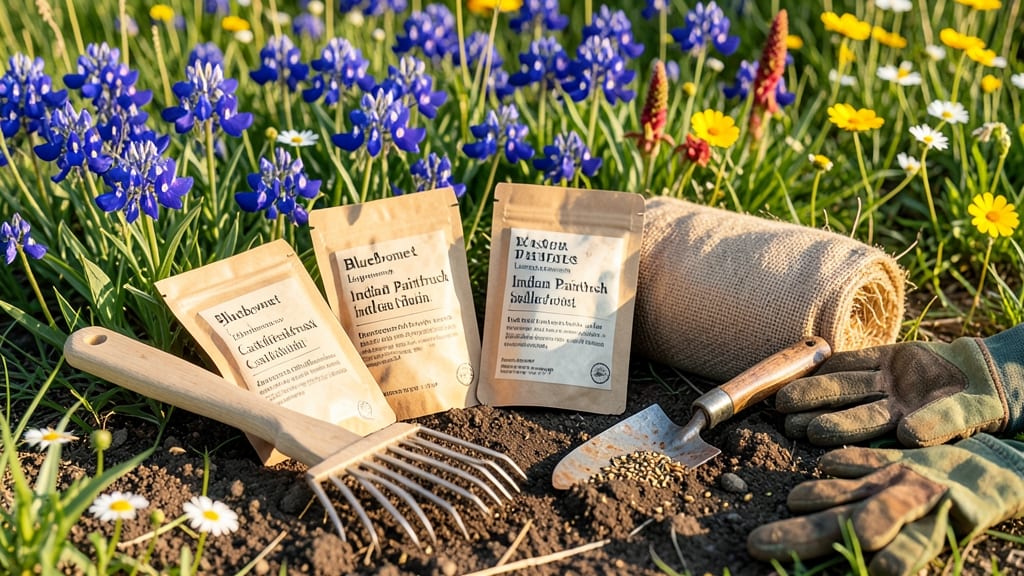
Planting wildflower seeds in Texas isn’t just about timing—it’s about outsmarting the heat and unpredictable rains that can turn your dream meadow into a bustling desert.
The perfect window between September and November gives seeds the ideal balance of moisture and cooler temps to germinate, while spring planting in February-March ensures vibrant blooms before summer’s scorching peak.
I’ve seen firsthand how a missed deadline can mean the difference between a carpet of bluebonnets and a patch of dirt. Texas’ diverse zones—from 6a in the Panhandle to 10b in the Rio Grande Valley—demand tailored strategies.
Whether you’re in North Texas battling early frosts or South Texas dodging late-season storms, knowing exactly when to scatter those seeds is the game-changer.
Beyond the calendar, soil prep and species selection make all the difference. Heat-tolerant varieties like Blackfoot Daisy and Mexican Feather Grass thrive when planted at the right moment, while classic bluebonnets need that early fall start.
Let’s break down the exact months, zone-specific tips, and post-planting care to guarantee your wildflowers take root—and stay stunning.
Ready to transform your landscape into a pollinator paradise? The secret starts with your planting schedule. Let’s get those seeds in the ground the right way, so you can enjoy year-round color without the guesswork.
Best months to plant wildflower seeds in Texas by climate zone
Texas spans three distinct climate zones, each with unique frost dates and rainfall patterns. North Texas (Zones 7b-8a) has the earliest frosts, while South Texas (Zones 8b-10a) enjoys year-round warmth. Central Texas (Zones 8a-9a) falls in between, with cooler winters and hotter summers.
These differences mean your planting schedule should align with your specific zone to avoid seed rot or wasted efforts.
For North Texas, aim for September through November to beat the first frost (typically mid-January). Central Texas gardeners have a slightly extended window—August through December—thanks to milder winters. Meanwhile, South Texas can plant year-round, though late summer (August) and early spring (February-March) yield the best results.
Timing isn’t just about frost—it’s also about rainfall alignment. Texas wildflowers thrive with natural winter rains to germinate seeds without overwatering. Planting in late summer or early fall ensures seeds get moisture from autumn showers, while spring plantings rely on consistent watering until roots establish.
| Zone | Ideal Planting Months | Key Considerations | Rainfall Tip |
|---|---|---|---|
| North Texas (7b-8a) | September–November | First frost: mid-January. Prioritize bluebonnets and Indian paintbrush. | Plant after first 1–2 inches of rain in September. |
| Central Texas (8a-9a) | August–December | Mild winters; black-eyed Susans and Mexican hat thrive. | Avoid planting in dry August unless irrigating. |
| South Texas (8b-10a) | Year-round (peak: Feb–Mar, Aug) | No frost risk; turk’s cap and prickly poppy bloom year-round. | August plantings need weekly watering until rains return. |
If you’re in North Texas, don’t wait until October—bluebonnets need 6–8 weeks of cool soil to germinate. Start seeds in early September to ensure they’re established before winter rains arrive.
For Central Texas, late August plantings can work if you’re prepared to water deeply until autumn showers kick in.
Spring plantings in Texas are trickier. February–March is your best bet, but avoid planting after mid-April in North Texas—summer heat will stress young seedlings. South Texas gardeners can push it to May, but shade cloth may be needed to protect tender sprouts from 100°F+ temperatures.
Pro tip: Use a seed germination calendar for your county. Texas A&M’s AgriLife Extension offers free frost date maps and rainfall forecasts. Align your planting with predicted rain events to reduce manual watering.
For urban gardeners, microclimates matter. A rooftop garden in Dallas may frost earlier than a hillside plot in Austin. Observe your space for 3 years to note patterns—this helps fine-tune your planting schedule.
Finally, native wildflowers have evolved to thrive with Texas’ unpredictable rains. Species like wild bergamot and partridge pea self-seed aggressively, so one planting can yield blooms for 5+ years if conditions are right.
Timing your plantings correctly isn’t just about when—it’s about where and how you prepare the soil. Next, we’ll cover the top heat-tolerant wildflower varieties that thrive in Texas’ extremes, so you can choose the perfect mix for your meadow.
Best months to plant wildflower seeds in Texas by climate zone
Texas’ vast climate zones—from North Texas’ chilly winters to South Texas’ year-round heat—demand precision when planting wildflower seeds. Fall planting (September–November) is ideal for most species, aligning with cooler temps and natural rainfall. Spring planting (February–March) works for heat-tolerant varieties but risks drought stress if timed too late.
The key? Match your USDA zone (6a–10b) with the right species and moisture timing.
North Texas (Zones 7b–8a) gardeners should prioritize September–October planting to avoid summer heat and early frost risks.
Central Texas (Zones 8a–8b) thrives with late August–November sowing, while South Texas (Zones 9a–10b) can plant year-round, though fall remains optimal. Bluebonnets (Lupinus texensis), Texas’ state flower, need cool soils—plant them in October–November for spring blooms.
| Zone | Best Planting Window | Key Species | Rainfall Alignment |
|---|---|---|---|
| North Texas (7b–8a) | September–October | Bluebonnet, Coreopsis | Fall rains (Sept–Oct) |
| Central Texas (8a–8b) | Late August–November | Indian Paintbrush, Salvia | September–October showers |
| South Texas (9a–10b) | Year-round (fall preferred) | Mexican Feather Grass, Zinnias | Winter rains (Dec–Feb) |
Timing isn’t just about months—it’s about soil temperature. Wildflower seeds germinate best when soil is 60–75°F.
Use a soil thermometer to confirm: North Texas soils hit this range by mid-September, while South Texas may need December planting for cooler conditions. Spring planting (February–March) works for heat-loving annuals like Black-Eyed Susans but requires consistent moisture to outpace summer drought.
Pro tip: Pre-sprout seeds indoors in late summer for a head start, especially in Zone 9+. Sow directly outdoors once nighttime temps drop below 80°F.
For wildflower meadows, scatter seeds in late fall to let winter rains stratify them naturally—this mimics Texas’ native prairie conditions and boosts germination rates by 30–50%.
Watch for first frost dates: North Texas faces frost by January 15, while South Texas rarely sees frost.
Plant 6–8 weeks before frost to ensure roots establish before winter dormancy. Everlasting daisies (Glebionis coronaria), for example, thrive when sown in October—their seeds need cold stratification to break dormancy.
Don’t overlook microclimates. Urban areas like Dallas or Houston can be 5–10°F warmer than rural zones, delaying frost. Adjust planting by 2–4 weeks later in heat islands.
For rocky or clay-heavy soils (common in West Texas), amend with compost and plant in raised beds to improve drainage and seed contact.
Plan ahead for bloom timing: Fall-planted seeds often bloom 3–6 months later, while spring plantings may flower in 60–90 days. Bluebonnets planted in October will dazzle in March–April, while Mexican Sunflowers sown in February burst into color by May.
Align planting with your desired meadow color palette—early bloomers like wild bergamot (Monarda fistulosa) pair well with late-season goldenrod.