
Plants
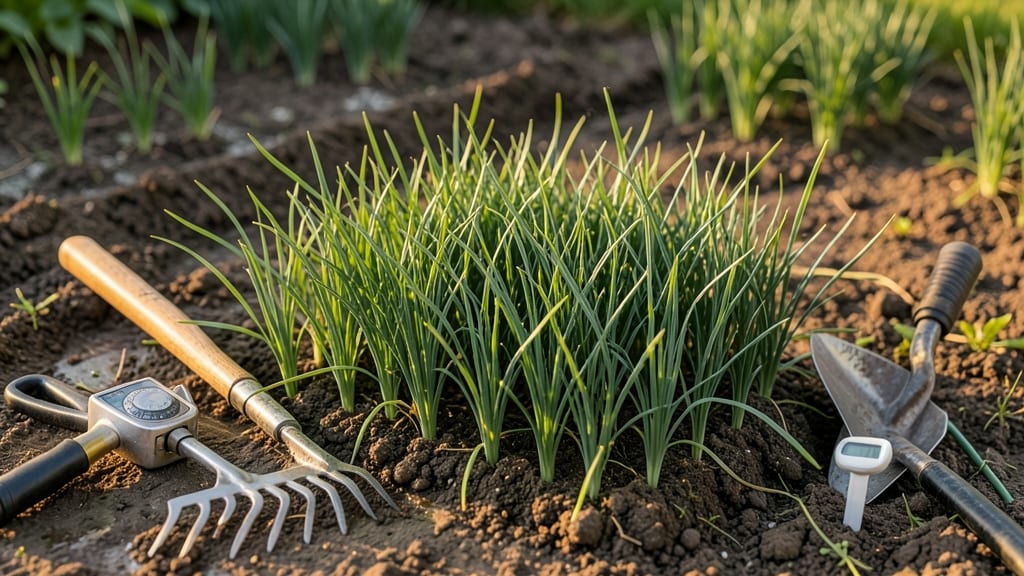
Planting grass seed in Maryland at the wrong time can mean the difference between a lush, green lawn and a patchy, struggling yard—especially in USDA Zone 7b.
The best time to plant isn’t just about the calendar; it’s about soil warmth, rainfall patterns, and avoiding Maryland’s brutal summer heat or early winter freezes.
If you’ve ever watched your grass seed wash away in a spring downpour or struggle to take root in scorching July heat, you know timing is everything. Maryland’s climate demands precision: too early, and frost can kill young sprouts; too late, and weeds steal the show.
The secret lies in two narrow windows—early spring and early fall—when conditions are just right for 🌱 grass seed to thrive.
I’ll break down the exact months to plant, how to prep your soil for success, and which grass types hold up best in Maryland’s humidity and pests. Whether you’re seeding a new lawn or repairing bare spots, these insights will help you skip the guesswork and get results faster.
Ready to transform your yard? Let’s dive into the ideal deadlines, soil tricks, and varieties that make all the difference in Maryland’s unpredictable climate.
Maryland grass seed planting deadlines by season: USDA Zone 7b ideal windows
Timing is everything when planting grass seed in Maryland’s USDA Zone 7b. The two best windows—early fall and late spring—align with your lawn’s natural growth cycles.
Planting outside these periods risks weak germination, drought stress, or winter damage. Let’s break down the exact deadlines and why they work.
Fall planting is my top recommendation. The 6-8 week window before the first frost (typically mid-September to early October) gives seedlings time to establish roots before winter dormancy. Spring planting should happen 4-6 weeks after the last frost (usually mid-April to early May) to avoid heat stress.
Soil temperature is the key factor. Grass seed needs soil temps between 55°F and 75°F for optimal germination. In Maryland, this happens naturally during these windows—fall’s cooling air and spring’s warming earth create perfect conditions.
Miss these windows, and you’ll face challenges like summer heat stress (planting in June/July) or winter kill (planting too late in fall). Even a few weeks off-target can mean slower growth or patchy coverage.
| Season | Ideal Planting Window | Soil Temp (°F) | Key Benefit |
|---|---|---|---|
| Early Fall | Mid-September to Early October | 60°F–75°F | Cool temps reduce weed competition; roots establish before winter. |
| Late Spring | Mid-April to Early May | 55°F–65°F | Warm days + cool soil prevent heat stress; rapid germination. |
| Secondary Window | Late August (if early frost risk is low) | 70°F–80°F | Risky but possible in southern MD; needs extra watering. |
| Avoid | June–July | 85°F+ | Extreme heat causes seed desiccation; weeds outcompete seedlings. |
Maryland’s microclimates add complexity. Coastal areas (like Annapolis) have milder winters, extending fall planting to early November. Meanwhile, inland regions (like Hagerstown) may need to start spring planting earlier to avoid late frosts.
Check your last frost date (typically April 15 in most of Maryland) and plan accordingly. Use a soil thermometer to confirm temps—grass seed won’t germinate well below 55°F, even if the air feels warm.
Pro tip: If you miss the ideal windows, consider sod instead of seed for summer planting. Sod establishes faster and handles heat better than newly seeded lawns.
For fastest results, aim for September 1–October 15. This window balances cool temps, moderate rainfall, and minimal weed pressure, giving your grass the best shot at a lush, healthy start.
Remember, preparation matters just as much as timing. Test your soil pH (aim for 6.0–7.0) and remove weeds before planting. Skipping prep steps can undo even the best timing choices.
🌿 Now that you know the deadlines, let’s dive into pre-planting prep—because Maryland’s clay-heavy soils and humid summers demand extra care to set your grass up for success.
How to prepare your Maryland lawn for grass seed success: soil, weather, and pre-planting checks
Preparing your Maryland lawn before planting grass seed is the difference between a lush carpet of green and a patchy, struggling lawn. Maryland’s clay-heavy soils and humid climate require extra attention to create the perfect seedbed.
Start by testing your soil pH—aim for a range of 6.0 to 7.0, which is ideal for most grass types. If your soil is too acidic or alkaline, amend it with lime or sulfur, respectively, at least 4-6 weeks before planting.
Next, clear your lawn of debris, weeds, and old grass. Use a lawn rake or dethatching tool to remove thatch layers thicker than ½ inch, as thick thatch blocks water and air from reaching the soil.
In Maryland’s shady spots, like those under trees, consider aerating to improve soil contact with seeds. This step is especially critical in urban areas like Baltimore, where compacted soil is common.
Avoid planting grass seed when Maryland’s soil temperature exceeds 85°F or drops below 50°F. High temperatures cause seeds to dry out, while cold soil slows germination. Check temperatures with a soil thermometer—ideal ranges are 60-75°F for spring/fall planting.
⚠️ Warning: Planting in hot, dry conditions (like July) leads to poor germination and weed competition.
Choose the right grass seed blend for your Maryland lawn. Cool-season grasses, like tall fescue and Kentucky bluegrass, dominate the state and thrive in shade and sun. For high-traffic areas, opt for perennial ryegrass, which germinates quickly.
If your lawn has poor drainage, select drought-resistant varieties like fine fescue. Always buy seed from reputable suppliers to avoid cheap, low-quality mixes that fail to establish.
Before sowing, loosen the top 4 inches of soil with a garden fork or aerator to improve seed-to-soil contact. Rake the area to create a fine, level surface—bumps and valleys can lead to uneven growth.
If your soil is sandy, mix in compost or peat moss to retain moisture; if it’s clay-heavy, amend with sand or organic matter to improve drainage. Maryland’s Western regions, like Frederick County, often need extra organic matter due to heavier clay soils.
Finally, plan for post-planting care. Keep the soil consistently moist (not soggy) for the first 3-4 weeks by watering lightly twice daily. Use a light mulch, like straw, to retain moisture and protect seeds from bird damage.
Avoid heavy foot traffic until the grass reaches 3-4 inches tall—this ensures roots establish deeply before stress.
With these steps, your Maryland lawn will be ready for grass seed to germinate quickly and grow into a dense, resilient turf that withstands the state’s humidity, pests, and seasonal swings. The key is preparation—soil, seed, and timing work together to create the perfect foundation. 🌱