
Flowers
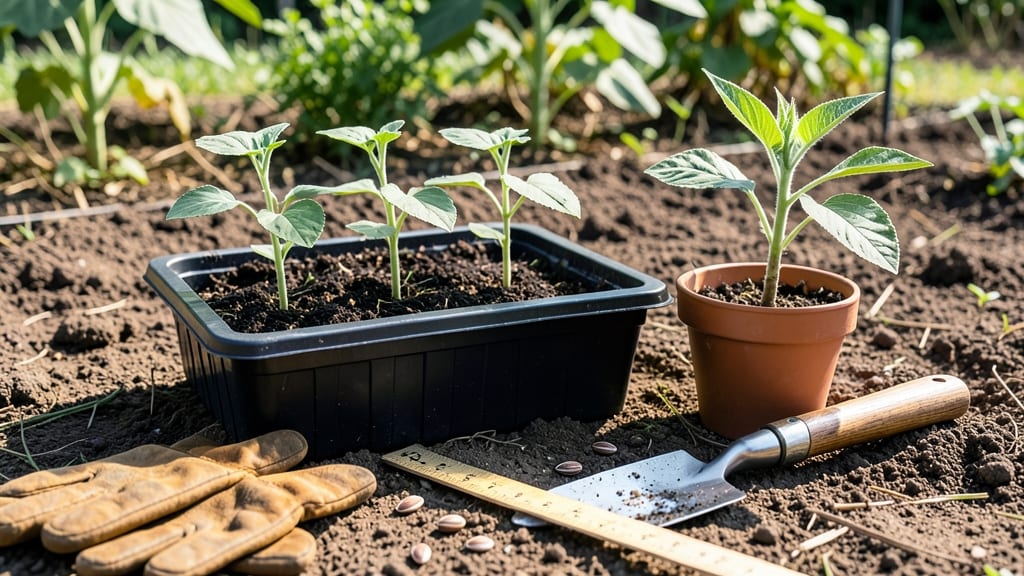
If you’ve ever dreamed of a backyard bursting with towering 🌻 sunflowers but wondered when is the best time to plant sunflowers in Florida, you’re not alone.
The best time to plant them in Florida’s relentless heat isn’t just about avoiding frost—it’s about outsmarting the summer sun to get those vibrant blooms before the humidity takes over.
Florida’s 8a-11 climate means sunflowers can thrive year-round, but timing is everything. Plant too early, and you’ll battle heat stress; too late, and your flowers might bolt before they even bloom. The sweet spot? Mid-February to early April for spring blooms or late August for a stunning fall display.
I’ve tested the best heat-tolerant varieties and planting strategies to ensure your sunflowers reach their full potential—no wilting, no disappointment. Whether you’re in North Florida’s cooler pockets or South Florida’s tropical zones, these exact months and tips will give you the lush, sun-drenched garden you’ve been dreaming of.
Ready to transform your yard into a sunflower haven? Let’s dive into the perfect planting schedule and varieties that will make your neighbors green with envy.
Best months to plant sunflowers in Florida (heat-tolerant schedule)
Florida’s long, warm growing season means sunflowers can thrive year-round—but timing matters for maximum blooms and heat tolerance. Unlike northern states, Florida gardeners avoid frost risks entirely in most regions, giving us a 12-month window for planting.
However, late spring and summer are the sweet spots for vibrant, resilient sunflowers that withstand Florida’s humidity and 90°F+ temperatures.
For North Florida (USDA Zones 8a-8b), where cooler winters linger, the ideal planting window is mid-February to early April. This gives sunflowers time to mature before summer’s peak heat arrives.
In Central and South Florida (Zones 9a-11), you can plant year-round, but August through September yields the most reliable blooms before winter’s mild chill sets in.
Sunflowers planted in late summer (August) often produce larger, hardier blooms because they avoid the intense heat of July. These late-season plants also bloom in fall, adding color to your garden when many other flowers fade.
If you’re aiming for spring blooms, start seeds indoors in January or direct-sow in February.
Here’s the critical rule: Never plant sunflowers when daytime temperatures exceed 95°F consistently. At these extremes, seeds struggle to germinate, and young plants bolt (flower prematurely) or wilt. South Florida’s summer heat (June-August) can be tricky—opt for shade-cloth-covered seed trays or late-afternoon sowing to protect tender seedlings.
| Region | Best Planting Months | Avoid Planting | Bloom Time |
|---|---|---|---|
| North Florida (Zones 8a-8b) | Mid-February to early April | June–July (extreme heat) | April–June |
| Central Florida (Zones 9a-9b) | January–March or August–September | May–July (peak heat) | March–May or September–November |
| South Florida (Zones 10a-11) | Year-round (best: August–October) | None (but avoid June–July for best results) | Year-round (peak: September–December) |
🌡️ Pro Tip: Use a soil thermometer—ideal germination temps are 70–90°F.
If you’re in South Florida (Miami, Key West), you can even enjoy two sunflower crops per year: one in spring (February–March) and another in fall (August–September). This strategy maximizes your garden’s visual appeal and pollinator support.
Just ensure your soil stays moist but not soggy—Florida’s sandy soil drains quickly, so mulch heavily after planting.
For North Florida gardeners (Jacksonville, Tallahassee), focus on spring planting and accept that summer’s heat may stress sunflowers. However, dwarf varieties (like ‘Teddy Bear’) handle heat better than giants.
If you’re ambitious, try a partial shade setup (50% shade cloth) for summer seedlings to buy them time to establish roots before full sun.
Remember: Sunflowers are fast growers—some varieties reach 10 feet in 80 days. In Florida’s 120–150 frost-free days, this means you can squeeze in two full harvests if you stagger plantings.
Start with half your seeds in February and the rest in August for a continuous bloom display.
One common mistake Florida gardeners make is planting sunflowers too late in summer (July). By then, the humidity and heat create perfect conditions for powdery mildew. If you’re set on a summer crop, water at the soil line (not overhead) and space plants 18+ inches apart for airflow.
For best results, stick to August planting—it’s the sweet spot between heat and humidity.
Best months to plant sunflowers in Florida (heat-tolerant schedule)
Florida’s warm climate means sunflowers can thrive year-round, but timing is everything for vibrant blooms. The best planting window spans mid-February to early April for spring blooms and late summer (August) for fall displays.
North Florida’s cooler winters demand earlier starts, while South Florida gardeners can plant almost anytime—except peak summer’s brutal heat.
Sunflowers are frost-sensitive, so wait until after last frost dates: January 15 in North Florida and December 15 in South Florida. Planting too early risks stunted growth from lingering cold snaps, while late starts may yield smaller blooms before winter’s approach.
For a second crop, sow seeds in late August to enjoy fall blooms. This timing avoids summer’s extreme heat while capitalizing on Florida’s long growing season. Just ensure soil temperatures stay above 55°F (13°C) for optimal germination.
🌻 Florida Sunflower Planting Timeline
| Region | Best Planting Window | Bloom Time | Key Consideration |
|---|---|---|---|
| North Florida (USDA 8a-9a) | Mid-February to early April | April–June | Avoid late frosts |
| Central Florida (USDA 9b-10a) | Late January–March or August | May–July or October | Drought risk in summer |
| South Florida (USDA 10b-11) | Year-round (avoid June–July) | February–April or August–October | Heat stress risk |
Sunflowers planted in spring (February–April) yield the tallest stems and largest blooms, thanks to Florida’s mild winters and increasing daylight. For fall harvests, August sowings take advantage of shorter days and cooler temperatures, producing smaller but equally striking flowers.
Urban gardeners in heat islands (like Miami or Tampa) should prioritize shade cloth during June–July to protect young seedlings. Rural areas with loamy soil can skip this step, as natural moisture retention reduces heat stress.
Pro tip: Direct-sow seeds ½ inch deep, 6–12 inches apart, and thin seedlings to 18–24 inches for optimal airflow. Mulch with straw or pine needles to retain moisture and suppress weeds—critical in Florida’s sandy soils.