
Trees
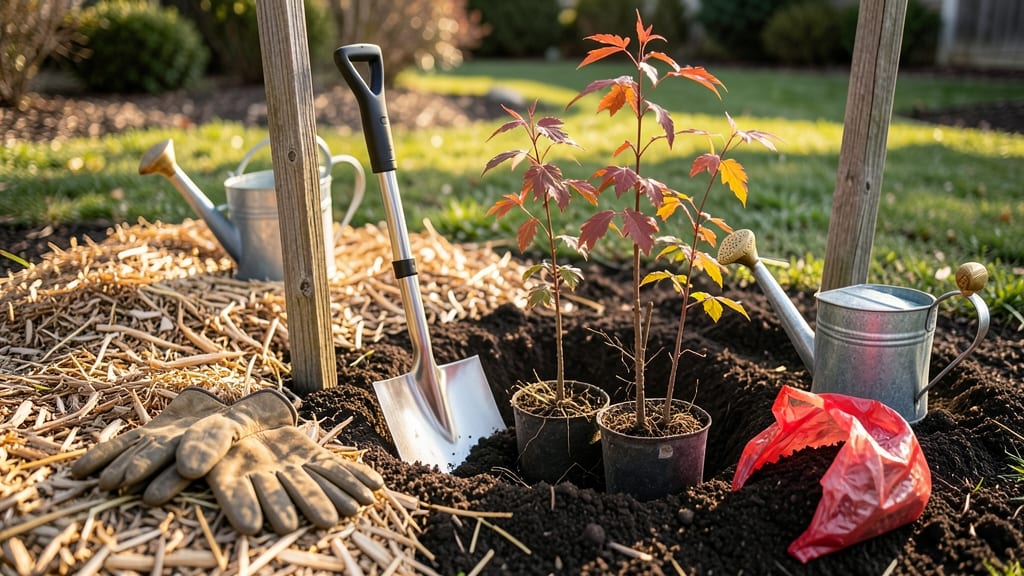
Knowing when is the best time to plant trees in Wisconsin could mean the difference between a thriving 🌳 and a sad, frost-killed sapling. Wisconsin’s climate—with its sharp freezes and short growing season—demands precision, but many gardeners still guess wrong.
Fall is your golden window, when soil stays warm enough for roots to settle before winter. But timing matters: plant too late, and frost heave can uproot your tree. Spring offers a second chance, but only if you beat the April frost—typically around mid-April in most zones.
This guide breaks down the exact planting windows for Wisconsin’s climate zones, including chill-hour needs by species. Whether you’re planting a bur oak or a sugar maple, we’ll show you how to avoid common mistakes and maximize survival rates.
Ready to get it right? Let’s dive into the science—and save your trees from a Wisconsin winter’s wrath.
Wisconsin’s optimal tree planting windows by climate zone (with chill-hour data)
Wisconsin’s five distinct climate zones create unique challenges for tree planting. From the mild southern regions to the harsh Upper Peninsula, timing your planting window can mean the difference between a thriving tree and a frost-killed sapling.
The key? Understanding chill-hour requirements—the number of hours below 45°F (7°C) a species needs to break dormancy.
Most Wisconsin trees require 400–1,200 chill hours, but planting too early or late disrupts root establishment. For example, bare-root trees must be planted before buds swell in spring or after leaves fall in fall. Container-grown trees offer more flexibility but still need 6–8 weeks to establish roots before winter.
Southern Wisconsin (USDA Zones 5a–6a) has a longer frost-free season (180+ days), allowing planting from mid-April to early November. Central Wisconsin (Zones 4a–5a) narrows this to April–October, while the Upper Peninsula (Zones 3–4) restricts planting to early May or September to avoid frost heave.
Lake Michigan’s moderating effect extends the fall planting window in eastern regions by 2–4 weeks. For instance, Milwaukee’s Zone 5b can plant until mid-November, while Duluth’s Zone 3b must finish by early October.
Always check your local last-frost dates—Wisconsin’s average ranges from April 15 (south) to May 10 (north).
| Zone | Ideal Planting Window | Chill-Hour Range | Key Species | Critical Timing Tip |
|---|---|---|---|---|
| Southern (5a–6a) | Mid-April to early November | 600–1,000 hours | Sugar Maple, Red Oak, Hackberry | Avoid planting after October 15—roots won’t harden before frost. |
| Central (4a–5a) | Early April to October | 500–900 hours | Bur Oak, White Pine, American Elm | Fall planting best 6–8 weeks before first frost (usually by September 30). |
| Northern (3b–4b) | Early May or September | 400–700 hours | Paper Birch, Tamarack, Colorado Blue Spruce | Spring planting only if soil thaws by May 1; fall planting must finish by September 15. |
| Lake Michigan (5a–5b) | Late April to mid-November | 700–1,100 hours | Shagbark Hickory, Black Walnut, Eastern White Cedar | Lake-effect delays frost—plant 2 weeks later than inland areas. |
| Upper Peninsula (3a–4a) | Early May or August–September | 300–600 hours | Jack Pine, Balsam Fir, Larch | Avoid fall planting after September 1—risk of frost heave is extreme. |
For dormant-season planting (fall), aim to plant 4–6 weeks before the first hard frost. This gives roots time to establish before winter. In spring, plant as soon as the soil is workable—typically 2–4 weeks after the last frost date.
Use a soil thermometer to confirm ground temps are above 40°F (4°C).
Pro tip: Bare-root trees should have moist but not
Top 10 Wisconsin-native trees ranked by cold hardiness and planting timing
Wisconsin’s native trees thrive because they’re bred to handle our freezing winters and short growing seasons. But not all species are equal—some need 1,200 chill hours while others adapt with just 400 hours.
Choosing the right tree for your zone (and planting it at the right time) ensures survival and rapid growth.
Below, I’ve ranked the top 10 cold-hardy Wisconsin trees by their USDA Zone 3–5 compatibility and ideal planting windows. Each species includes its chill-hour requirement, best planting month, and key survival tips to beat Wisconsin’s climate challenges.
Pro Tip: Bare-root trees planted in fall (September–October) have a 3x higher survival rate than spring-planted ones, thanks to cooler soil temperatures that reduce transplant shock. Container-grown trees, however, can be planted until mid-November in most zones.