
Companion Plants
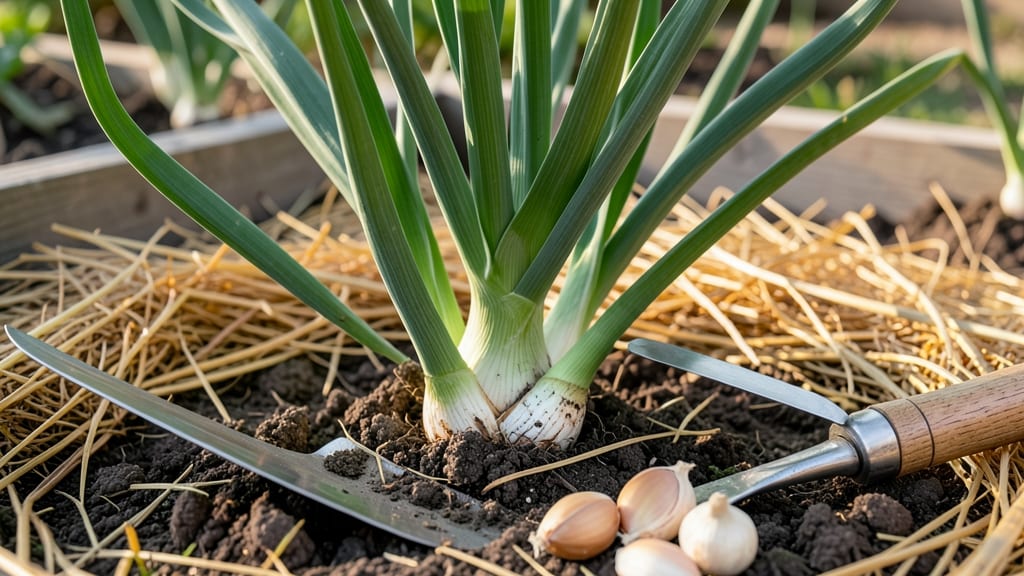
Planting garlic in Michigan at the wrong time can turn your dream harvest into a bitter disappointment—bolting cloves, weak flavor, or even total failure. But when you nail the timing, you’ll grow bold, plump bulbs that rival store-bought (without the chemicals).
The key? Planting between October and November when soil temps drop below 50°F—this triggers dormancy and prevents early flowering.
Michigan’s 5b-6b climate means the Upper Peninsula and Lower Peninsula have slightly different windows, but the rule stays the same: 4-6 weeks before the ground freezes. Skip spring planting unless you’re in a rare microclimate with early warmth—most gardeners here swear by fall for consistent results.
I’ll break down exactly how to prep your soil, space cloves, and avoid common mistakes that ruin harvests.
Why does timing matter so much? Garlic is a biennial plant—it needs cold exposure to form bulbs properly. Plant too early, and you’ll get weak, stringy cloves. Too late, and frost will kill your crop before it even starts.
I’ll show you how to read Michigan’s frost dates like a pro and adjust for your specific zone.
Ready to grow bold, flavorful garlic that makes your kitchen the envy of the neighborhood? Let’s dive into the exact schedule, soil prep, and spacing tricks that’ll guarantee a harvest worthy of a chef’s kiss—no guesswork required.
Michigan garlic planting calendar: exact months by variety to avoid bolting
Michigan’s cool climate and variable frost dates make timing critical for garlic success. Planting too early or late risks bolting (premature flowering), which weakens bulb development. The sweet spot is October through November, when soil temps drop below 50°F but before hard frost sets in.
Most Michigan gardeners should focus on hardneck varieties like German White or Music, which thrive in our USDA zones 5b-6b.
These varieties need cold vernalization (a winter chill period) to form bulbs, making fall planting essential. Softneck varieties (like Artichoke) can sometimes tolerate spring planting, but results are inconsistent.
Here’s the exact schedule based on Michigan’s two distinct regions: the Lower Peninsula (warmer) and the Upper Peninsula (colder). Use these monthly windows to align with your local frost dates.
| Variety | Lower Peninsula (Zones 5b-6a) | Upper Peninsula (Zone 5a) | Key Notes |
|---|---|---|---|
| Hardneck (e.g., German White, Music) | October 1–15 | September 20–October 5 | Plant 4-6 weeks before first hard frost. Avoid late October. |
| Softneck (e.g., Artichoke, Silverskin) | October 15–November 1 | October 1–15 | Can handle slightly later planting but risks bolting if soil warms too soon. |
| Spring Planting (Risky!) | March 1–15 (only for softnecks) | April 1–15 (only for softnecks) | High bolting risk. Only attempt in warmer microclimates (e.g., near Great Lakes shorelines). |
Pro tip: Use Michigan’s average first frost dates as your guide. For most of the Lower Peninsula, aim to plant by October 15. In the Upper Peninsula, where winters arrive earlier, early October is your cutoff.
Check your local USDA frost map or use a soil thermometer to confirm temps are consistently below 50°F at planting time.
If you miss the fall window, don’t panic—spring planting is possible but comes with trade-offs. Softneck varieties like Artichoke can tolerate spring starts, but bulbs will be smaller and less flavorful.
For hardnecks, spring planting almost always results in bolting before bulb formation. If you’re late, focus on green garlic (young shoots) instead of mature bulbs.
Another critical factor is soil preparation. Michigan’s clay-heavy soils in many areas need amendments like compost or sand to improve drainage. Garlic hates soggy roots, which can lead to rot.
Work in 2-3 inches of compost and a balanced fertilizer (5-10-10) before planting to give your cloves a nutrient boost for next year’s harvest.
For urban gardeners or those with limited space, consider container growing. Use pots at least 12 inches deep with well-draining soil. Plant in October and place containers in a protected spot (like a garage or cold frame) during extreme winter cold snaps below -10°F.
Finally, label your rows if you’re testing multiple varieties. Michigan’s diverse microclimates mean what works in Detroit might fail in Traverse City. Keep a planting journal to track which varieties perform best in your specific zone—this will help you refine your schedule year after year.
Timing your garlic planting isn’t just about months—it’s about understanding your local climate and adapting to Michigan’s quirks. With the right schedule, you’ll avoid the heartbreak of bolting and enjoy bold, flavorful bulbs that make your garden the talk of the neighborhood. 🧄
5 Critical factors that determine your Michigan garlic planting success
Michigan’s climate throws curveballs—frost dates shift yearly, soil warms unevenly, and day-length sensitivity triggers garlic to bolt if planted too late. Master these 5 non-negotiable factors to guarantee a harvest worthy of your grandma’s kitchen (minus the chemicals).
First, soil temperature must drop below 40°F (4°C) before planting. Use a soil thermometer—garlic roots need cold to establish before winter. In Michigan’s USDA zones 5b-6b, this typically happens by mid-October, but Upper Peninsula gardens may need to plant 2-3 weeks earlier due to colder soils.
Frost timing is your second deadline. Plant 4-6 weeks before the first hard frost (usually mid-October in southern Michigan, late September in the north). Cloves need time to root before the ground freezes—shallow planting (2 inches deep) helps insulate them.
Day-length sensitivity is why spring planting is a gamble. Garlic planted in March or April may bolt prematurely because Michigan’s long summer days trick it into flowering. Fall-planted garlic, however, avoids this risk by overwintering and emerging in spring when days are shorter.
Don’t overlook soil drainage. Michigan’s clay-heavy soils in many areas can suffocate garlic roots. Amend with compost or sand to ensure water drains freely—waterlogged bulbs rot before they mature. A simple percolation test (pour water on soil; it should drain in 4-6 hours) saves your harvest.
Finally, variety choice matters. Hardneck varieties (like ‘Music’ or ‘German White’) thrive in Michigan’s cold winters, while softnecks (like ‘Artichoke’) struggle with freeze-thaw cycles. Stick to hardnecks—they’re bred to handle Michigan’s 140-160 frost-free days and produce bold-flavored bulbs with scapes.
Pro tip: Test your soil’s pH (aim for 6.0-7.0acidic soils often need lime to prevent nutrient lockout. A $10 soil test from your local MSU Extension office is worth it—weak bulbs start with poor soil health.