
Plants
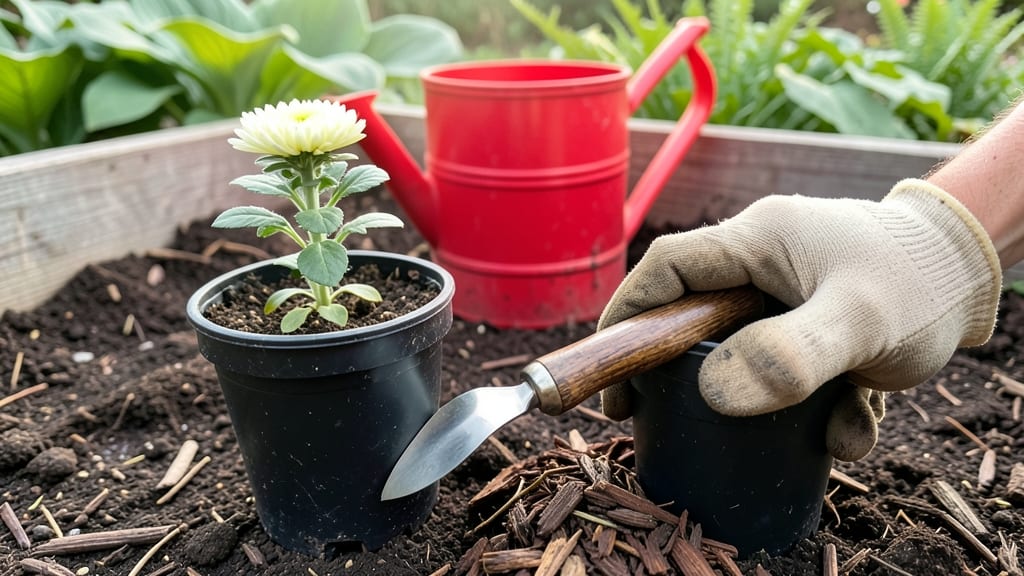
When should you plant mums in the ground? Timing is everything if you want a show-stopping fall garden—getting it wrong can mean the difference between vibrant blooms and sad, weak flowers that never reach their potential. These cheerful 🌼 flowers thrive when planted at just the right moment—4 to 6 weeks before your first frost—but many gardeners still get the timing wrong, leading to disappointment.
If you’ve ever wondered why your mums struggle to bloom or survive the winter, the answer likely lies in when you put them in the ground. Whether you’re in USDA Zone 6a or a warmer climate, understanding the ideal window makes all the difference.
Let me show you exactly how to time it right for vibrant, long-lasting color all season long.
Most gardeners assume mums can be planted anytime in summer or fall, but that’s a common mistake. The key is giving these hardy perennials enough time to establish strong roots before cold weather arrives.
I’ll break down the science behind the 4-6 week rule and how to adjust for your specific region, so you can enjoy months of bold blooms without the guesswork.
Ready to transform your garden into a fall masterpiece? Stick around—I’ll walk you through the exact steps to plant mums for maximum impact, plus how to spot (and fix) timing mistakes before it’s too late.
Best planting window for mums before first frost
Planting chrysanthemums (mums) at the right time is the secret to vibrant fall blooms. Aim for 4–6 weeks before your first frost date—this window ensures roots establish before cold sets in.
For most USDA Zones 5–9, that means mid- to late summer, typically July through early September. Check your local frost calendar to pinpoint the exact date.
In warmer climates (Zones 9–10), you can extend planting into early October, but avoid planting too late—mums need 6–8 weeks of warm weather to bloom.
If you’re in a cooler zone (Zones 3–4), start earlier, around late June to early July, to give them enough time to root before winter.
Soil temperature is just as critical as air temperature. Mums thrive when soil stays above 60°F (15°C)—below that, roots grow slowly, leading to weak plants. Use a soil thermometer to check; if it’s cooler, wait a week or two before planting.
Warm soil speeds up root establishment, so don’t rush if temperatures are still chilly.
Pro tip: If your frost date is October 15th, count backward 6 weeks to land on September 1st—your ideal planting window. Adjust for earlier or later frosts in your area. For example, in Zone 7, where frost hits around November 1st, aim for mid-September planting.
If you’re unsure about your frost date, use the National Weather Service or local cooperative extension service for precise data. Even a 1–2 week delay can mean the difference between lush blooms and leggy, weak plants.
For example, planting in early July in Zone 7 might stress mums before they bloom, while waiting until mid-August gives them ideal conditions.
Another key factor is daylength. Mums are short-day plants, meaning they bloom in response to shorter days. Planting too early (e.g., May or June) can trigger premature blooming, which weakens the plant before winter.
Conversely, planting too late (e.g., October) leaves insufficient time for root growth, making them vulnerable to frost damage.
For container-grown mums, the timing is slightly flexible—you can plant them 1–2 weeks later than in-ground varieties since containers warm up faster. However, still aim for 4–6 weeks before frost to avoid shocking the roots.
If you’re using potted mums from garden centers, they’re often pre-bloomed and designed for late-summer planting, so follow the tag instructions closely.
Once you’ve nailed the timing, focus on aftercare to maximize blooms. Water deeply 1–2 times per week (more in extreme heat) and apply a balanced fertilizer (10-10-10) 2–3 weeks after planting.
Mulch around the base to retain moisture and regulate soil temperature—this is especially critical in hot or dry climates.
With the right timing, your mums will reward you with bold, long-lasting blooms that brighten up fall. Whether you’re in Zone 5 or Zone 9, adjusting for your local frost date and soil conditions ensures a stunning display. Happy planting! 🌼
Best planting window for mums before first frost
Planting mums 4-6 weeks before your first frost date is the golden rule for vibrant fall blooms. This timing lets roots establish strong before cold weather arrives, ensuring plants thrive through late summer and fall.
For USDA Zone 6a (like much of the Midwest), aim for late July to early August, but adjust based on your local frost dates.
In warmer southern zones (7-10), you can plant mums slightly later—late August to early September—since frost arrives much later. Conversely, in colder northern zones (3-5), plant 6-8 weeks before frost (around mid-to-late July) to give roots extra time to harden off.
Soil temperature matters too: mums prefer 60-70°F soil for root growth. Use a soil thermometer to check—if temps drop below 55°F, roots struggle to establish. Cool, damp soil can also invite rot, so wait for stable temperatures before planting.
| Zone | Ideal Planting Window | Soil Temp Goal | Notes |
|---|---|---|---|
| 3-5 (Cold) | Mid-to-late July | 60-70°F | Plant 6-8 weeks before frost |
| 6a (Midwest) | Late July–early August | 60-70°F | 4-6 weeks before frost |
| 7-10 (South) | Late August–early September | 65-75°F | Frost arrives late; adjust timing |
Pro tip: Check your local first frost date (use the Old Farmer’s Almanac or Plant Maps app) and work backward. For example, if frost hits October 15, plant mums by September 1. This ensures blooms peak in September and October when your garden needs color most.
If you’re unsure about timing, late July is the safest bet for most U.S. regions. Mums planted then will bloom reliably and handle light frosts without damage. Just avoid planting after August 15 in cooler climates—roots won’t have enough time to prepare for winter.
For container-grown mums, the same rules apply, but monitor soil moisture more closely. Containers dry out faster, so water daily for the first week after planting to reduce transplant shock. Mulch with 2-3 inches of straw to retain moisture and regulate soil temperature.