
Plants
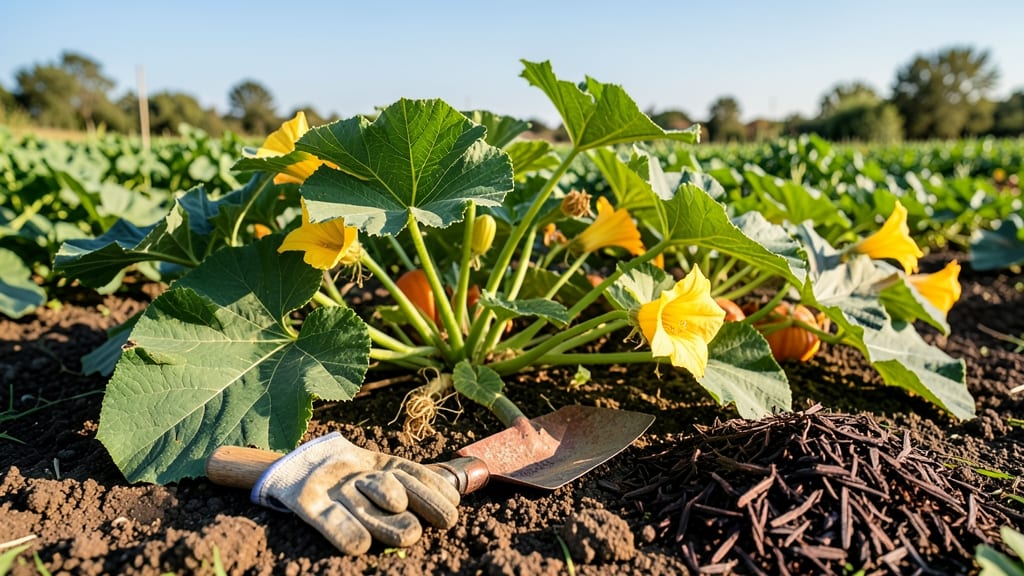
If you're dreaming of carving a 🎃 this Halloween, knowing when to plant pumpkins in Indiana could make or break your harvest.
With USDA Zone 6a’s short 165-day growing season, timing is everything—plant too early, and frost will nip your seedlings; too late, and your pumpkins won’t mature before winter’s chill.
Most Indiana gardeners swear by late April to mid-May as the sweet spot, but the real magic happens when soil temperatures hit 70°F—a cue your pumpkins have been waiting for.
I’ll break down the exact window, plus how to prep your soil and adjust for those tricky early frosts that love to sneak up on Hoosier gardens.
You’ll also discover which pumpkin varieties thrive best in Indiana’s climate, how to tell when your plants are ready for transplanting, and the key milestones to watch from flowering to harvest. No more guessing—just a foolproof plan for a pumpkin patch that’ll make your neighbors green with envy.
Whether you’re a first-time gardener or a seasoned pro, these tips will help you beat Indiana’s unpredictable weather and grow pumpkins that’ll last through Thanksgiving (and beyond). Let’s get those seeds in the ground the right way!
Optimal pumpkin planting dates in Indiana by USDA Zone (5-6)
Indiana’s USDA Zones 5-6 demand precision when planting pumpkins—a 10-day window can mean the difference between a thriving harvest and failed seedlings. The last average frost date in most of Indiana falls around April 15, but soil temperature is the real game-changer.
Pumpkin seeds need soil temperatures above 70°F to germinate properly, which typically happens by late April to mid-May.
For direct sowing (planting seeds outdoors), aim for 2-3 weeks after your last frost date. In Zone 5, this usually means May 1-15, while Zone 6 gardeners can start slightly earlier, around April 25-May 10.
If you’re using transplants (seedlings), wait until all danger of frost has passed and soil is warm—typically mid-to-late May.
Purdue Extension data shows that Indiana’s frost-free season averages 140-180 days, leaving just enough time for 75-100 day varieties to mature. Planting too early risks cold soil and rotten seeds, while waiting too long cuts harvest time short.
The ideal transplant window is May 15-30 for most varieties, giving vines 100+ days to grow before the first frost in mid-October.
If you’re starting seeds indoors for an earlier jumpstart, begin them 4-6 weeks before your last frost date. For Indiana, that means mid-March to early April. Use biodegradable pots to avoid transplant shock when moving seedlings outdoors.
Place them near a south-facing window or under grow lights for 12-14 hours of light daily.
For northern Indiana (Zone 5), consider black plastic mulch to warm soil faster and extend the season. In southern Indiana (Zone 6), you might even squeeze in a second planting of fast-maturing varieties like ‘Jack Be Little’ in early June for a fall harvest.
Just ensure your chosen variety has at least 75 days to maturity before the first frost.
Pro tip: Test your soil pH before planting—pumpkins thrive in 6.0-7.0 pH
How to adjust planting for Indiana’s unpredictable weather patterns
Indiana’s weather can swing from late spring frosts to early summer heatwaves, making pumpkin planting a delicate balance. If you’re worried about unpredictable frost dates or sudden temperature drops, don’t panic—there are proven strategies to protect your young seedlings and extend your growing season.
First, always check your local last frost date, which in Indiana typically falls between April 15 and May 1. However, microclimates (like low-lying areas or urban heat islands) can shift this window by 1-2 weeks.
For extra safety, use a soil thermometer to confirm temperatures reach 70°F before planting.
🌱 Pro Tips for Indiana’s Weather
- 1. Use row covers (lightweight fabric) to protect seedlings from late frosts (up to 28°F tolerance). Remove when flowers appear.
- 2. Plant in hills (mounds of soil) to warm roots faster and improve drainage during heavy rains.
- 3. Start seeds indoors 2-3 weeks before the last frost date, then transplant hardened-off seedlings after May 15.
- 4. Mulch heavily with straw or black plastic to retain soil warmth and suppress weeds.
- 5. Monitor forecasts and cover plants with frost cloth if a late frost is predicted after planting.
If you’re in northern Indiana (Zone 5), consider cold frames or mini greenhouses to jumpstart seedlings. These can add 2-3 weeks to your growing season by keeping soil temperatures 10-15°F warmer than ambient air.
For southern Indiana (Zone 6), focus on shade cloth during extreme heat to prevent blossom drop.
Another trick is to plant successionally: sow a second batch of seeds 2 weeks after your initial planting to stagger maturity and maximize harvests. This works especially well for smaller varieties like ‘Jack Be Little,’ which mature in 75-80 days—ideal for Indiana’s short season.
Finally, watch for heat stress signs like wilting or yellowing leaves, which can occur if temperatures exceed 90°F. Increase watering frequency to daily deep soaks and provide afternoon shade if possible. With these adjustments, even Indiana’s unpredictable weather won’t derail your pumpkin dreams.
Remember: Patience and preparation are key. A little extra effort now means plump, healthy pumpkins by fall—perfect for carving or baking! 🎃