
Plants
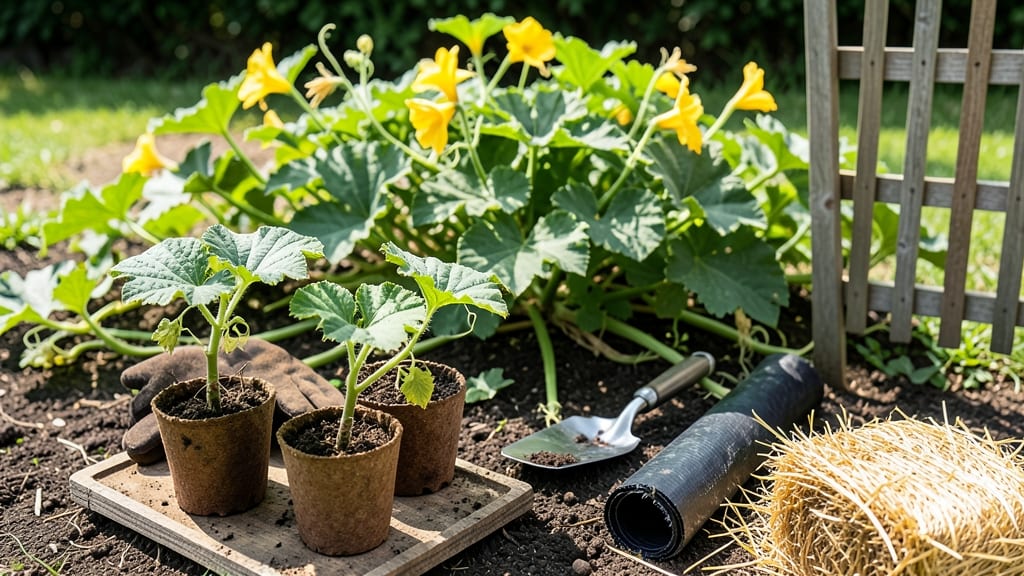
Planting pumpkins in Ohio isn't just about tossing seeds into the dirt—it's about timing them perfectly to beat the unpredictable spring frosts that can ruin your harvest before it even starts.
With USDA Zone 6a weather swinging from icy mornings to scorching afternoons, knowing exactly when to plant your 🎃 seeds can mean the difference between a bumper crop and a sad, wilted vine.
Most gardeners in Ohio wait until after the last frost date (around April 15), but that’s just the starting point. The real secret lies in soil temperature—your pumpkin seeds need the ground to be a steady 60°F or warmer before they’ll sprout reliably.
Skipping this step often leads to slow starts or seeds that simply refuse to germinate, leaving you scratching your head come summer.
Whether you’re a first-time grower or a seasoned pro, this guide will walk you through the ideal planting windows, soil prep tricks, and even which pumpkin varieties handle Ohio’s humidity best.
No more guessing games—just a straightforward roadmap to strong, healthy vines that’ll produce pumpkins fit for carving (or baking). Let’s get those seeds in the ground the right way.
From direct sowing to indoor starts, we’ll cover all the bases so you can avoid common Ohio pitfalls like early bolting or powdery mildew.
By the end, you’ll know not just when to plant, but how to give your pumpkins the best shot at success—because nothing beats the satisfaction of harvesting a pumpkin you grew yourself, right from your Ohio garden.
Ohio pumpkin planting calendar: exact dates by USDA Zone 5-6
Ohio’s USDA Zones 5-6 offer a short but sweet growing season for pumpkins—just 165 frost-free days from mid-April to late October. To maximize your harvest, timing is everything. Plant too early, and cold soil will delay germination.
Plant too late, and your vines won’t mature before the first frost. The sweet spot? After your last frost date (typically mid-May) and when soil temps hit 60°F+.
Most Ohio gardeners choose between direct sowing outdoors or starting seeds indoors 2-3 weeks earlier for a head start. I recommend direct sowing for most varieties—it’s simpler and reduces transplant shock.
But if you’re growing slow-starting varieties like 'Jack Be Little,' indoor starts give them the edge they need in Ohio’s cool springs.
Here’s your Ohio pumpkin planting timeline, broken down by zone and method. Use this as your guide to avoid the common pitfalls of Ohio’s unpredictable spring weather.
Ohio’s last frost dates vary by region—Columbus averages April 15, while Cleveland leans toward May 1. To play it safe, I use the National Weather Service’s frost predictions or local Cooperative Extension offices for real-time updates.
Pro tip: Plant after May 15 in Zone 5 if you’ve had late frosts in past years.
For indoor starts, sow seeds in biodegradable pots 2-3 weeks before your target outdoor date. Use a seedling heat mat to maintain 70-80°F soil temps—this mimics Ohio’s summer conditions and speeds up germination. Harden off seedlings for 7-10 days before transplanting to avoid shock.
If you’re direct sowing, wait until the soil temperature (not air temp) hits 60°F+ for 5 consecutive days. Use a soil thermometer to check—cold soil delays germination and can lead to damping-off disease.
In Ohio, this usually aligns with late May to early June, but don’t rush. Patience here means healthier vines later.
Ohio’s humidity and summer heat can stress pumpkin plants, so aim to have vines established by mid-July. This gives them enough time to spread 10-15 feet and produce fruit before the first frost.
If you’re in Zone 6, you’ve got a little more wiggle room—you can push planting to early June for varieties like 'Cinderella' or 'Autumn Gold.'
Remember: Moon phases matter for some gardeners. Planting during the waxing moon (when the moon is growing) is said to boost root development. For Ohio, this often aligns with late May to early June—perfect for our planting window.
It’s a small detail, but it’s part of the tradition I’ve seen work in my own garden.
Finally, space your hills 4-6 feet apart—pumpkin vines need room to sprawl. In Ohio’s urban gardens, this might mean trellising or growing bush varieties like 'Jack Be Little.'
But if you’ve got space, let those vines stretch out. A well-placed pumpkin patch can double as a living fence and provide shade for other plants.
🎃
5 Signs your Ohio pumpkin seeds are ready to plant (and when to wait)
Ohio’s spring weather can be a rollercoaster—one day warm, the next a surprise frost. Before you rush to plant your pumpkin seeds, check these 5 critical signs that your garden is truly ready. Skipping these cues often leads to stunted vines or rotting seeds, so let’s break down what to watch for. The most reliable indicator is soil temperature. Pumpkin seeds need soil that’s at least 60°F—any cooler, and they’ll sit dormant or rot. Use a soil thermometer (just $10 at garden centers) to confirm. In Ohio’s USDA Zone 5-6, this usually means waiting until mid-to-late May, but rural areas warm up faster than cities.🌱
Another key sign is the last frost date. While Ohio’s average last frost is April 15, don’t plant until 2 weeks after this date—just in case. Check your local Old Farmer’s Almanac or NOAA frost maps for your specific county. For example, Columbus gardeners should aim for May 10-15, while Toledo’s warmer microclimate might allow planting by May 1.🌡️
Moisture balance is often overlooked. Pumpkin seeds need consistently damp soil (not soggy) to germinate. Stick your finger 1 inch deep—if it’s dry, water gently until the top 2 inches are moist. Overwatering can cause seeds to mold before sprouting, so aim for well-draining soil with organic matter like compost.💧
Here’s a quick visual