
Planting
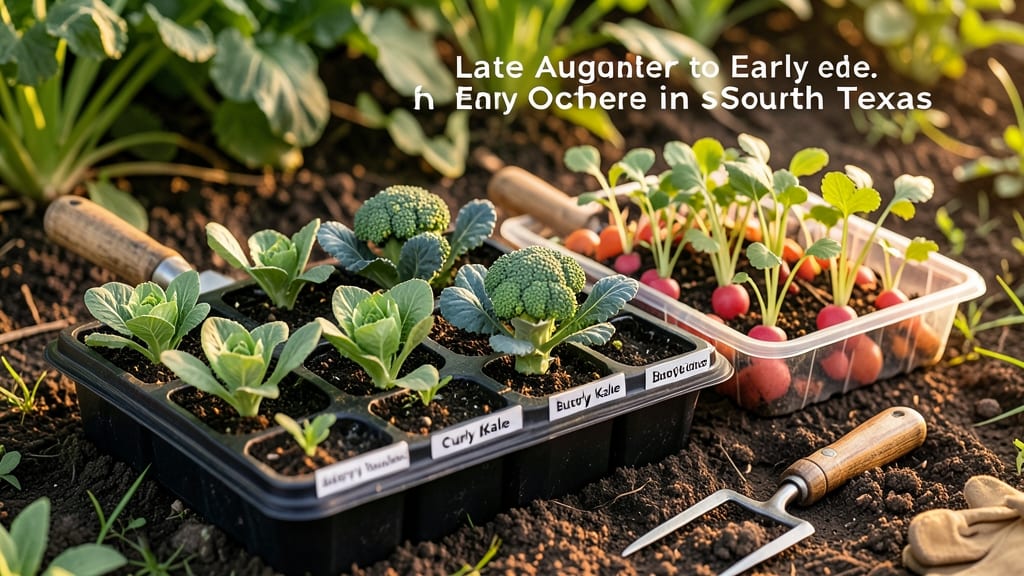
If you've ever stared at your garden bed in late summer wondering when to plant a fall garden in South Texas, you're not alone. The key to success isn't just picking the right seeds - it's understanding how soil temperatures and residual summer heat actually work against you.
Most gardeners make the mistake of following calendar dates instead of soil conditions, which can mean the difference between fast germination and wasted effort. South Texas's unique 9a-10a climate demands a different approach than northern regions, where fall planting is more straightforward.
What you're about to discover are the exact soil temperature triggers that tell you when it's truly safe to plant your 🌱 fall garden vegetables. We'll cover which crops handle our extended heat best and how to time your plantings for maximum harvest potential before the first frost.
Whether you're a beginner or seasoned gardener, these insights will help you avoid common pitfalls and get your fall garden off to a flying start - without the guesswork that leads to disappointment.
South Texas fall planting timeline by soil temperature (not calendar date)
South Texas’ long, brutal summers can trick even experienced gardeners into planting too early—leading to bolted greens and wilted seedlings. Unlike northern climates, your fall garden success hinges on soil temperature, not just the calendar.
In USDA Zones 9a-10a, soil stays warm well into September, demanding heat-tolerant varieties and precise timing.
Most gardeners focus on first frost dates, but South Texas’ microclimates (like Corpus Christi’s coastal warmth vs. San Antonio’s inland heat) create 3-4 week variations in safe planting windows.
For example, Edinburg’s soil cools faster near the Rio Grande, while Laredo’s blackland prairie soils retain heat longer. Soil thermometers are your best tool—aim for 70°F–80°F for most fall crops.
Here’s the critical rule: Direct-sown seeds (like carrots or radishes) need 60°F–70°F soil to germinate, while transplants (such as kale or broccoli) thrive in 55°F–65°F. Planting too early when soil is still above 85°F stresses seedlings, while waiting too long risks shortened harvests before frost.
🌱 Did You Know? South Texas’ first frost typically hits December 15, but microclimates can delay it until January 15 in sheltered areas. Use this summary table to align your planting with soil temps, not just dates.
For coastal areas (e.g., Corpus Christi), soil cools 2–3 weeks earlier than inland zones like San Antonio. Use shade cloth to protect seedlings if daytime temps exceed 95°F—even in September. Succession planting every 2 weeks after your initial sowing ensures a continuous harvest through December.
Pro tip: Test your soil at 10 AM when temps are stable. If it’s above 80°F, wait 1–2 weeks or use row covers to cool the soil. Organic mulch (like straw) helps regulate temperature and retains moisture—critical in South Texas’ dry falls.
Bolting (premature flowering) is the #1 fall garden killer in South Texas. Leafy greens like spinach and arugula bolt when days get too long (even in fall).
To prevent this, choose heat-tolerant varieties like ‘Florida Broadleaf’ spinach or ‘Black Seeded Simpson’ lettuce, and plant shade cloth over seedlings if temps spike.
Remember: South Texas’ fall garden isn’t about cool weather—it’s about transitioning from heat. The sweet spot is late August to mid-September, when soil temps drop but humidity remains high.
Plan for 6–8 weeks of growth before the first frost, and you’ll enjoy homegrown harvests through the holidays.
Start with fast germinators like radishes (ready in 25 days) to test your soil’s readiness. If they sprout within 5–7 days, your soil is perfect for broccoli and kale. If germination takes 10+ days, wait another week—your soil is still too warm.
🌿 Key Takeaway: Soil temperature > calendar date in South Texas
Heat-resistant fall crops that thrive in South Texas' extended heat (and when to start them)
South Texas' lingering summer heat can scorch delicate fall crops, but some varieties are built to handle 90°F+ soil temperatures and still produce bountiful harvests. These heat-resistant crops are your secret weapon for extending your growing season through December—or until that first frost arrives.
Unlike traditional cool-season crops, these plants thrive when soil temps stay above 75°F and air temps hover around 85-95°F. That means you can start planting as early as mid-August in most areas, giving you a head start on cooler regions.
The key? Succession planting every 2-3 weeks to keep harvests coming.
Here are the top 8 heat-tolerant crops ranked by their ability to handle South Texas' stubborn summer heat, along with their ideal planting windows and care tips to maximize yields.
For okra and Malabar spinach, which top the heat tolerance chart, I recommend starting seeds or transplants as early as late July in areas with consistent afternoon shade. These plants can handle full sun once temps drop below 95°F, but they'll appreciate some relief during peak heat.
If you're growing sweet potatoes or yam beans, focus on planting between mid-August and early September. These crops need slightly cooler soil to establish roots before the real fall chill sets in. For cherry tomatoes, opt for heat-resistant varieties like 'S