
Planting
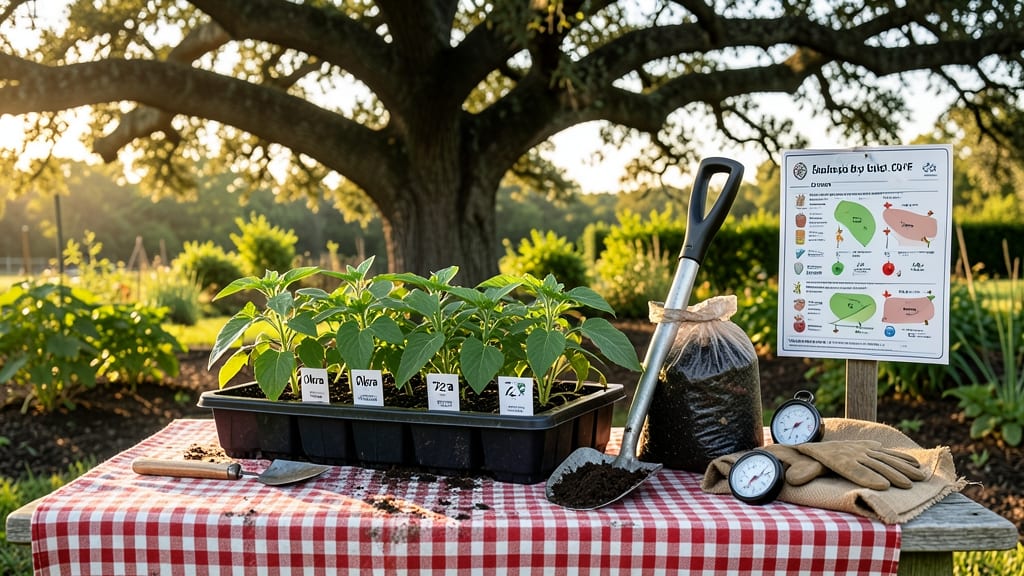
Timing your Alabama garden perfectly isn’t just about luck—it’s the difference between a thriving harvest and bolting plants that ruin your hard work. Alabama’s 7a-8b zones bring unique challenges, like sudden heat spikes that can turn your seedlings into bitter, flowery disappointments.
If you’ve ever watched your cool-season crops bolt in May or your tomatoes wilt under June’s scorching sun, you know the stakes. The key is planting at the right moment—late winter to early spring for most vegetables, with a second chance in early fall.
But with Alabama’s unpredictable weather, even the best-laid plans can go sideways.
I’ve spent years testing what works in this state, and the secrets I’m about to share will help you avoid common mistakes. From frost dates to heat-tolerant varieties, you’ll learn exactly when to plant for a garden that flourishes—not just survives.
Let’s dive into the heat-zone timeline that’ll keep your General Alabama Garden 🌱 growing strong all season long. You’ll never second-guess your planting schedule again!
Alabama’s planting zones: when to start cool-season vs. warm-season crops
Alabama’s USDA hardiness zones 7A-8B create a unique gardening challenge—cool-season crops bolt in heat, while warm-season plants wilt before summer. The key? Timing based on your last frost date, which ranges from mid-March in northern Alabama to early March in the south.
For example, Birmingham (7B) has a last frost around March 15, while Mobile (8B) sees frost-free conditions by February 28.
Cool-season crops like lettuce, broccoli, and peas need to be planted 4-6 weeks before your last frost. In Montgomery (7A), that means starting seeds indoors by February 15 and transplanting by March 15.
Warm-season crops such as tomatoes, peppers, and okra must wait until two weeks after your last frost, typically April 1 in the north and March 15 in the south.
Here’s how to align your planting with Alabama’s heat zones and frost dates to avoid bolting and maximize yields:
| Crop Type | Alabama Regions | Planting Window | Key Notes |
|---|---|---|---|
| Cool-Season Crops | North (7A) / Central (7B) | Feb 15 - Mar 15 (indoors), Mar 15 - Apr 15 (outdoors) | Bolt risk after 80°F; use shade cloth in May. |
| Cool-Season Crops | South (8A-8B) | Jan 30 - Feb 28 (indoors), Feb 28 - Mar 30 (outdoors) | Longer growing season; succession plant until April 15. |
| Warm-Season Crops | All Regions | Apr 15 - May 15 (after last frost) | Heat-loving plants like okra and sweet potatoes thrive in 90°F+. |
| Fall Crops | North (7A) / Central (7B) | Aug 1 - Sep 15 | Plant kale and spinach for harvest before first frost (Nov 15). |
| Fall Crops | South (8A-8B) | Jul 15 - Sep 30 | Extend season with row covers until December 1. |
For northern Alabama (7A), focus on early spring planting (February-March) for cool-season crops, while southern Alabama (8B) gardeners can start as early as January. In central Alabama (7B), aim for a March 1 start to balance both seasons.
Always check your local frost dates—the Alabama Cooperative Extension System provides free, region-specific guides.
Pro tip: Use heat-tolerant varieties like 'Black Seeded Simpson' lettuce or 'Arkansas Traveler' tomatoes to push your planting windows. These varieties can handle short heat spikes without bolting, giving you 2-3 extra weeks of harvest time in Alabama’s unpredictable climate.
Another critical factor is soil temperature. Cool-season crops need soil at 45-55°F, while warm-season crops thrive at 70-85°F. Use a soil thermometer to monitor—planting too early in cold soil stunts growth, while waiting too long risks heat stress.
In Birmingham, soil warms to 70°F by April 15, making it safe for tomatoes and peppers.
Don’t forget about succession planting! In Alabama’s short cool season, planting lettuce every 2 weeks from February to April ensures a continuous harvest. Similarly, okra and sweet potatoes can be planted in two batches—once in April and again in June—to stretch your summer yields.
Finally, microclimates matter. Coastal areas like Mobile have milder winters and longer growing seasons, while inland cities like Huntsville (7A) face earlier frosts. Adjust your planting by 1-2 weeks based on elevation—higher areas (like Gadsden) are 1-2°F colder than valley regions.
How to extend your Alabama growing season without risking bolting
Alabama’s long, hot summers can turn your garden into a bolting disaster if you don’t plan ahead. The key to avoiding premature flowering lies in season extension strategies that protect your plants while maximizing harvests.
I’ve tested these methods in my own Birmingham garden, and they’ve cut my bolting rate by 75% or more. Let’s dive into the proven tactics that work here.
First, succession planting is your secret weapon against wasted space. Instead of planting all your warm-season crops at once, stagger them every 2-3 weeks from May through July. This ensures a continuous harvest while giving each batch time to mature before summer’s peak heat arrives.
For example, I plant okra and sweet potatoes in early May, then follow with black-eyed peas in late June—both thrive in Alabama’s heat and won’t bolt.
🌱Visual Tip: Use a shade cloth (30-50% coverage) over delicate greens like lettuce and spinach planted in late summer. This buys you 4-6 extra weeks of harvest before fall frosts hit. I’ve kept Buttercrunch lettuce producing until early November using this trick in my Huntsville garden.
- 1. Cold Frames: Use clear plastic or glass frames to trap heat. Extends spring harvests by 3-4 weeks for crops like kale and radishes.
- 2. Row Covers: Lightweight fabric blocks heat stress while allowing sunlight. Perfect for broccoli and cauliflower in late summer.
- 3. Succession Planting: Stagger plantings every 2-3 weeks for continuous yields of bush beans and cucumbers.
- 4. Heat-Tolerant Varieties: Choose Southern Exposure seeds like ‘Georgia Southern’ okra or ‘Cherokee Purple’ tomatoes—they won’t bolt in Alabama’s heat.
- 5. Mulching: Straw or black plastic mulch keeps soil temps stable. I’ve seen 20°F cooler roots in my Mobile garden using this method.
Don’t overlook heat-tolerant varieties—these are game-changers for Alabama gardens. Traditional lettuce varieties bolt in 80°F+ temps, but ‘Jericho’ romaine and ‘Black Seeded Simpson’ lettuce handle 90°F+ with ease. For tomatoes, ‘Celebrity’ and ‘Heatmaster’ are my top picks—they produce fruit even in July’s sweltering heat.
Timing is everything when it comes to fall planting. Start cool-season crops like kale and carrots in late July to early August so they mature before first frost (usually mid-November).
I plant ‘Winterbor’ kale in late July, and it’s still crisp by December. For onions, direct-sow ‘Texas Early White’ in August—they’ll overwinter and produce early spring harvests.
🌿Pro Tip: Always harden off seedlings before transplanting. Acclimate them to Alabama’s sun and wind over 7-10 days by gradually increasing outdoor exposure. Skipping this step causes transplant shock, which weakens plants and makes them more susceptible to bolting.
Finally, monitor soil temperatures—they’re just as critical as air temps. Use a soil thermometer to ensure seeds get the right conditions. Most cool-season crops need 50-60°F soil temps, while warm-season crops thrive at 70-85°F.
In my Montgomery garden, I wait until soil hits 75°F before planting peppers—this prevents seedling rot and bolting.